
Fear of elderly people (gerontophobia)
En español: lee sobre este miedo en Fobias.org.
Gerontophobia is a fear of elderly people. It might show up as discomfort visiting care homes, unease around older relatives, or avoiding places where older people gather. Often the fear is tied to what old age represents, such as illness, frailty or loss.
Many people find that with the right help, visiting older relatives or a care home feels comfortable and they can enjoy the time together.
Use code PHOBIA at checkout for half price: £24.50 instead of £49. Outside the UK? $29.50.
About this phobia
The name comes from the Greek geron, meaning old man. The word is also used for prejudice against older people, which is a separate idea from fear, while the fear of growing old yourself is usually called gerascophobia. As a fear, it is not well documented clinically.
How it shows up
Gerontophobia is different from impatience with slow queues or older drivers. People with this fear may feel a genuine jolt of anxiety when visiting a grandparent, sitting near a frail passenger on a bus or walking into a care home. The feeling often has more to do with what later life stands for, such as illness, memory loss and death, than with the person in front of them. Many feel guilty about it, especially when the older person is someone they love.
Common triggers
- Visible frailty or illness
- Signs of memory loss or confusion
- Hospital or care home smells
- Talk of death or funerals
- Wrinkles and grey hair, including your own
- Being asked to help with personal care
Where it shows up
- Care homes and hospitals
- Visits to older relatives
- GP surgeries and pharmacies
- Day centres and community halls
- Family gatherings at Christmas and other holidays
Symptoms
In your body
- Tight chest
- Sweaty palms
- Feeling faint or light-headed
- Urge to leave quickly
In your mind
- Thoughts about your own ageing
- Fear of illness or death
- Guilt and shame about the reaction
What you might do
- Putting off visits to older relatives
- Keeping conversations short
- Avoiding jobs or places with older people
- Hiding signs of ageing in yourself
What may cause it
As a fear rather than a prejudice, gerontophobia has hardly been studied. Writers on the fear of ageing suggest it is often a fear of the unknown and of loss, made sharper by a culture that prizes youth. A distressing memory, such as seeing a grandparent very unwell, can also leave a lasting mark. Avoiding older people then removes the chance to see the warmth and ordinary everyday life that later years can hold.
How it can affect your life
This fear can strain family bonds and leave people feeling they have let loved ones down. It may limit career choices in health, care or community work. It can also deepen worries about your own future.
Related fears
- Fear of ageing (gerascophobia)
- Fear of death (thanatophobia)
- Fear of illness (nosophobia)
- Fear of hospitals (nosocomephobia)
Things that can help day to day
- Start with short, planned visits and a clear time to leave
- Ask an older relative about their life story to see the person, not the age
- Notice thoughts that link old age only with illness and look for other examples
- Talk openly with family about how you feel
When to get help
If the fear stops you seeing family or is tied to worries about illness and death, speak to your GP. If it links to past mistreatment by an older person, a GP or specialist counsellor can help.
Explore more unusual fears in the rare phobias A to Z, or browse the common phobias.
About me
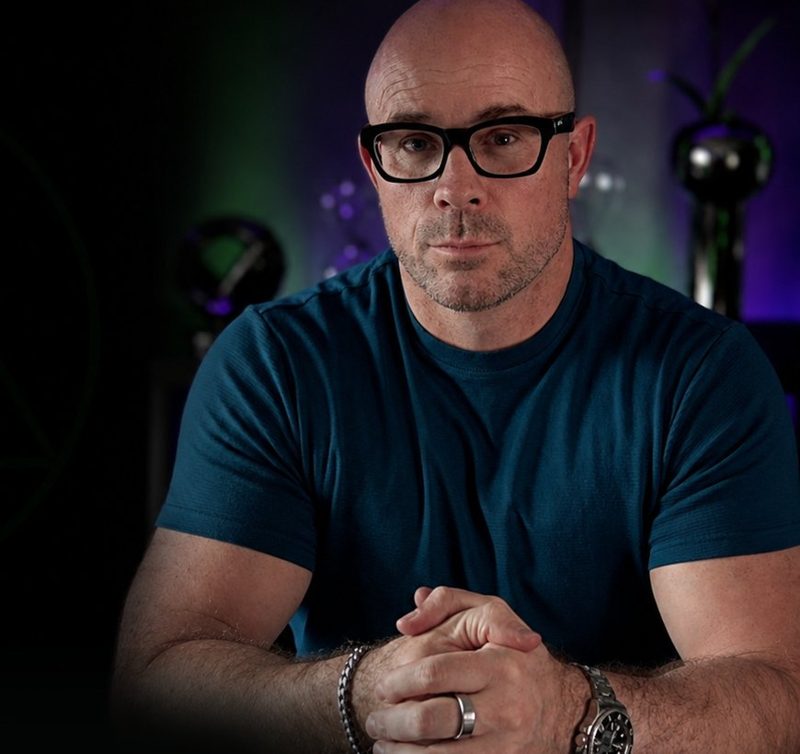
If you’ve tried to talk yourself out of this fear and it hasn’t worked, that isn’t a lack of willpower. A phobia is an alarm your mind learned, and logic alone rarely switches it off.
When a fear is less common, it can be harder to explain, so you may not have told many people about it. I work one to one over Zoom with people whose fears are holding them back, including rarer ones like this, and every plan starts with understanding what your fear is really about.
I’ve spent 17 years in clinical practice and helped more than 1,000 people with phobias. I hold a Postgraduate Certificate and a Postgraduate Diploma in Clinical Hypnotherapy, both with Distinction, and journalists and clients call me the Phobia Guru.
Common questions
Is gerontophobia the same as ageism?
Not quite. The word is used both for a fear of older people and for prejudice against them, and the two are easily confused. If the fear is linked to difficult experiences with an older person in the past, a GP or specialist counsellor can help you talk this through gently.
How can you help?
I use hypnotherapy and NLP to change how your mind responds to the thing you fear, so the old alarm stops going off. Sessions are one to one over Zoom, and you get a recording of the hypnosis to listen to afterwards.
How many sessions will I need?
Many clients notice a real difference after one 90 minute session. If the fear goes back a long way, three sessions gives us room to make the change stick.
Further reading: Gerascophobia, Wikipedia · Fear of ageing is really a fear of the unknown, University of Liverpool
Ready to start?
A short call is the simplest next step. We’ll talk about your fear, what you’d like to feel instead, and whether I’m the right person to help.
- Take the free test at the top of this page to see how strong your fear is.
- Book a 30 minute call. Use code PHOBIA at checkout for half price: £24.50 instead of £49 ($29.50 outside the UK).
- Start your sessions over Zoom from wherever you live, or face to face in Hertfordshire.
See all session options and prices