
Fear of electricity (electrophobia)
En español: lee sobre este miedo en Fobias.org.
Electrophobia is a fear of electricity. Plugging in appliances, changing a light bulb or being near pylons and cables can feel risky, and some people avoid DIY or electrical tasks altogether.
Many people find that with the right help, plugging in, changing a bulb or walking past pylons becomes ordinary again.
Use code PHOBIA at checkout for half price: £24.50 instead of £49. Outside the UK? $29.50.
About this phobia
The word draws on electricity, which itself comes from the Greek elektron, meaning amber. It is a rare term found mostly on lists. It often follows an electric shock or a frightening story, and it can overlap with fears of fire or of storms.
How it shows up
A healthy respect for electricity keeps people safe, but electrophobia goes much further. Simple tasks like plugging in a kettle, charging a phone or flicking a switch can bring a jolt of fear, and some people avoid anything electrical they can. The hum of pylons, a buzzing socket or the sight of loose wires can feel threatening. The fear often stays strong even in a modern home where the everyday risk is very low.
Common triggers
- Plugging in appliances
- Light switches and sockets
- Pylons and power lines
- Sparks or crackling sounds
- Static shocks
- Storms and power cuts
- Charging phones and laptops overnight
Where it shows up
- Kitchens and bathrooms
- Workplaces with electrical equipment
- Walks near pylons
- DIY shops
- Building sites
- Electric car charging points
Symptoms
In your body
- Racing heart
- Tingling in the hands
- Sweating
- Tense muscles
- Jumping at clicks or buzzing
In your mind
- Fear of getting a shock
- Fear of fire
- Doubting safety checks
- Imagining accidents
What you might do
- Avoiding switches and sockets
- Asking others to handle appliances
- Avoiding DIY
- Unplugging everything at night
What may cause it
An electric shock, even a mild one, or a frightening story about an electrical fire can start the fear. Electricity cannot be seen, which can make it feel more unpredictable than it really is in a well maintained home. Avoiding switches and appliances brings short term relief, but it means the person never builds up experience of using them safely. There is little clinical writing on electrophobia.
How it can affect your life
It can make household tasks hard and leave people relying on others. Some feel anxious at home or at work around equipment. Living alone can be especially difficult when there is no one to plug things in or reset a tripped switch.
Related fears
- Fear of fire (pyrophobia)
- Fear of thunder and lightning (astraphobia)
- Fear of accidents (dystychiphobia)
Things that can help day to day
- Leave any electrical work to a qualified electrician
- Ask an electrician to check your home so you know it is safe
- Practise using one familiar appliance calmly, then add another
- Learn simple facts about how household safety features protect you
When to get help
If the fear stops you using everyday appliances, or follows a shock that still troubles you, speak to your GP. A therapist can help you feel calmer around electricity, while a qualified electrician can deal with any real safety concerns.
Explore more unusual fears in the rare phobias A to Z, or browse the common phobias.
About me
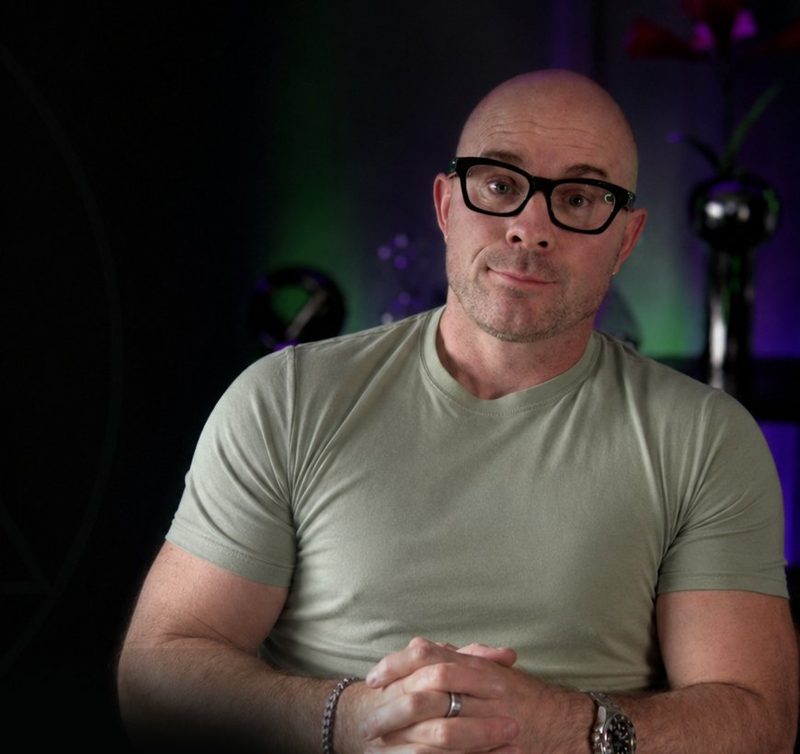
If you’ve tried to talk yourself out of this fear and it hasn’t worked, that isn’t a lack of willpower. A phobia is an alarm your mind learned, and logic alone rarely switches it off.
When a fear is less common, it can be harder to explain, so you may not have told many people about it. I work one to one over Zoom with people whose fears are holding them back, including rarer ones like this, and every plan starts with understanding what your fear is really about.
I’ve spent 17 years in clinical practice and helped more than 1,000 people with phobias. I hold a Postgraduate Certificate and a Postgraduate Diploma in Clinical Hypnotherapy, both with Distinction, and journalists and clients call me the Phobia Guru.
Common questions
Is a fear of electricity sensible?
Some caution around electricity is healthy and keeps people safe. A phobia goes beyond that, causing fear around ordinary, safe tasks like plugging in a kettle. If you have real concerns about wiring, a qualified electrician can check it.
How can you help?
I use hypnotherapy and NLP to change how your mind responds to the thing you fear, so the old alarm stops going off. Sessions are one to one over Zoom, and you get a recording of the hypnosis to listen to afterwards.
How many sessions will I need?
Many clients notice a real difference after one 90 minute session. If the fear goes back a long way, three sessions gives us room to make the change stick.
Further reading: Healthline: Astraphobia · NHS: Phobias · Mind: Understanding phobias
Ready to start?
A short call is the simplest next step. We’ll talk about your fear, what you’d like to feel instead, and whether I’m the right person to help.
- Take the free test at the top of this page to see how strong your fear is.
- Book a 30 minute call. Use code PHOBIA at checkout for half price: £24.50 instead of £49 ($29.50 outside the UK).
- Start your sessions over Zoom from wherever you live, or face to face in Hertfordshire.
See all session options and prices