
Fear of empty spaces (kenophobia)
Kenophobia is a fear of voids and empty spaces, such as large bare rooms, vast halls or a dark gap that seems to have no bottom. People who have it may feel uneasy in a near-empty car park at night, an unfurnished house, or anywhere that feels too big and too quiet.
Many people find that with the right help, a big empty room or a vast hall feels calm rather than unsettling.
Use code PHOBIA at checkout for half price: £24.50 instead of £49. Outside the UK? $29.50.
About this phobia
The word comes from the Greek kenos, meaning empty. It is not a formal diagnosis and appears mostly on lists of phobias. It overlaps with better known fears such as agoraphobia, which involves places that feel hard to leave, and with a fear of the dark.
How it shows up
Most people notice that a cleared-out room echoes or feels a little odd, but for someone with this fear the effect is much stronger. Open, bare space can bring a sense of being exposed, small or unprotected, as if there is nothing to hold on to. Some describe the room seeming to stretch away from them. Unlike a passing eerie moment, the unease can build quickly and lead them to leave, switch on every light, or steer clear of such spaces in future.
Common triggers
- Walking into a room with no furniture
- High ceilings and echoing halls
- Wide, empty car parks or squares
- Dark openings with no visible end
- Moving out of or into a home
- Very quiet buildings after hours
Where it shows up
- Unfurnished flats and new builds
- Sports halls and warehouses
- Churches, museums or offices when empty
- Late night stations or car parks
- Open countryside under a big sky
Symptoms
In your body
- Dizziness or feeling unsteady
- Racing heart
- Tight throat or chest
- Cold sweats
In your mind
- Feeling small or exposed
- Sense that something is missing or wrong
- Urge to find a wall or corner
What you might do
- Staying close to walls or doorways
- Filling spaces with noise or light
- Leaving quickly or not going in
- Asking someone to come along
What may cause it
Little has been written about kenophobia itself, so it helps to look at the fears it sits beside. Some people rely heavily on nearby walls and objects to feel steady, and wide open space can leave them feeling off balance. Others link empty rooms with an upsetting time, such as a move or a loss, and a fear of the dark or of not knowing what is there can add to it. Avoiding these places brings short relief but tends to shrink the range of spaces that feel safe.
How it can affect your life
The fear can make house moves, viewings or starting in a new, half-empty office feel very hard. Some people keep their homes heavily furnished or avoid going out late, when public spaces are at their emptiest.
Related fears
- Fear of places that feel hard to leave (agoraphobia)
- Fear of the dark (nyctophobia)
- Fear of being alone (monophobia)
Things that can help day to day
- Add something familiar to a bare room, such as music or a lamp
- Practise standing in the largest room at home for a few minutes
- Feel your feet on the floor and slow your breathing when a room seems to stretch
- Choose well-lit, staffed places rather than empty ones at night
When to get help
If dizziness or unsteadiness happens often, see a GP to rule out a balance or ear problem. If the fear is getting in the way of moving home, work or going out, a therapist experienced with phobias can help.
Explore more unusual fears in the rare phobias A to Z, or browse the common phobias.
About me
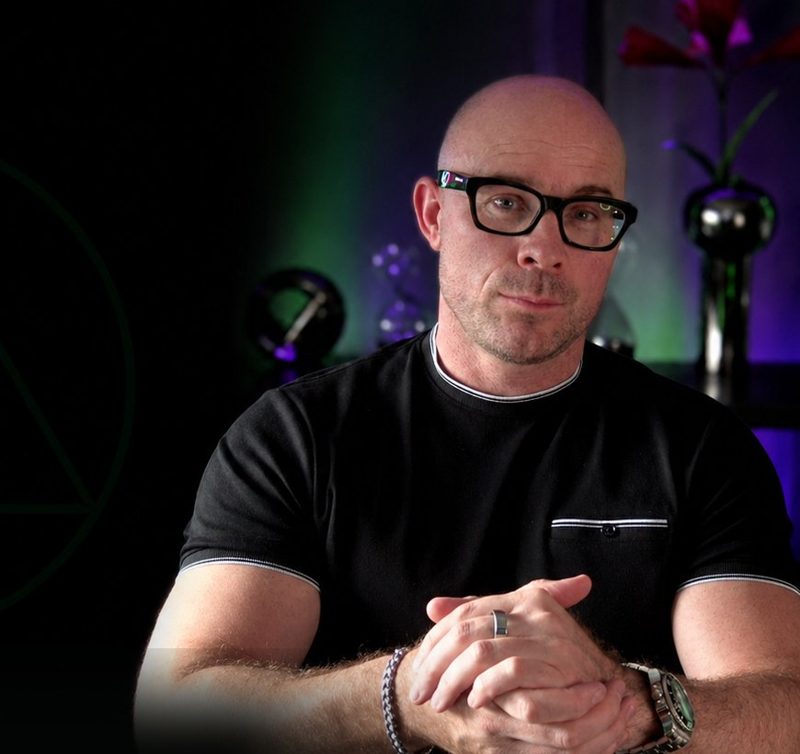
If you’ve tried to talk yourself out of this fear and it hasn’t worked, that isn’t a lack of willpower. A phobia is an alarm your mind learned, and logic alone rarely switches it off.
When a fear is less common, it can be harder to explain, so you may not have told many people about it. I work one to one over Zoom with people whose fears are holding them back, including rarer ones like this, and every plan starts with understanding what your fear is really about.
I’ve spent 17 years in clinical practice and helped more than 1,000 people with phobias. I hold a Postgraduate Certificate and a Postgraduate Diploma in Clinical Hypnotherapy, both with Distinction, and journalists and clients call me the Phobia Guru.
Common questions
Is kenophobia the same as agoraphobia?
Not quite. Agoraphobia centres on worry about being in places where escape or help might be hard to reach, whereas kenophobia is described as a fear of emptiness itself. The two can overlap, and some people notice a bit of both.
How can you help?
I use hypnotherapy and NLP to change how your mind responds to the thing you fear, so the old alarm stops going off. Sessions are one to one over Zoom, and you get a recording of the hypnosis to listen to afterwards.
How many sessions will I need?
Many clients notice a real difference after one 90 minute session. If the fear goes back a long way, three sessions gives us room to make the change stick.
Further reading: What Is the Fear of Empty Spaces (Kenophobia)? (Science Insights)
Ready to start?
A short call is the simplest next step. We’ll talk about your fear, what you’d like to feel instead, and whether I’m the right person to help.
- Take the free test at the top of this page to see how strong your fear is.
- Book a 30 minute call. Use code PHOBIA at checkout for half price: £24.50 instead of £49 ($29.50 outside the UK).
- Start your sessions over Zoom from wherever you live, or face to face in Hertfordshire.
See all session options and prices