
Fear of everything (panphobia)
Rather than one clear trigger such as spiders or heights, panphobia describes a vague, constant fear that does not attach to anything in particular. A person may feel on edge most of the day, as though something bad could happen at any moment. Because ongoing anxiety like this can wear you down, it is worth talking to a GP about how you have been feeling.
Many people find that with the right help, the constant background fear quietens and everyday life feels safer.
Use code PHOBIA at checkout for half price: £24.50 instead of £49. Outside the UK? $29.50.
About this phobia
The term joins the Greek pan, meaning all, with phobia. It is not a clinical diagnosis and is mainly found on lists of phobias or in older writing. What it describes is often closer to generalised anxiety, where worry spreads across many areas of life rather than one specific trigger.
How it shows up
People who describe panphobia often say the fear has no edges. Instead of a sharp moment of panic around one thing, there is a low hum of dread that drifts from health to money to family to the news, and settles on whatever is nearest. Ordinary worry rises and falls with events, whereas this kind of fear tends to stay even on calm days when nothing is wrong. Many people find it hard to explain, because when asked what they are scared of, the honest answer is everything and nothing.
Common triggers
- Unexpected phone calls or messages
- Changes to plans or routine
- Body sensations such as a racing heart
- Situations with no clear outcome
- Tiredness or poor sleep
- Busy, noisy or crowded places
Where it shows up
- First thing in the morning
- Lying awake at night
- Before travel or appointments
- While watching or scrolling the news
- Quiet moments with nothing to focus on
Symptoms
In your body
- Tight muscles, often in the neck and shoulders
- Feeling restless or keyed up
- Tiredness that sleep does not fix
- Upset stomach
- Fast or pounding heartbeat
In your mind
- A sense that something bad is about to happen
- Trouble concentrating
- Jumping from one worry to the next
- Feeling irritable or on a short fuse
What you might do
- Seeking reassurance from others
- Over-planning to feel in control
- Putting off decisions
- Avoiding anything new or unfamiliar
What may cause it
Because panphobia is not a recognised diagnosis, there is no research on it as a separate fear. What it describes is closer to generalised anxiety, which is thought to come from a mix of temperament, stressful life events and long periods of strain. Once the body gets used to being on alert, it tends to spot danger everywhere, and constant checking or reassurance seeking can keep that alarm switched on. Difficult experiences earlier in life may also leave some people more tuned in to threat.
How it can affect your life
A fear that attaches to everything can be exhausting, because there is never a moment that feels fully safe. Work, sleep, relationships and even small choices can feel harder, and some people slowly shrink their lives to avoid anything uncertain.
Related fears
- Generalised anxiety disorder
- Health anxiety (hypochondria)
- Fear of fear itself (phobophobia)
Things that can help day to day
- Write worries down and look at them during a short, set worry time each day
- Slow your breathing, letting the out-breath last longer than the in-breath
- Keep a steady routine for sleep, meals and gentle exercise
- Cut back on caffeine and late night news
When to get help
If the fear has been around for a few weeks, is affecting your sleep or work, or you feel low as well as anxious, speak to your GP. In England you can also refer yourself to NHS talking therapies.
Explore more unusual fears in the rare phobias A to Z, or browse the common phobias.
About me
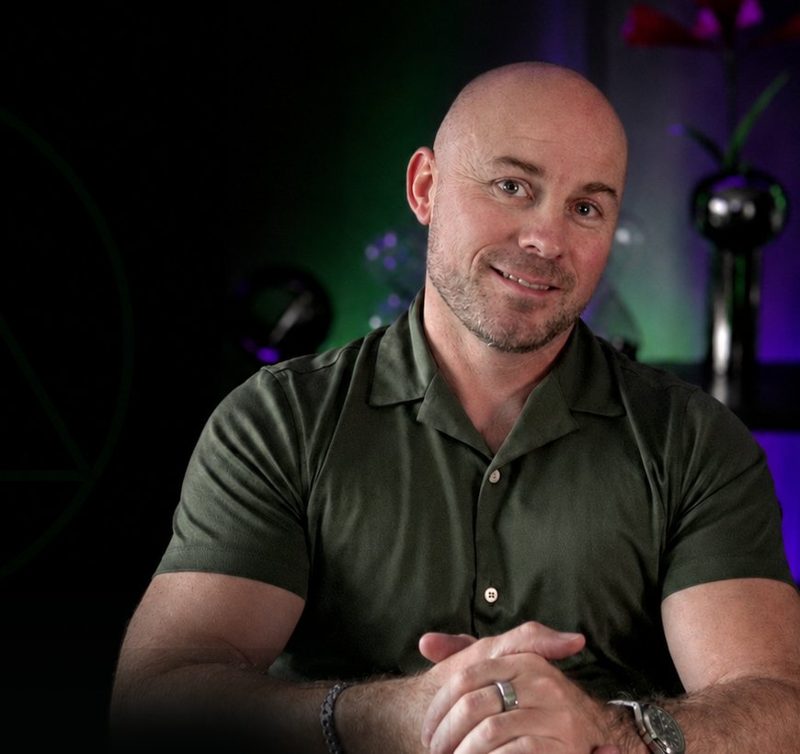
If you’ve tried to talk yourself out of this fear and it hasn’t worked, that isn’t a lack of willpower. A phobia is an alarm your mind learned, and logic alone rarely switches it off.
When a fear is less common, it can be harder to explain, so you may not have told many people about it. I work one to one over Zoom with people whose fears are holding them back, including rarer ones like this, and every plan starts with understanding what your fear is really about.
I’ve spent 17 years in clinical practice and helped more than 1,000 people with phobias. I hold a Postgraduate Certificate and a Postgraduate Diploma in Clinical Hypnotherapy, both with Distinction, and journalists and clients call me the Phobia Guru.
Common questions
Is panphobia a real condition?
Panphobia is not a recognised diagnosis, but the feeling it describes is very real for those who live with it. Constant, free-floating fear often fits better with generalised anxiety, which a GP can assess. Getting a proper check is a useful first step before choosing any kind of support.
How can you help?
I use hypnotherapy and NLP to change how your mind responds to the thing you fear, so the old alarm stops going off. Sessions are one to one over Zoom, and you get a recording of the hypnosis to listen to afterwards.
How many sessions will I need?
Many clients notice a real difference after one 90 minute session. If the fear goes back a long way, three sessions gives us room to make the change stick.
Further reading: NHS: Generalised anxiety disorder · NHS: Phobias · Mind: About phobias
Ready to start?
A short call is the simplest next step. We’ll talk about your fear, what you’d like to feel instead, and whether I’m the right person to help.
- Take the free test at the top of this page to see how strong your fear is.
- Book a 30 minute call. Use code PHOBIA at checkout for half price: £24.50 instead of £49 ($29.50 outside the UK).
- Start your sessions over Zoom from wherever you live, or face to face in Hertfordshire.
See all session options and prices