
Fear of eye injury (trudoculphobia)
Trudoculphobia is a fear of a sharp object piercing the eye. It might make someone flinch at pencils or umbrellas near their face, struggle with eye drops or contact lenses, or feel faint watching scenes involving eyes on screen.
Many people find that with the right help, pencils, umbrellas and sharp corners stop making them flinch.
Use code PHOBIA at checkout for half price: £24.50 instead of £49. Outside the UK? $29.50.
About this phobia
This term is very obscure and is found on only one list, so it has no clinical history to speak of. The fear itself is much more familiar and is often grouped with fear of eye injury and with fear of sharp, pointed objects, known as aichmophobia. Many people feel some protective squeamishness about their eyes.
How it shows up
Almost everyone blinks or flinches when something comes close to the eye, as the body protects itself automatically. For a person with trudoculphobia that reflex comes with intense fear, and the thought of a sharp point near the eye may cause panic or faintness. Some people cannot watch films with eye scenes or use eye drops, while others feel uneasy walking in crowds full of umbrellas. It goes beyond ordinary squeamishness when it affects eye care, work or daily routines.
Common triggers
- Pencils, pens and sticks near the face
- Umbrella points in crowds
- Eye drops and contact lenses
- Eye tests and examinations
- Film scenes involving eye injury
- Tree branches at head height
Where it shows up
- Opticians and eye clinics
- Busy streets on rainy days
- Classrooms and offices
- Cinemas and screens at home
- Woodland paths
- Sports pitches and courts
Symptoms
In your body
- Flinching and blinking hard
- Feeling faint or dizzy
- Watery eyes
- Racing heart
- Nausea
In your mind
- Vivid images of eye injury
- Worry about losing sight
- Feeling unable to protect the eyes
- Dread before eye appointments
What you might do
- Avoiding eye tests
- Wearing glasses as a shield
- Keeping sharp objects well away
- Looking away from screens
What may cause it
Trudoculphobia is a very obscure term, and there is no research on it as such. Fears of eye injury and of sharp objects are better known, and some people have a faint-like response similar to that seen in blood and injury fears. An eye injury, a frightening film scene or a story heard in childhood can all start it. Avoiding eye care can keep the fear going and leave real eye problems unchecked.
How it can affect your life
The fear can make opticians and eye treatment very hard, and some people put off care they need. It may also make crowds, sports and certain films or programmes difficult to face. Some contact lens wearers switch back to glasses, and some people avoid jobs or hobbies that involve anything near the face.
Related fears
- Fear of sharp objects (aichmophobia)
- Fear of eyes (ommetaphobia)
- Fear of blood (haemophobia)
- Fear of injury (traumatophobia)
Things that can help day to day
- Tell your optician about the fear before any test
- Ask for each step to be explained before it happens
- Use slow breathing to ease the faint feeling
- Choose what you watch and skip scenes if needed
When to get help
Any eye pain, injury or change in vision needs prompt checks from an optician, GP or NHS 111. If the fear is stopping you getting eye care, a GP or therapist can help.
Explore more unusual fears in the rare phobias A to Z, or browse the common phobias.
About me
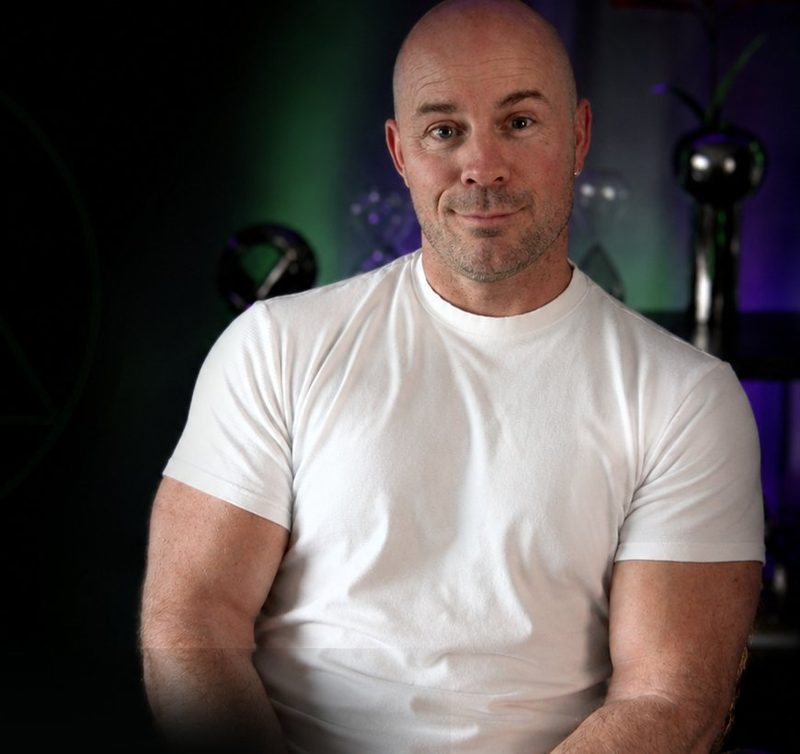
If you’ve tried to talk yourself out of this fear and it hasn’t worked, that isn’t a lack of willpower. A phobia is an alarm your mind learned, and logic alone rarely switches it off.
When a fear is less common, it can be harder to explain, so you may not have told many people about it. I work one to one over Zoom with people whose fears are holding them back, including rarer ones like this, and every plan starts with understanding what your fear is really about.
I’ve spent 17 years in clinical practice and helped more than 1,000 people with phobias. I hold a Postgraduate Certificate and a Postgraduate Diploma in Clinical Hypnotherapy, both with Distinction, and journalists and clients call me the Phobia Guru.
Common questions
Is it normal to be squeamish about things near my eyes?
Yes, the blink reflex and a natural urge to protect the eyes are built in, so some discomfort is very common. It may be a phobia if it stops you having eye tests, wearing lenses you need, or doing everyday tasks. If you have any eye symptoms, an optician or GP can check them.
How can you help?
I use hypnotherapy and NLP to change how your mind responds to the thing you fear, so the old alarm stops going off. Sessions are one to one over Zoom, and you get a recording of the hypnosis to listen to afterwards.
How many sessions will I need?
Many clients notice a real difference after one 90 minute session. If the fear goes back a long way, three sessions gives us room to make the change stick.
Further reading: Cleveland Clinic: Aichmophobia (fear of sharp objects) · NHS: Eye injuries · NHS: Phobias
Ready to start?
A short call is the simplest next step. We’ll talk about your fear, what you’d like to feel instead, and whether I’m the right person to help.
- Take the free test at the top of this page to see how strong your fear is.
- Book a 30 minute call. Use code PHOBIA at checkout for half price: £24.50 instead of £49 ($29.50 outside the UK).
- Start your sessions over Zoom from wherever you live, or face to face in Hertfordshire.
See all session options and prices