
Fear of faeces (coprophobia)
En español: lee sobre este miedo en Fobias.org.
Coprophobia is a fear of faeces, which can include seeing, smelling or coming into contact with poo, your own or anyone else’s. It may lead to avoiding public toilets, nappy changes or cleaning up after pets. Any change in bowel habits or other worrying symptoms should be checked with a GP rather than avoided.
Many people find that with the right help, everyday bathroom moments and changing nappies or diapers feel manageable again.
Use code PHOBIA at checkout for half price: £24.50 instead of £49. Outside the UK? $29.50.
About this phobia
The word comes from the Greek kopros, meaning dung. It is rare as a stand-alone term but links to better documented problems, including toilet anxiety and fears of contamination such as mysophobia. Some people with it also hold back from using the toilet, which can cause discomfort over time.
How it shows up
Coprophobia can be a strong mix of fear and disgust. For some, the sight or smell of faeces brings on panic and gagging, while others are most afraid of germs and illness. It can make basic tasks such as using public toilets, changing nappies or caring for pets very hard. It goes beyond normal distaste because it changes daily routines and can affect health.
Common triggers
- Dirty or shared toilets
- Changing nappies
- Dog mess on pavements
- Cleaning litter trays or cages
- Smells from drains or toilets
- Talk about bowels or toilet habits
- Soiled clothes or bedding
Where it shows up
- Public toilets
- Parks and pavements
- Nurseries and care settings
- Farms and stables
- Hospitals and care homes
- Festivals and campsites with shared toilets
Symptoms
In your body
- Gagging or retching
- Nausea
- Fast heartbeat
- Tense stomach
- Sweating
In your mind
- Fear of germs and illness
- Strong disgust
- Worry about being contaminated
- Dwelling on the risk of infection
What you might do
- Avoiding public toilets
- Refusing caring tasks
- Cleaning hands and surfaces over and over
- Holding on rather than using the toilet
What may cause it
Disgust at faeces is natural and helps protect us from illness, but for some people it becomes much stronger. A bad bout of illness, an accident or harsh toilet training can play a part. Coprophobia is rare as a term, but it links with better understood problems such as contamination fears and toilet anxiety. Avoiding toilets and holding on can cause discomfort, which can then add to the worry.
How it can affect your life
Avoiding public toilets can make outings, travel and work harder to plan. Caring for babies, older relatives or pets can feel very difficult, and regularly holding on can affect bowel health. Parents and carers may feel guilty or ashamed when the fear gets in the way of looking after others.
Related fears
- Fear of germs and dirt (mysophobia)
- Fear of using public toilets (toilet anxiety)
- Fear of vomiting (emetophobia)
- Fear of illness (nosophobia)
Things that can help day to day
- Carry hand gel and tissues so you feel prepared when out
- Plan outings around known clean toilets at first, then widen your range
- Practise using a public toilet for a short visit and notice the anxiety settle
- Try not to hold on for long periods, as this can cause discomfort
When to get help
See your GP about any change in bowel habits, blood in your poo, pain or constipation. If the fear is stopping you using toilets or caring for others, your GP can refer you for support.
Explore more unusual fears in the rare phobias A to Z, or browse the common phobias.
About me
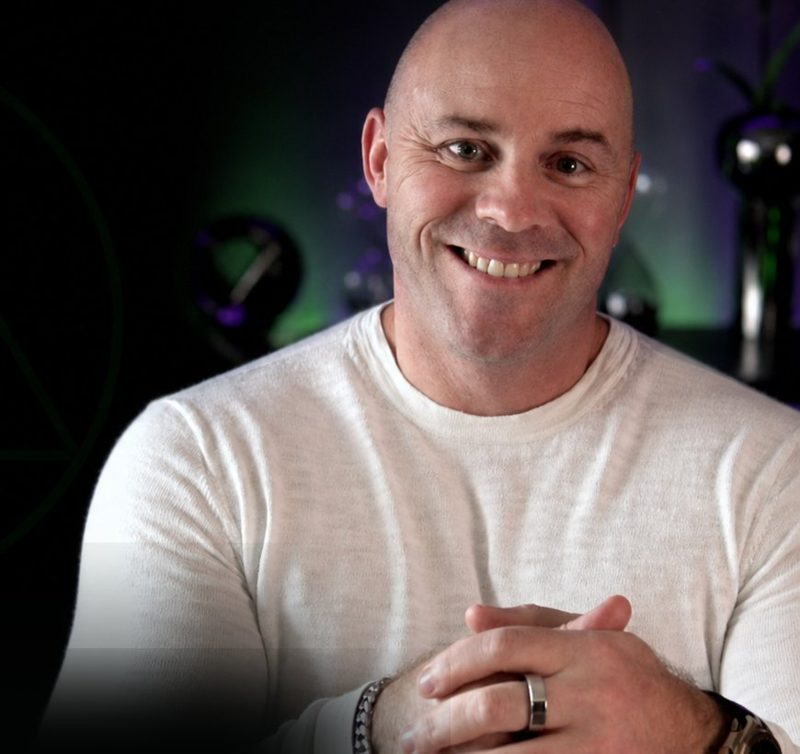
If you’ve tried to talk yourself out of this fear and it hasn’t worked, that isn’t a lack of willpower. A phobia is an alarm your mind learned, and logic alone rarely switches it off.
When a fear is less common, it can be harder to explain, so you may not have told many people about it. I work one to one over Zoom with people whose fears are holding them back, including rarer ones like this, and every plan starts with understanding what your fear is really about.
I’ve spent 17 years in clinical practice and helped more than 1,000 people with phobias. I hold a Postgraduate Certificate and a Postgraduate Diploma in Clinical Hypnotherapy, both with Distinction, and journalists and clients call me the Phobia Guru.
Common questions
Can this fear affect going to the toilet?
It can. Some people delay going or avoid toilets outside the home, which can lead to constipation or discomfort. A GP can help with the physical side, and the fear itself can be worked on too.
How can you help?
I use hypnotherapy and NLP to change how your mind responds to the thing you fear, so the old alarm stops going off. Sessions are one to one over Zoom, and you get a recording of the hypnosis to listen to afterwards.
How many sessions will I need?
Many clients notice a real difference after one 90 minute session. If the fear goes back a long way, three sessions gives us room to make the change stick.
Further reading: Cleveland Clinic: Mysophobia · Cleveland Clinic: Emetophobia · Cleveland Clinic: Nosophobia
Ready to start?
A short call is the simplest next step. We’ll talk about your fear, what you’d like to feel instead, and whether I’m the right person to help.
- Take the free test at the top of this page to see how strong your fear is.
- Book a 30 minute call. Use code PHOBIA at checkout for half price: £24.50 instead of £49 ($29.50 outside the UK).
- Start your sessions over Zoom from wherever you live, or face to face in Hertfordshire.
See all session options and prices