
Fear of failure (atychiphobia)
En español: lee sobre este miedo en Fobias.org.
A fear of failure can stop you starting things, applying for jobs or finishing what you began. It often hides behind perfectionism and putting things off.
Many people find that with the right help, they can start, apply and finish things, and see mistakes as part of learning rather than proof of failure.
Use code PHOBIA at checkout for half price: £24.50 instead of £49. Outside the UK? $29.50.
Understanding this fear
Atychiphobia is an intense fear of failing. Everyone dislikes getting things wrong, but with this fear the thought of failing feels so threatening that people avoid trying in the first place. It can cover exams, job interviews, relationships, sport, creative work, or disappointing the people you care about. Unlike healthy nerves, which fade once a task is done, this fear hangs around and gets in the way of life.
It is not a separate diagnosis but is understood as a type of specific phobia. It often sits alongside perfectionism, low self esteem and procrastination, and research with students has found that fear of failure and putting things off tend to go together. It may start after a public setback, or in a childhood where anything less than perfect felt like failure. It can also link with wider anxiety, social anxiety and low mood.
Common triggers
- Exams, tests and assessments
- Job interviews and appraisals
- Starting a new project or course
- Being watched while you perform
- Feedback or constructive criticism
- Comparing yourself with others online
- Deadlines and targets
- Competitions and sport
Where it shows up
- Offices and team meetings
- Exam halls and classrooms
- Interview rooms
- Sports pitches and gyms
- Stages, presentations and auditions
- Family gatherings where achievements come up
- Dating and new relationships
Symptoms
In your body
- Racing heart before a task
- Fast, shallow breathing
- Tension in the neck and shoulders
- Sweating
- Upset stomach
- Trouble sleeping before big days
In your mind
- If I fail, everyone will see I am not good enough
- It has to be perfect or it is worthless
- Better not to try than to try and fail
- Dread about disappointing others
- Harsh self criticism after small mistakes
What you might do
- Procrastinating until the last minute
- Not applying for jobs or courses
- Leaving projects unfinished
- Overpreparing and checking work again and again
- Avoiding feedback or getting defensive
- Making excuses in advance in case it goes wrong
What causes it
Many people with this fear grew up with very high expectations, harsh criticism or punishment for not doing well, so failing became linked with shame or losing approval. A painful public setback can also leave a lasting mark. Children can pick up the fear from anxious or perfectionist parents, and studies of athletes suggest that controlling coaching styles are linked with a higher fear of failure. Low self esteem makes each possible failure feel like a verdict on you as a person. Avoiding and putting things off brings relief, but can then lead to the very failures the person fears, which keeps the cycle going.
How it can affect your life
This fear can hold back careers, studies and creative goals, because opportunities are turned down or left too late. It can strain relationships, especially if feedback feels like an attack or a fear of the relationship failing leads to pulling away. People often feel stuck, frustrated and ashamed of not living up to their potential. Over time it can feed anxiety, low mood and low self esteem.
Things that can help day to day
- Break big tasks into small, clear first steps and start with just one
- Set a short timer and work on something for only ten minutes
- Notice all or nothing thinking and ask what a good enough result would look like
- Treat mistakes as information and write down what you learned
- Cut back on caffeine before exams or interviews and use slow breathing beforehand
If the fear of failing comes with a feeling that you do not deserve your success, my page on imposter syndrome may feel familiar.
When to get help
It is worth getting help if the fear is stopping you applying for work, finishing courses or trying things you care about, or if you feel anxious or low much of the time. If anxiety or low mood is affecting your daily life, your GP is a good first port of call. In England you can also refer yourself to NHS talking therapies.
How I can help
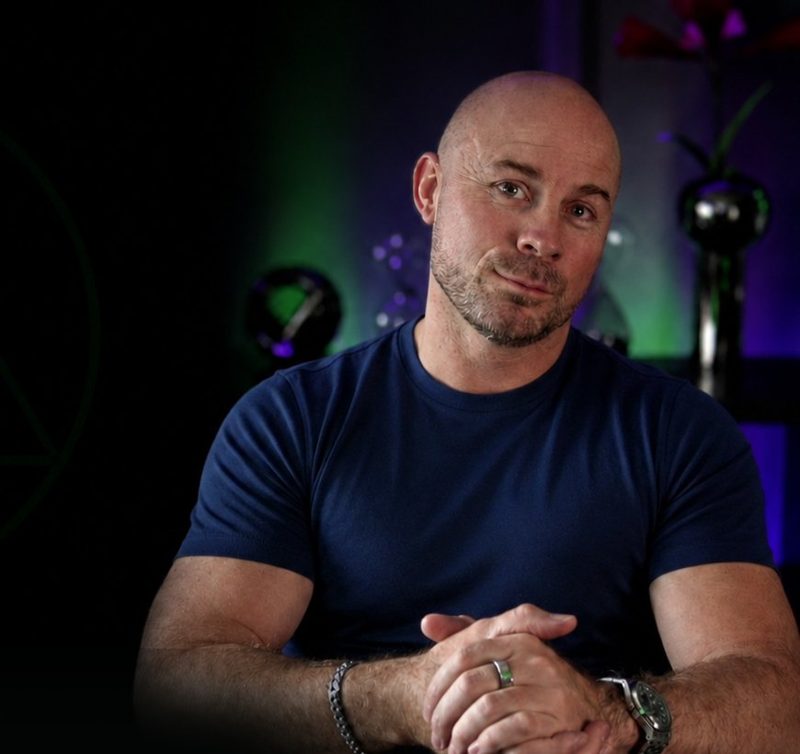
If you’ve tried to talk yourself out of this fear and it hasn’t worked, that isn’t a lack of willpower. A phobia is an alarm your mind learned, and logic alone rarely switches it off.
When I work with a fear of failure, I look at what failing really means to you, because often it is less about the task and more about shame, criticism or a fear of letting someone down. Using hypnotherapy and NLP over Zoom, I help your mind loosen the link between a mistake and your worth as a person. We rehearse starting tasks, handing in work and hearing feedback in your imagination, while you feel calm and steady. Many clients find they start to take action sooner and judge themselves less harshly. You get a recording to listen to before big days.
I’ve spent 17 years in clinical practice and helped more than 1,000 people with phobias. I hold a Postgraduate Certificate and a Postgraduate Diploma in Clinical Hypnotherapy, both with Distinction.
Common questions
Is fear of failure the same as perfectionism?
They are closely linked but not the same. Perfectionism is about striving for flawless results, while fear of failure is about dreading what happens if things go wrong. Many people have both.
Why do I procrastinate on things I care about?
The more something matters, the more it can feel like a test of your worth. Putting it off brings short term relief from that pressure, though it usually makes things harder later.
Can fear of failure affect relationships?
Yes. Some people avoid commitment because they fear the relationship failing, and others find any criticism from a partner very hard to hear. Working on the fear often helps relationships feel safer.
Where does it come from?
Often high expectations growing up, criticism, or a public setback the mind never wants to repeat.
How do sessions work?
I use hypnotherapy and NLP to change how your mind responds to the risk of failing. Sessions are one to one over Zoom, and you get a recording of the hypnosis to listen to afterwards.
How many sessions will I need?
Many clients notice a real difference after one 90 minute session. If the fear goes back a long way, three sessions gives us room to make the change stick.
Further reading: Cleveland Clinic: Atychiphobia · Medical News Today: Fear of failure · Mind: About phobias
Ready to start?
A short call is the simplest next step. We’ll talk about your fear, what you’d like to feel instead, and whether I’m the right person to help.
- Take the free test at the top of this page to see how strong your fear is.
- Book a 30 minute call. Use code PHOBIA at checkout for half price: £24.50 instead of £49 ($29.50 outside the UK).
- Start your sessions over Zoom from wherever you live, or face to face in Hertfordshire.
See all session options and prices