
Fear of fainting (asthenophobia)
En español: lee sobre este miedo en Fobias.org.
A fear of fainting can show up in queues, crowded places, hot rooms or at the sight of blood. You may find yourself avoiding anything that could make you feel faint, and it can be helped.
Many people find that with the right help, they can stand in a queue or a warm room feeling steady, instead of watching for every sign of faintness.
Use code PHOBIA at checkout for half price: £24.50 instead of £49. Outside the UK? $29.50.
Understanding this fear
A fear of fainting is a strong dread of passing out, often in public or somewhere you could not easily get help. Most people would rather not faint. With this fear, the worry becomes so big that you start avoiding queues, crowds, hot rooms or anything that might make you feel light headed. The NHS lists an intense fear of fainting as a common symptom across many phobias.
Anxiety and fainting are linked in confusing ways. Anxiety can make you feel dizzy, hot and shaky, which feels like you are about to faint, yet during a typical panic your heart rate and blood pressure tend to rise, which works against fainting. The exception is blood, injection and injury fears, where a sudden drop in blood pressure can genuinely cause a faint. That is why a fear of fainting often travels with a fear of needles or blood.
Common triggers
- Standing in long queues
- Hot, stuffy or crowded rooms
- The sight of blood or needles
- Getting up too quickly
- Skipping meals or not drinking enough
- Feeling dizzy for any reason
- Hearing others talk about medical procedures
- Being somewhere hard to sit down or leave
Where it shows up
- Supermarkets and checkout queues
- Churches, assemblies and ceremonies
- Crowded trains and buses
- Hospitals, GP surgeries and blood tests
- Concerts and busy events
- Hot classrooms and offices
Symptoms
In your body
- Light headedness or a floaty feeling
- Hot flushes then cold sweats
- Blurred or narrowing vision
- Ringing in the ears
- Nausea
- Weak or jelly legs
- Racing heart or a fluttering feeling
In your mind
- I am going to pass out right here
- Everyone will see and I will be humiliated
- I might hit my head when I go down
- Constant checking of how your body feels
- Dread of being trapped where you cannot sit down
What you might do
- Avoiding queues, crowds or long events
- Always sitting near an exit or a chair
- Carrying water or snacks as safety items
- Avoiding blood tests, injections or the dentist
- Leaving places early at the first sign of dizziness
What causes it
Often the fear starts after fainting once, or nearly fainting, especially somewhere public or embarrassing. Seeing someone else faint, or being told as a child that you were a fainter, can also plant it. For people with blood, injection or injury fears, the body has a genuine faint response, and some research points to a family pattern in this. In other cases, anxiety itself causes dizziness, which the mind reads as a warning that a faint is coming, and that worry brings more dizziness. Avoiding places and relying on safety habits keeps the cycle running, because you never get to learn that the feeling usually passes.
How it can affect your life
This fear can make simple errands like the weekly shop or a bus ride feel risky. Some people avoid church, weddings, concerts or school events, and many put off blood tests, vaccinations or dental care, which can affect their health. It can make work harder if you need to stand, travel or attend meetings. Living with constant body checking is also tiring and can lead to wider anxiety.
Things that can help day to day
- Eat regularly, drink enough water and stand up slowly
- If you feel faint, sit or lie down and raise your legs, as the NHS advises
- Clench your fists or cross and tense your legs to help with a dizzy spell
- Notice the thought I am going to faint and remind yourself how often the feeling passes
- Cut back on caffeine before situations that worry you
When to get help
If you have fainted before, or feel dizzy often, please see your GP first so any physical cause can be checked. The NHS says to call 999 if someone faints and cannot be woken within a minute, has chest pain or an irregular heartbeat, or faints during exercise. Getting help for the fear itself makes sense once any medical cause is ruled out, especially if it is stopping you from having medical care.
How I can help
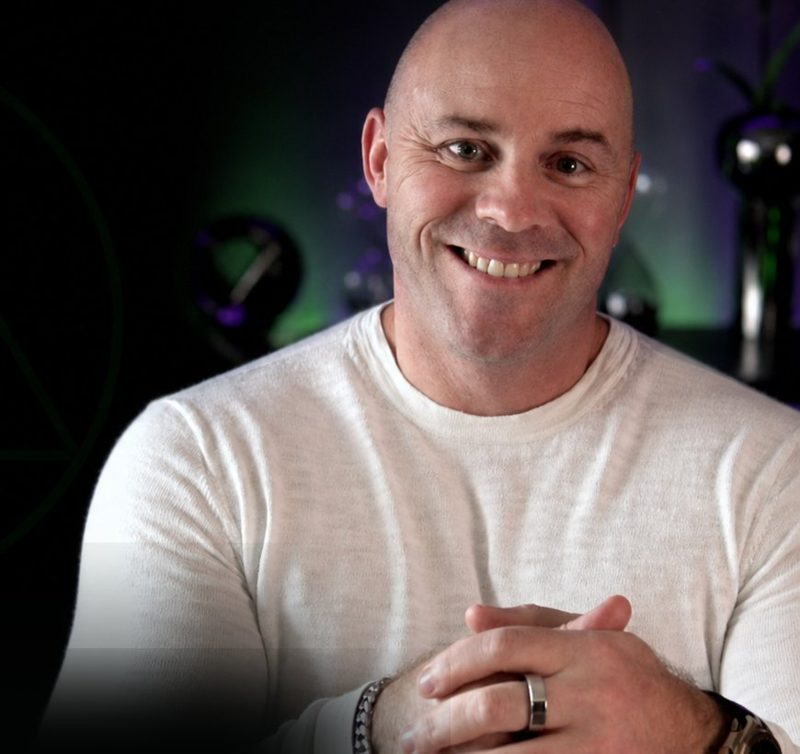
If you’ve tried to talk yourself out of this fear and it hasn’t worked, that isn’t a lack of willpower. A phobia is an alarm your mind learned, and logic alone rarely switches it off.
Once your GP has checked there is nothing physical going on, I work over Zoom to find out what the fear of fainting is really about, which is often the embarrassment or loss of control as much as the faint itself. With hypnotherapy and NLP, we can calm the old memory of a faint or near faint, and help your mind stop treating every dizzy flicker as a disaster. I then help you rehearse standing in a queue, sitting through a ceremony or having a blood test while feeling grounded. Many clients find their body stays much calmer in the places they used to dread.
I’ve spent 17 years in clinical practice and helped more than 1,000 people with phobias. I hold a Postgraduate Certificate and a Postgraduate Diploma in Clinical Hypnotherapy, both with Distinction.
Please note: If you have fainted before, or feel dizzy often, please see your GP first so we know there is nothing physical behind it.
Common questions
Can anxiety make you faint?
Anxiety often makes you feel faint, but actual fainting during ordinary panic is uncommon, because panic tends to raise blood pressure. Blood and needle fears are different, as they can trigger a real drop in blood pressure. If you do faint, see your GP.
Why do I feel faint at the sight of blood?
In blood and injury fears, the body can first speed up and then suddenly slow the heart and lower blood pressure, which can lead to a faint. Tensing the muscles of your arms, legs and body can help, and many people find the fear eases with support.
Is fear of fainting linked to panic attacks?
Often, yes. The dizziness and hot flushes of a panic attack feel like a faint is coming, which creates more fear. Learning that these feelings usually pass is a big part of easing both.
Can anxiety really make me faint?
Anxiety can make you feel faint, with dizziness and a racing heart. Actual fainting is less likely, although some people do faint at blood or needles. Either way, the fear itself is something we can work on.
How can you help?
I use hypnotherapy and NLP to change how your mind responds to the thing you fear, so the old alarm stops going off. Sessions are one to one over Zoom, and you get a recording of the hypnosis to listen to afterwards.
How many sessions will I need?
Many clients notice a real difference after one 90 minute session. If the fear goes back a long way, three sessions gives us room to make the change stick.
Further reading: NHS: Fainting · NHS: Phobias · Wikipedia: Blood phobia · Behaviour Change: Blood injury injection fears and fainting
Ready to start?
A short call is the simplest next step. We’ll talk about your fear, what you’d like to feel instead, and whether I’m the right person to help.
- Take the free test at the top of this page to see how strong your fear is.
- Book a 30 minute call. Use code PHOBIA at checkout for half price: £24.50 instead of £49 ($29.50 outside the UK).
- Start your sessions over Zoom from wherever you live, or face to face in Hertfordshire.
See all session options and prices