
Fear of fatigue (kopophobia)
Kopophobia is a fear of fatigue, either of becoming tired or of what tiredness might mean. Someone with this fear may cancel plans to avoid getting worn out, or treat every dip in energy as a warning sign. Ongoing or unexplained tiredness is worth checking with a GP, so that any physical cause can be looked into.
Many people find that with the right help, feeling tired becomes a cue to rest rather than a reason to worry.
Use code PHOBIA at checkout for half price: £24.50 instead of £49. Outside the UK? $29.50.
About this phobia
The name comes from the Greek kopos, meaning weariness. It is an uncommon term found mostly on phobia lists rather than in clinical use. It can sit alongside health anxiety, where normal body signals are read as signs of something serious.
How it shows up
Feeling tired after a busy week is normal, but someone with this fear may feel alarmed by even mild tiredness. They might worry that being worn out will make them ill, stop them coping, or show that something is badly wrong. Some plan every day around keeping energy in reserve, while others push hard to prove they are fine and then dread the crash. The fear itself can be exhausting, which can feel like a trap.
Common triggers
- Waking up feeling unrefreshed
- Heavy legs or yawning in the afternoon
- Busy diaries or back-to-back plans
- Long days of travel
- Reading about illnesses that cause tiredness
- A poor night’s sleep
- Feeling run down after a cold
Where it shows up
- Work during long shifts or deadlines
- Holidays and long trips
- Social events that run late
- Exercise classes or the gym
- Bedtime, when thinking about tomorrow
- Mornings, when deciding what the day can hold
Symptoms
In your body
- Tense muscles
- Heaviness or a dragging feeling
- Fast heartbeat when noticing tiredness
- Trouble getting to sleep
- Restlessness despite feeling tired
In your mind
- Watching energy levels all day
- Fearing a collapse or breakdown
- Reading tiredness as a sign of illness
- Guilt about resting, or about not resting enough
What you might do
- Cancelling or cutting short plans
- Resting more than needed or avoiding activity
- Looking up symptoms online
- Asking others if they look tired
What may cause it
The term is rare and there is almost no research on it as a separate fear. It can follow a spell of real exhaustion, such as after an illness, burnout or caring for a newborn, when tiredness came to feel dangerous. It also fits the pattern of health anxiety, where ordinary body signals get extra attention and extra worry. Anxiety itself causes tiredness and poor sleep, so the fear and the symptom can feed each other.
How it can affect your life
Life can shrink as people say no to work, travel or fun in case they get worn out. Constant self-checking also uses up energy, which can leave them more tired, not less. Relationships can suffer too when partners or friends feel shut out by repeated cancellations.
Related fears
- Health anxiety
- Fear of illness (nosophobia)
- Fear of sleep (somniphobia)
Things that can help day to day
- Keep a regular time for going to bed and getting up
- Jot down what you did and how you felt, then review it calmly once a week
- Swap symptom searching for a short walk or a chat
- Plan rest into the day rather than resting out of fear
When to get help
Tiredness that lasts for weeks or comes with other symptoms should be checked by your GP. Once physical causes have been looked at, a therapist can help with the worry that remains.
Explore more unusual fears in the rare phobias A to Z, or browse the common phobias.
About me
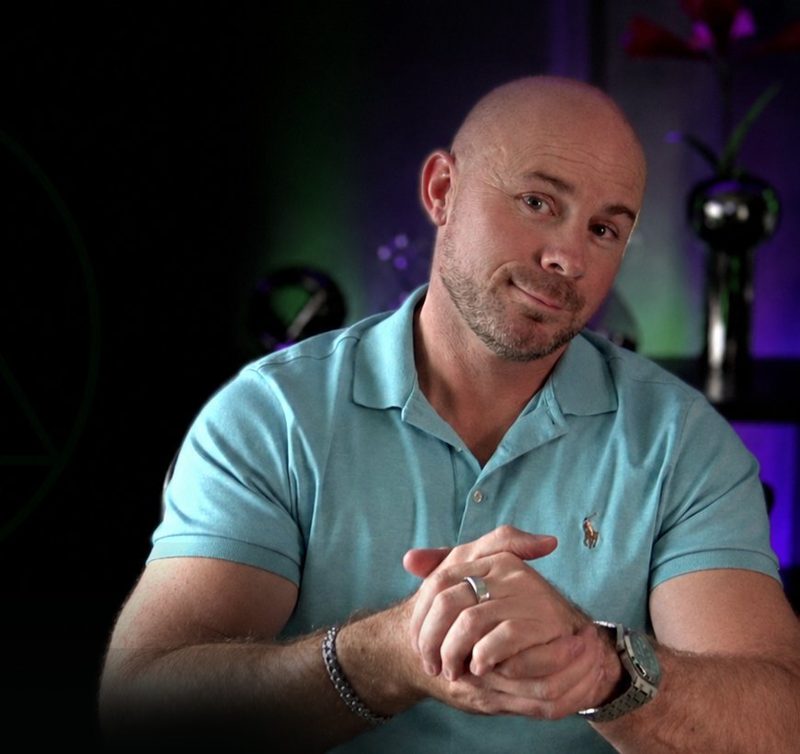
If you’ve tried to talk yourself out of this fear and it hasn’t worked, that isn’t a lack of willpower. A phobia is an alarm your mind learned, and logic alone rarely switches it off.
When a fear is less common, it can be harder to explain, so you may not have told many people about it. I work one to one over Zoom with people whose fears are holding them back, including rarer ones like this, and every plan starts with understanding what your fear is really about.
I’ve spent 17 years in clinical practice and helped more than 1,000 people with phobias. I hold a Postgraduate Certificate and a Postgraduate Diploma in Clinical Hypnotherapy, both with Distinction, and journalists and clients call me the Phobia Guru.
Common questions
Is it normal to worry this much about being tired?
Everyone feels tired at times, and some concern about it is natural. When the fear starts to shape daily plans, it may be part of a wider health worry. A GP can check any real symptoms, which often eases the uncertainty.
How can you help?
I use hypnotherapy and NLP to change how your mind responds to the thing you fear, so the old alarm stops going off. Sessions are one to one over Zoom, and you get a recording of the hypnosis to listen to afterwards.
How many sessions will I need?
Many clients notice a real difference after one 90 minute session. If the fear goes back a long way, three sessions gives us room to make the change stick.
Further reading: What is Kopophobia? (PatientsLikeMe)
Ready to start?
A short call is the simplest next step. We’ll talk about your fear, what you’d like to feel instead, and whether I’m the right person to help.
- Take the free test at the top of this page to see how strong your fear is.
- Book a 30 minute call. Use code PHOBIA at checkout for half price: £24.50 instead of £49 ($29.50 outside the UK).
- Start your sessions over Zoom from wherever you live, or face to face in Hertfordshire.
See all session options and prices