
Fear of fear (phobophobia)
En español: lee sobre este miedo en Fobias.org.
Phobophobia is the fear of fear itself, or of having a phobia. It often starts after a first panic attack, when you begin to dread feeling that way again, and it can be helped.
Many people find that with the right help, they stop bracing for the next wave of panic and start trusting their body again.
Use code PHOBIA at checkout for half price: £24.50 instead of £49. Outside the UK? $29.50.
Understanding this fear
Phobophobia is a fear of fear itself. Rather than dreading a spider or a lift, you dread the feeling of panic: the racing heart, the dizziness, the sense of losing control. Ordinary nerves come and go, but this fear sits in the background, watching for the first sign of anxiety so it can sound the alarm. The cruel twist is that all that watching tends to bring on the very feelings you are trying to avoid.
It often begins after a first panic attack, especially one that seemed to come out of nowhere. The NHS describes how people with panic disorder can end up living in fear of fear, steering clear of places linked to past attacks. It also tends to grow alongside other phobias, because people with one fear can start to dread the panic more than the thing itself. It is not listed as a separate diagnosis, but it is a well recognised part of how panic and anxiety keep themselves going.
Common triggers
- A sudden change in heartbeat
- Feeling light-headed after standing up
- Breathlessness after climbing stairs
- Hot, stuffy or crowded rooms
- Remembering a past panic attack
- Hearing someone describe their own panic
- Strong coffee or energy drinks
- Feeling trapped with no quick exit
- Waking at night with a jolt
Where it shows up
- Supermarket queues and busy shops
- Trains, buses and the Underground
- Motorways and long drives
- Meetings, interviews and presentations
- Cinemas, theatres and concerts
- Lying in bed at night
- Being far from home or on holiday
- Waiting rooms and appointments
Symptoms
In your body
- Pounding or racing heart
- Tight chest or shallow breathing
- Dizziness or feeling faint
- Tingling in the hands, feet or lips
- Sweating, shaking or hot flushes
- Churning stomach or nausea
- Dry mouth and a lump in the throat
In your mind
- What if it happens again, here, now
- I am going to faint or lose control
- Something must be wrong with my heart
- I am going mad or cannot cope
- Feeling unreal or detached from yourself
- Dread building hours before an event
What you might do
- Avoiding places where panic happened before
- Sitting near exits or planning escape routes
- Carrying water, tablets or a phone as safety items
- Checking pulse or breathing over and over
- Asking others for reassurance that you are fine
- Cutting out exercise because it raises the heart rate
What causes it
Most often it grows out of a frightening first panic attack. The body produced a huge alarm response, and the mind decided that the feeling itself was the danger. From then on, normal sensations such as a skipped beat or a moment of dizziness get read as the start of another attack, which releases more adrenaline and makes the sensations stronger. Fast, shallow breathing can add to this by causing tingling and light-headedness, which feel like more proof. A family history of anxiety, a stressful stretch of life or watching someone close to you struggle with panic can all make it more likely. Avoidance and safety behaviours then keep it going, because you never get the chance to learn that the feelings rise, peak and pass on their own.
How it can affect your life
Because the fear can follow you anywhere, life tends to shrink around it. People stop driving on motorways, turn down nights out, give up the gym or avoid jobs that involve travel or presenting. Some edge towards agoraphobia, staying close to home where they feel safest. Partners and friends can become constant reassurance givers, which puts a strain on everyone. Even on calm days there can be a low hum of watchfulness that is exhausting.
Things that can help day to day
- Breathe slowly through your nose with a longer out-breath when you notice the first flutter
- Remind yourself that panic peaks and passes, usually within minutes
- Cut back on caffeine, alcohol and energy drinks, which can mimic panic sensations
- Return to avoided places in small, planned steps, staying until the feeling eases
- Keep a short diary of what you feared would happen and what actually happened
When to get help
It is worth getting help if the fear of panic is shaping where you go, what you do or how you sleep, or if attacks are coming regularly. If chest pain, palpitations or breathlessness are new to you, please see your GP first so your heart and general health can be checked. Your GP can also talk you through NHS talking therapies and other options. If you are feeling low as well, speak to your GP or call Samaritans on 116 123.
How I can help
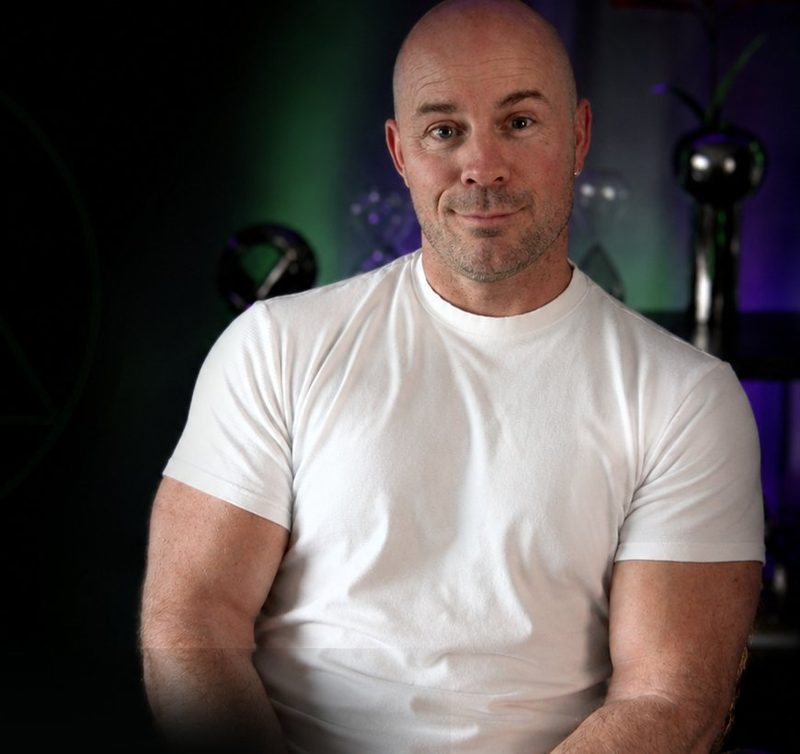
If you’ve tried to talk yourself out of this fear and it hasn’t worked, that isn’t a lack of willpower. A phobia is an alarm your mind learned, and logic alone rarely switches it off.
When I work with fear of fear over Zoom, I start by mapping your cycle: the first sensation you notice, the thought that follows and what you do next. In hypnosis we then rehearse those early sensations calmly, so your mind learns that a quick heartbeat is just a quick heartbeat and not a warning. I use NLP to take the sting out of the memory of that first attack, which is often what keeps the alarm on a hair trigger. Many clients find that once the dread of the feeling eases, the panic itself loses much of its grip.
I’ve spent 17 years in clinical practice and helped more than 1,000 people with phobias. I hold a Postgraduate Certificate and a Postgraduate Diploma in Clinical Hypnotherapy, both with Distinction.
Please note: If panic symptoms such as chest pain or palpitations are new to you, please see your GP first so we know your heart is healthy.
Common questions
Can worrying about a panic attack cause one?
Yes. Worrying about panic floods the body with stress hormones, which can create the very sensations you fear. That is why breaking the worry cycle matters as much as dealing with the attacks themselves.
Is phobophobia the same as panic disorder?
Not exactly. Panic disorder involves repeated, unexpected attacks followed by ongoing worry about more, while phobophobia describes the fear of fear, which can also grow out of another phobia. They overlap a great deal, and similar approaches help both.
Can a panic attack harm me?
Panic attacks feel frightening, but the NHS explains that they are not physically dangerous. Because the symptoms can overlap with other conditions, it is still sensible to have new chest pain or palpitations checked by your GP.
Why am I afraid of being afraid?
After a frightening episode, the mind tries to protect you by watching for it to happen again. That watchfulness can keep the anxiety going. It is a common pattern, and it can be eased.
How can you help?
I use hypnotherapy and NLP to change how your mind responds to the thing you fear, so the old alarm stops going off. Sessions are one to one over Zoom, and you get a recording of the hypnosis to listen to afterwards.
How many sessions will I need?
Many clients notice a real difference after one 90 minute session. If the fear goes back a long way, three sessions gives us room to make the change stick.
Further reading: NHS: Panic disorder · NHS: Phobias · BetterHelp: Phobophobia · Wikipedia: Phobophobia
Ready to start?
A short call is the simplest next step. We’ll talk about your fear, what you’d like to feel instead, and whether I’m the right person to help.
- Take the free test at the top of this page to see how strong your fear is.
- Book a 30 minute call. Use code PHOBIA at checkout for half price: £24.50 instead of £49 ($29.50 outside the UK).
- Start your sessions over Zoom from wherever you live, or face to face in Hertfordshire.
See all session options and prices