
Fear of feet (podophobia)
En español: lee sobre este miedo en Fobias.org.
Podophobia is a fear of feet, whether your own, other people’s or both. Summer sandals, swimming pools, changing rooms and having your feet touched can all become difficult. For many, disgust plays as big a part as fear.
Many people find that with the right help, sandals, pools and bare feet become ordinary things again.
Use code PHOBIA at checkout for half price: £24.50 instead of £49. Outside the UK? $29.50.
About this phobia
The name comes from the Greek pous, meaning foot. It is an uncommon fear rather than a separate clinical diagnosis. Some people link it to a dislike of bare skin or to worries about hygiene.
How it shows up
Podophobia shows up in different ways. Some people cannot look at bare feet without feeling queasy, while others cannot bear their own feet being touched, even for a nail trim or a shoe fitting. Lots of people find feet unappealing, but the phobia brings real distress and changes what someone is willing to do. For many, summer becomes a season to dread, full of sandals, beaches and bare toes.
Common triggers
- Bare feet
- Sandals and flip-flops
- Having feet touched
- Shoes and socks left lying around
- Close-up pictures of feet
- Smells from feet or footwear
- Toes showing through open shoes
Where it shows up
- Beaches and swimming pools
- Changing rooms
- Streets in summer
- Homes where shoes come off at the door
- Foot clinics and nail salons
- Yoga or dance classes
Symptoms
In your body
- Nausea
- Shivers
- Tension
- Racing heart
- A crawling feeling on the skin
In your mind
- Strong disgust
- Dread of summer
- Worry about hygiene
- Worry about someone’s feet touching you
What you might do
- Avoiding pools and beaches
- Keeping feet covered at all times
- Putting off foot care
- Looking away from others’ feet
What may cause it
There is no specific research on podophobia, so its causes are not well understood. Disgust, a natural response to things that might carry germs or smell, seems to play a big part. A past injury, an unpleasant experience or general sensitivity to touch may add to it, and some people remember a moment in childhood when the feeling first appeared. Avoidance keeps the fear going, because it never gets the chance to fade.
How it can affect your life
The fear can limit summer holidays, swimming and relaxed family time at home, where shoes often come off. Avoiding foot care can lead to problems with your own feet over time. It can also be hard to explain to partners or friends, who may not take it seriously or may tease without meaning harm.
Related fears
- Fear of germs (mysophobia)
- Fear of being touched (haphephobia)
- Fear of skin problems (dermatophobia)
Things that can help day to day
- Look at pictures of feet for short spells and build up slowly
- Wear socks at home if your own feet are the main trigger
- Book a podiatrist or nail technician if you cannot manage foot care yourself
- Breathe slowly and steadily when the feeling rises, letting it peak and fall
When to get help
If the fear stops you looking after your feet or joining in family activities, a therapist who works with phobias can help. See a GP or podiatrist about any foot problems.
Explore more unusual fears in the rare phobias A to Z, or browse the common phobias.
About me
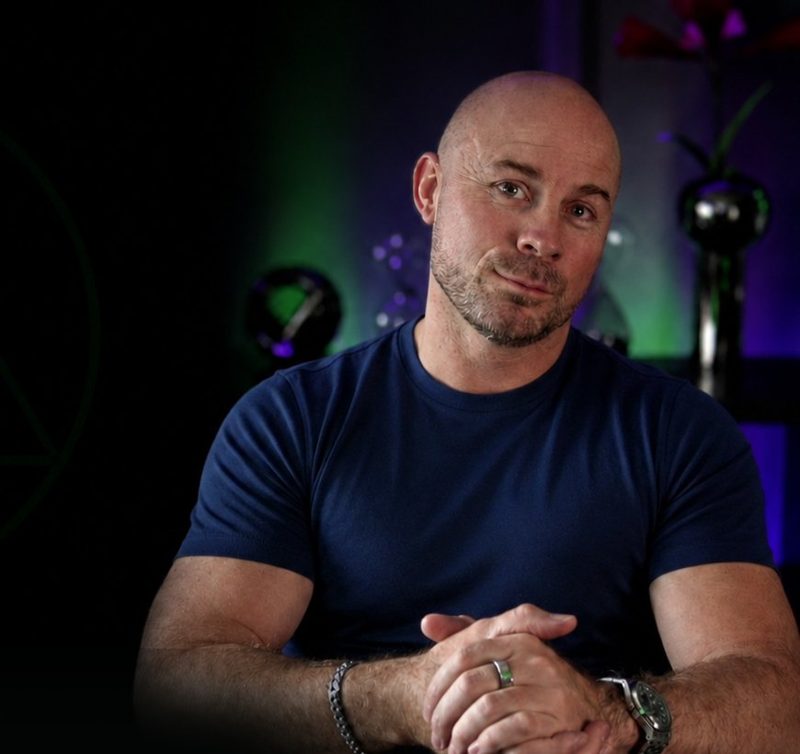
If you’ve tried to talk yourself out of this fear and it hasn’t worked, that isn’t a lack of willpower. A phobia is an alarm your mind learned, and logic alone rarely switches it off.
When a fear is less common, it can be harder to explain, so you may not have told many people about it. I work one to one over Zoom with people whose fears are holding them back, including rarer ones like this, and every plan starts with understanding what your fear is really about.
I’ve spent 17 years in clinical practice and helped more than 1,000 people with phobias. I hold a Postgraduate Certificate and a Postgraduate Diploma in Clinical Hypnotherapy, both with Distinction, and journalists and clients call me the Phobia Guru.
Common questions
Is it a phobia or just a strong dislike of feet?
Plenty of people find feet unappealing, so a dislike alone is common. It becomes more like a phobia when it causes panic, affects relationships or stops you going to places like pools or beaches. Thinking about how much it limits you is a useful way to tell the difference.
How can you help?
I use hypnotherapy and NLP to change how your mind responds to the thing you fear, so the old alarm stops going off. Sessions are one to one over Zoom, and you get a recording of the hypnosis to listen to afterwards.
How many sessions will I need?
Many clients notice a real difference after one 90 minute session. If the fear goes back a long way, three sessions gives us room to make the change stick.
Further reading: Cleveland Clinic: Podophobia (fear of feet) · Healthline: Podophobia · NHS: Phobias
Ready to start?
A short call is the simplest next step. We’ll talk about your fear, what you’d like to feel instead, and whether I’m the right person to help.
- Take the free test at the top of this page to see how strong your fear is.
- Book a 30 minute call. Use code PHOBIA at checkout for half price: £24.50 instead of £49 ($29.50 outside the UK).
- Start your sessions over Zoom from wherever you live, or face to face in Hertfordshire.
See all session options and prices