
Fear of fever (febriphobia)
En español: lee sobre este miedo en Fobias.org.
Febriphobia is a fear of fever, most often seen in parents who become very anxious when a child has a high temperature. It can mean checking a thermometer again and again, getting up through the night to check, or rushing for help over a mild rise. Any real concern about a fever, in a child or an adult, should be checked with a GP or NHS 111.
Many parents find that with the right help, alongside advice from NHS 111 or their GP, a high temperature becomes something they can handle calmly.
Use code PHOBIA at checkout for half price: £24.50 instead of £49. Outside the UK? $29.50.
About this phobia
The name comes from the Latin febris, meaning fever. Unlike many terms on phobia lists, the idea behind it is discussed in children’s health writing, where it is often called fever phobia. It sits close to health anxiety and to a more general fear of illness.
How it shows up
Almost every parent worries when a child feels hot. With febriphobia, though, the worry takes over: a small rise on the thermometer can bring panic, sleepless nights and repeated checks long after the child seems settled. Some adults feel the same about their own temperature, reading every warm flush as the start of something serious. Children’s health researchers describe fever phobia as the gap between how worried parents feel and what doctors usually expect, and that gap is where the fear lives.
Common triggers
- A child feeling warm to the touch
- Seeing a number on the thermometer
- Flushed cheeks or glassy eyes
- Night sweats or shivering
- News stories about serious childhood illness
- A past scary illness in the family
- Being far from a doctor or hospital
Where it shows up
- Bedtime and through the night
- Winter cold and flu season
- Calls from nursery or school
- On holiday away from home
- The days after vaccinations
Symptoms
In your body
- Racing heart
- Shaky hands
- Hot flushes of your own
- Nausea
- Exhaustion from broken sleep
In your mind
- Picturing the worst outcome
- Doubting your own judgement
- Trouble thinking about anything else
What you might do
- Checking temperature again and again
- Waking a sleeping child to check
- Searching symptoms online for hours
- Keeping a child home long after they recover
What may cause it
Fever phobia in parents has been looked at in a number of studies, and a common thread is that frightening stories and uncertainty feed the worry. A past event, such as a child having a fit with a high temperature or a hospital stay, can leave a parent primed for danger. Mixed messages from friends, the internet and older relatives can make it hard to know what is normal. Constant checking brings brief relief, but it also keeps attention locked on the thermometer.
How it can affect your life
The fear can mean broken nights, time off work and a lot of stress at home whenever someone is unwell. Children may pick up on the anxiety and become worried about being ill themselves. For adults who fear their own temperature, it can lead to cancelled plans and constant body checking.
Related fears
- Health anxiety
- Fear of illness (nosophobia)
- Fear of germs (mysophobia)
- Fear of vomiting (emetophobia)
Things that can help day to day
- Ask your GP or health visitor in a calm moment when you should call for help
- Keep NHS 111 details handy so you know where to turn
- Set times for checking rather than checking constantly
- Share night duty with a partner or relative if you can
When to get help
If you are worried about a fever in a child or an adult, always contact your GP or NHS 111, or call 999 in an emergency. If the worry itself is taking over your life even when everyone is well, your GP can help with that anxiety too.
Explore more unusual fears in the rare phobias A to Z, or browse the common phobias.
About me
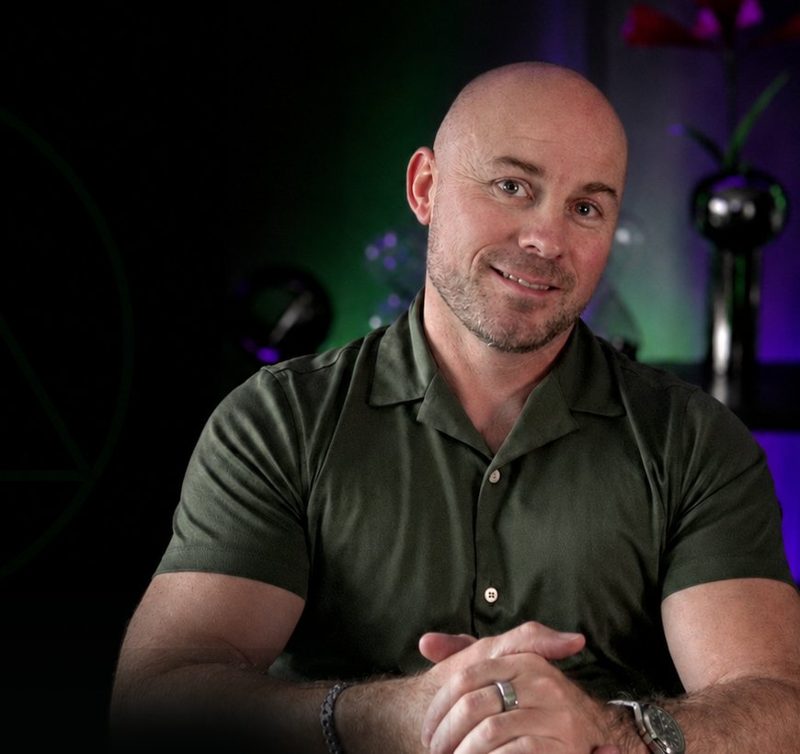
If you’ve tried to talk yourself out of this fear and it hasn’t worked, that isn’t a lack of willpower. A phobia is an alarm your mind learned, and logic alone rarely switches it off.
When a fear is less common, it can be harder to explain, so you may not have told many people about it. I work one to one over Zoom with people whose fears are holding them back, including rarer ones like this, and every plan starts with understanding what your fear is really about.
I’ve spent 17 years in clinical practice and helped more than 1,000 people with phobias. I hold a Postgraduate Certificate and a Postgraduate Diploma in Clinical Hypnotherapy, both with Distinction, and journalists and clients call me the Phobia Guru.
Common questions
How do I know if my worry about fever has gone too far?
Clear guidance on when to seek help for a fever is available from the NHS and your GP, and it is always right to ask if you are unsure. Febriphobia is about worry that stays high even when that advice says a fever is mild. If the worry is taking over family life, it is worth raising that with a GP too.
How can you help?
I use hypnotherapy and NLP to change how your mind responds to the thing you fear, so the old alarm stops going off. Sessions are one to one over Zoom, and you get a recording of the hypnosis to listen to afterwards.
How many sessions will I need?
Many clients notice a real difference after one 90 minute session. If the fear goes back a long way, three sessions gives us room to make the change stick.
Further reading: Fever phobia: parents’ knowledge and attitude towards fever
Ready to start?
A short call is the simplest next step. We’ll talk about your fear, what you’d like to feel instead, and whether I’m the right person to help.
- Take the free test at the top of this page to see how strong your fear is.
- Book a 30 minute call. Use code PHOBIA at checkout for half price: £24.50 instead of £49 ($29.50 outside the UK).
- Start your sessions over Zoom from wherever you live, or face to face in Hertfordshire.
See all session options and prices