
Fear of fish (ichthyophobia)
En español: lee sobre este miedo en Fobias.org.
A fear of fish can show up at the aquarium, on a fishmonger’s counter, in a restaurant or while swimming. For some it is live fish, for others it is the thought of touching or eating them. It can be helped.
Many people find that with the right help, the aquarium, the fish counter or a swim in the sea stops setting off the fear.
Use code PHOBIA at checkout for half price: £24.50 instead of £49. Outside the UK? $29.50.
Understanding this fear
Ichthyophobia is an intense, lasting fear of fish. It can cover seeing, touching, smelling or eating fish, and it varies a lot from person to person. Some people panic when a fish swims near them in the sea, while others feel sick at the sight of a whole fish on a fishmonger’s slab. It is different from a fear of sharks or of deep water, although some people have more than one of these.
It is one of the animal type specific phobias and is thought to be fairly unusual compared with fears of spiders or dogs. One of the earliest recorded examples in psychology described a small child who learned to fear a goldfish, and how a gradual approach helped. Like other phobias it can start in childhood, and children can pick it up from a parent who reacts strongly to fish.
Common triggers
- Fish brushing against you in the water
- Seeing a whole fish with eyes and scales
- The smell of raw fish
- Slimy texture when touching fish
- Fish served with the head on
- Fast, darting movements in a tank
- Large fish in aquariums
- Underwater scenes in films and documentaries
Where it shows up
- Aquariums and sea life centres
- Fishmongers and supermarket fish counters
- Seafood restaurants
- Lakes, rivers and the sea
- Garden ponds and pet shops
- Fishing trips and harbours
Symptoms
In your body
- Racing heart
- Trembling and sweating
- Fast breathing
- Feeling sick or gagging
- Dizziness
- Tight chest
In your mind
- It is going to touch me
- Disgust at the eyes, scales or slime
- Feeling trapped in the water
- Dread before a seaside trip or a meal out
- Feeling foolish about being scared
What you might do
- Refusing to swim in the sea or lakes
- Avoiding fish counters and seafood restaurants
- Looking away from aquariums and ponds
- Asking others to prepare or serve fish
- Leaving the table if fish is served
What causes it
The fear is thought to come from a mix of experience, learning and the way our threat system works. A sudden moment, such as a fish nibbling your foot or a slippery fish flapping in your hands, can set it off. Children may learn the fear by watching a parent recoil from fish, and early research showed that a fear of fish could be learned in this way. Disgust at the smell, texture or eyes can be as strong as the fear itself. Avoiding the sea, fish counters or meals with fish brings relief, and that relief keeps the fear going.
How it can affect your life
Ichthyophobia can make beach holidays, swimming, aquarium visits and meals out more difficult. Some people avoid fish counters entirely or struggle when family or friends cook fish. Children with the fear may miss out on school trips to aquariums or on swimming in the sea. It can also feel awkward to explain, which can lead to quietly avoiding plans.
Things that can help day to day
- Look at simple drawings of fish, then photos, at your own pace
- Watch a calm aquarium video for a short time and notice your breathing settle
- Only swim in safe, supervised places, such as lifeguarded beaches or pools
- Use slow breathing when you walk past a fish counter
- Let others know you are working on it so meals feel less pressured
When to get help
It is worth getting help if the fear is stopping you from swimming, travelling, eating out or joining family activities. If you find you are cutting out lots of foods or eating less, please speak to your GP. Your GP is also a good first port of call if anxiety is affecting your daily life.
How I can help
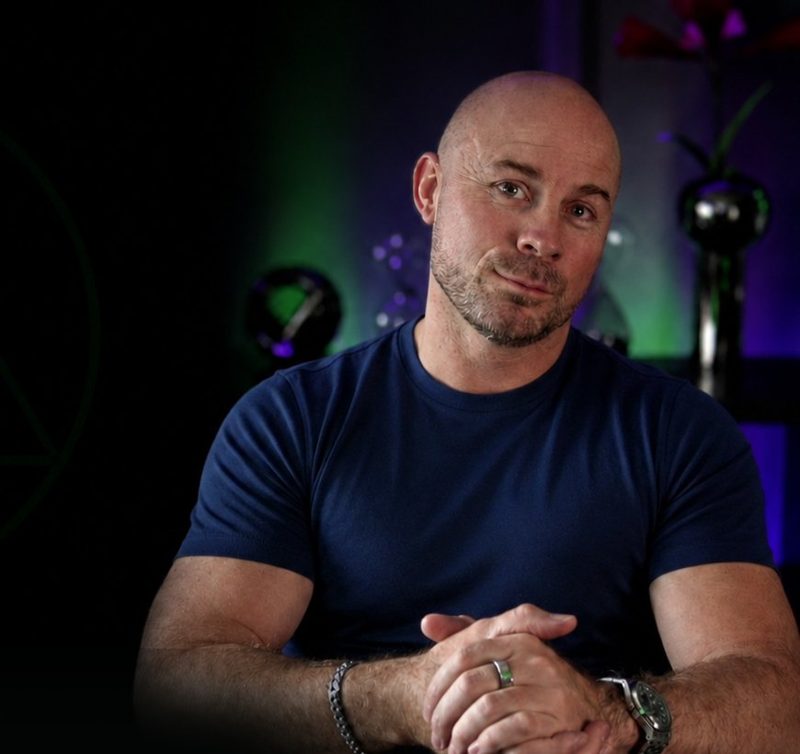
If you’ve tried to talk yourself out of this fear and it hasn’t worked, that isn’t a lack of willpower. A phobia is an alarm your mind learned, and logic alone rarely switches it off.
When I work with a fear of fish over Zoom, I first find out which part of it matters most to you, whether that is live fish in the water, the look of a whole fish or the smell and texture. Using hypnotherapy and NLP, we look at what sits underneath, often an early moment of shock or disgust, and help the mind let go of it. We then rehearse calmly swimming, walking past a fish counter or sitting near someone eating fish. Many clients find the reaction shrinks to a mild dislike that no longer shapes their plans.
I’ve spent 17 years in clinical practice and helped more than 1,000 people with phobias. I hold a Postgraduate Certificate and a Postgraduate Diploma in Clinical Hypnotherapy, both with Distinction.
Common questions
Why do fish eyes freak me out?
Fish eyes do not blink and do not show emotion the way human or mammal eyes do, which some people find unsettling. When it comes with disgust or fear, it is often part of a wider fish phobia.
Is a fear of fish the same as a fear of sharks?
No. A fear of sharks has its own name, galeophobia, and focuses on a predator. A fear of fish usually covers ordinary fish, including small harmless ones.
Can a fear of fish stop me swimming in the sea?
It can, and many people with this fear avoid open water. Working on the fear can help you enjoy swimming again, always in safe, supervised places.
Does it matter if the fish is dead or alive?
It depends on the person. Some people are only afraid of live fish moving near them, while others cannot bear the sight or smell of dead fish. Knowing your own pattern helps us work on it.
How can you help?
I use hypnotherapy and NLP to change how your mind responds to the thing you fear, so the old alarm stops going off. Sessions are one to one over Zoom, and you get a recording of the hypnosis to listen to afterwards.
How many sessions will I need?
Many clients notice a real difference after one 90 minute session. If the fear goes back a long way, three sessions gives us room to make the change stick.
Further reading: Psych Central: Ichthyophobia · Wikipedia: Fear of fish · NHS: Phobias
Ready to start?
A short call is the simplest next step. We’ll talk about your fear, what you’d like to feel instead, and whether I’m the right person to help.
- Take the free test at the top of this page to see how strong your fear is.
- Book a 30 minute call. Use code PHOBIA at checkout for half price: £24.50 instead of £49 ($29.50 outside the UK).
- Start your sessions over Zoom from wherever you live, or face to face in Hertfordshire.
See all session options and prices