
Fear of flashes of light (selaphobia)
Selaphobia is a fear of flashes of light. It might mean avoiding concerts and clubs with strobe lighting, flinching at camera flashes, or feeling tense during a thunderstorm. Flashes seen in your own vision that are not coming from outside should be checked by an optician or GP.
Many people find that with the right help, a camera flash or flashing lights stop making them flinch.
Use code PHOBIA at checkout for half price: £24.50 instead of £49. Outside the UK? $29.50.
About this phobia
The name appears to come from the Greek selas, meaning a bright light or flash. It is rarely reported and found mostly on lists. It can overlap with photophobia, which in medicine usually means discomfort from light rather than fear, and with worries about migraines or seizures set off by flashing lights.
How it shows up
Someone with this fear may feel tense whenever a bright flash might happen, scanning a room for strobe lights or flinching before a photo is taken. Thunderstorms can be hard because lightning arrives without warning, sometimes in the middle of the night. The fear is often about suddenness as much as brightness, with the body bracing before anything has happened. Many people find flashing lights annoying, but here someone may leave events, avoid photos or feel shaky long after the flash has gone.
Common triggers
- Strobe lights
- Camera flashes
- Lightning
- Flashing blue lights on emergency vehicles
- Fireworks
- Flickering bulbs or screens
- Sunlight flickering through trees
Where it shows up
- Concerts and nightclubs
- Weddings and parties
- Outdoors during storms
- Roadsides at night
- Bonfire night events
- Photo shoots and award events
Symptoms
In your body
- Flinching or blinking hard
- Racing heart
- Headache
- Feeling dizzy or sick
- Tense neck and shoulders
In your mind
- Bracing for the next flash
- Worry about a migraine or seizure
- Feeling out of control
- Dread before events with lighting
What you might do
- Avoiding photos
- Leaving events with light shows
- Wearing sunglasses indoors
- Closing curtains in storms
What may cause it
Nothing much has been written about this fear by name. It may begin after a migraine or seizure set off by light, or after being caught in a frightening storm. For people who are sensitive to light, flashes can be truly uncomfortable, and that discomfort can slowly turn into fear. Avoiding all flashing light can feel safer but tends to make events and storms more frightening over time.
How it can affect your life
It can rule out concerts, weddings and celebrations, and make stormy weather stressful. Some people also struggle at work with flickering lights or screens. Friends may not realise why invitations are turned down, which can leave the person feeling misunderstood.
Related fears
- Fear of thunder and lightning (astraphobia)
- Discomfort with light (photophobia)
- Fear of fireworks
- Fear of loud noises (phonophobia)
Things that can help day to day
- Ask hosts ahead of time whether strobes or flashes will be used
- Look at photos of flashes before facing real ones
- Use a calm breathing count during storms
- Sit further back from stages and dance floors
When to get help
Flashes seen inside your own vision, or any seizure, should be checked by a GP, optician or NHS 111. If health checks are clear but the fear still limits your life, talking therapy can help.
Explore more unusual fears in the rare phobias A to Z, or browse the common phobias.
About me
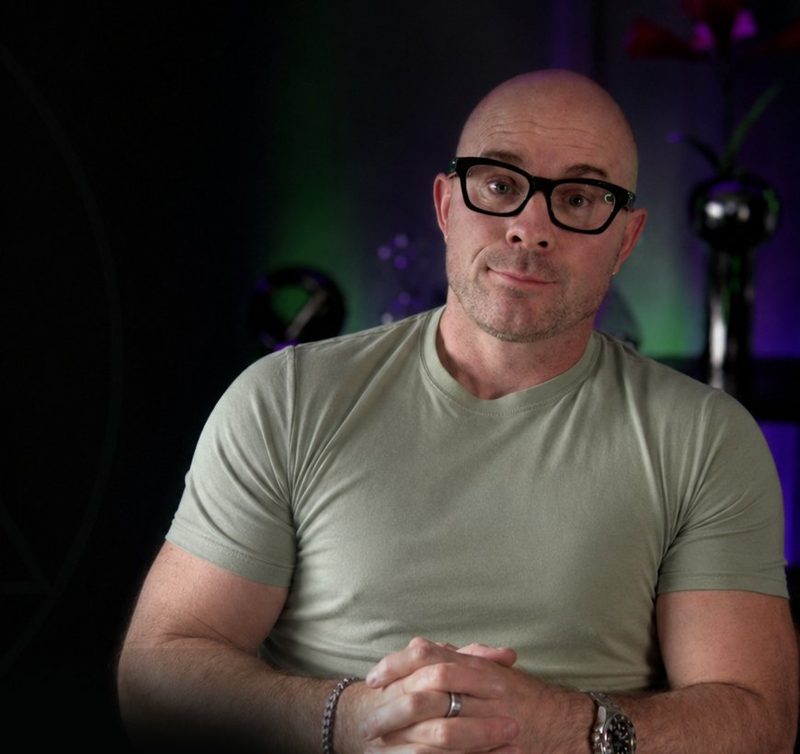
If you’ve tried to talk yourself out of this fear and it hasn’t worked, that isn’t a lack of willpower. A phobia is an alarm your mind learned, and logic alone rarely switches it off.
When a fear is less common, it can be harder to explain, so you may not have told many people about it. I work one to one over Zoom with people whose fears are holding them back, including rarer ones like this, and every plan starts with understanding what your fear is really about.
I’ve spent 17 years in clinical practice and helped more than 1,000 people with phobias. I hold a Postgraduate Certificate and a Postgraduate Diploma in Clinical Hypnotherapy, both with Distinction, and journalists and clients call me the Phobia Guru.
Common questions
Is selaphobia linked to epilepsy?
Not directly, but some people with photosensitive epilepsy or migraine have good reason to be careful around flashing lights, and that caution can grow into fear. Anyone with seizures or new visual symptoms should speak to a GP. Where the fear goes beyond the real risk, it can be worked on separately.
How can you help?
I use hypnotherapy and NLP to change how your mind responds to the thing you fear, so the old alarm stops going off. Sessions are one to one over Zoom, and you get a recording of the hypnosis to listen to afterwards.
How many sessions will I need?
Many clients notice a real difference after one 90 minute session. If the fear goes back a long way, three sessions gives us room to make the change stick.
Further reading: Cleveland Clinic: Astraphobia (fear of thunder and lightning) · NHS: Phobias
Ready to start?
A short call is the simplest next step. We’ll talk about your fear, what you’d like to feel instead, and whether I’m the right person to help.
- Take the free test at the top of this page to see how strong your fear is.
- Book a 30 minute call. Use code PHOBIA at checkout for half price: £24.50 instead of £49 ($29.50 outside the UK).
- Start your sessions over Zoom from wherever you live, or face to face in Hertfordshire.
See all session options and prices