
Fear of fog (homichlophobia)
En español: lee sobre este miedo en Fobias.org.
Homichlophobia is a fear of fog. Driving, walking or travelling in fog can bring on strong anxiety, and some people check forecasts closely or cancel plans when mist is expected. Losing clear sight, and not knowing what lies ahead, is often at the heart of it.
Many people find that with the right help, a foggy morning becomes something they can handle with sensible care.
Use code PHOBIA at checkout for half price: £24.50 instead of £49. Outside the UK? $29.50.
About this phobia
The word comes from the Greek homichle, meaning mist. It is an uncommon term with little clinical documentation, though unease about poor visibility is easy to understand. It can overlap with fear of driving, fear of the dark and fear of getting lost.
How it shows up
Few people enjoy thick fog, and taking extra care in it is sensible. Homichlophobia goes further, with fog bringing real dread even when there is no need to go anywhere. Some feel trapped or lost when mist settles over familiar streets, and a grey view from the window can cloud the whole day. The fear often centres on what cannot be seen rather than on the weather itself.
Common triggers
- Weather warnings for fog
- Morning mist over fields or water
- Headlights looming out of fog
- Fog horns
- Films that use fog to build suspense
- Low cloud on hills
- Mist rolling in during a walk
Where it shows up
- Motorways and country roads
- Coastal towns and harbours
- Moors and open countryside
- Airports during delays
- Walks to work or school in winter
- Rivers and canals on still mornings
Symptoms
In your body
- Gripping the steering wheel tightly
- Shallow breathing
- Racing heart
- Feeling dizzy
- Tight shoulders and neck
In your mind
- Feeling lost or disoriented
- Expecting danger to appear
- Dread when checking forecasts
What you might do
- Cancelling plans on foggy days
- Checking forecasts often
- Staying indoors until fog lifts
- Avoiding certain routes or areas
What may cause it
There is little research on fear of fog, so most of what is known comes from how phobias develop in general. It can follow a frightening experience, such as a near miss on the road or getting lost in mist on a walk, or grow from stories and films where fog hides danger. For some it links to a wider unease with uncertainty and losing control. Since fog is common in the UK in autumn and winter, the fear can return each year just as it starts to fade.
How it can affect your life
Fog can disrupt commutes, school runs and travel plans, leading to missed work or events. Some people feel on edge for the whole season, checking the forecast every evening. It may also limit trips to the coast or countryside.
Related fears
- Fear of driving (amaxophobia)
- Fear of the dark (nyctophobia)
- Fear of getting lost
- Fear of the unknown
Things that can help day to day
- Look at photos of misty scenes indoors to get used to the look
- Have a backup plan such as public transport or a later start on foggy days
- Practise slow breathing while watching fog from a window
- Remind yourself that fog often clears as the day warms up
When to get help
If fog keeps you from work or daily life, or the fear followed a road accident, speak to your GP about talking therapy. Any dizziness or eyesight problems should be checked by a GP or optician.
Explore more unusual fears in the rare phobias A to Z, or browse the common phobias.
About me
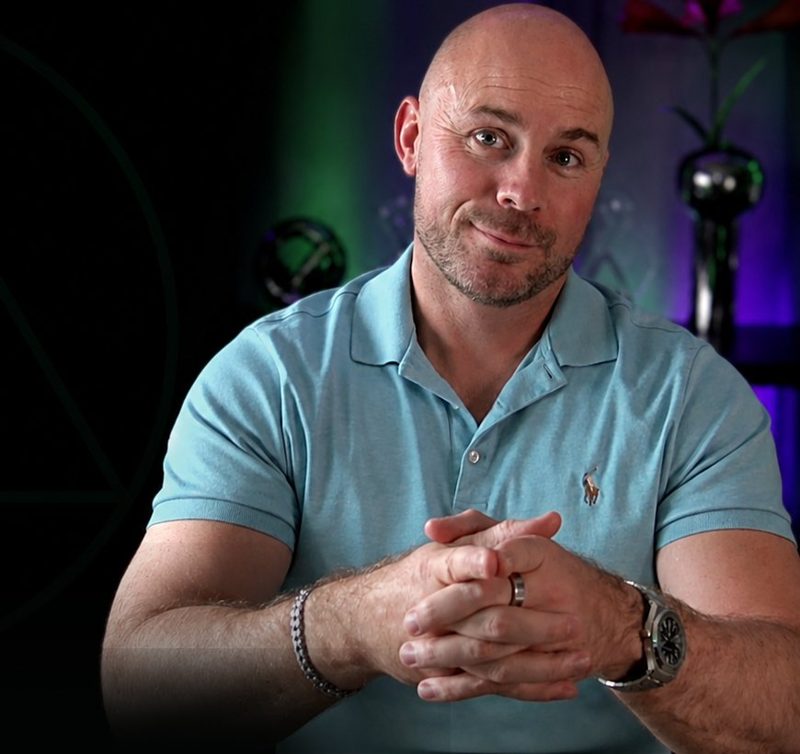
If you’ve tried to talk yourself out of this fear and it hasn’t worked, that isn’t a lack of willpower. A phobia is an alarm your mind learned, and logic alone rarely switches it off.
When a fear is less common, it can be harder to explain, so you may not have told many people about it. I work one to one over Zoom with people whose fears are holding them back, including rarer ones like this, and every plan starts with understanding what your fear is really about.
I’ve spent 17 years in clinical practice and helped more than 1,000 people with phobias. I hold a Postgraduate Certificate and a Postgraduate Diploma in Clinical Hypnotherapy, both with Distinction, and journalists and clients call me the Phobia Guru.
Common questions
Is it reasonable to be scared of driving in fog?
Some caution is sensible, and slowing down or putting off a trip in thick fog is good practice. It becomes more of a phobia when even light mist causes panic or stops you going out at all. Noticing which part feels most frightening, such as losing sight or losing control, can be a useful start.
How can you help?
I use hypnotherapy and NLP to change how your mind responds to the thing you fear, so the old alarm stops going off. Sessions are one to one over Zoom, and you get a recording of the hypnosis to listen to afterwards.
How many sessions will I need?
Many clients notice a real difference after one 90 minute session. If the fear goes back a long way, three sessions gives us room to make the change stick.
Further reading: Healthline: Nyctophobia · NHS: Phobias · Mind: Understanding phobias
Ready to start?
A short call is the simplest next step. We’ll talk about your fear, what you’d like to feel instead, and whether I’m the right person to help.
- Take the free test at the top of this page to see how strong your fear is.
- Book a 30 minute call. Use code PHOBIA at checkout for half price: £24.50 instead of £49 ($29.50 outside the UK).
- Start your sessions over Zoom from wherever you live, or face to face in Hertfordshire.
See all session options and prices