
Fear of forests (hylophobia)
En español: lee sobre este miedo en Fobias.org.
Hylophobia is a fear of forests. Woodland walks, camping trips or even dense parks can bring on unease, often linked to getting lost, feeling closed in or not knowing what is hidden among the trees. Fairy tales and films that set danger in the woods can add to it.
Many people find that with the right help, a woodland walk or a camping trip becomes something to enjoy.
Use code PHOBIA at checkout for half price: £24.50 instead of £49. Outside the UK? $29.50.
About this phobia
The name comes from the Greek hyle, meaning wood or forest. It is a rare term found mostly on lists, and the related word nyctohylophobia is given for fear of forests at night. It can overlap with fear of the dark, fear of getting lost and fear of wild animals.
How it shows up
Lots of people feel a bit uneasy in deep woods at dusk. Hylophobia makes woodland frightening even in broad daylight, with a sense that something is watching or that the path back has vanished. Some people avoid walking routes, camping trips or school outings to the countryside. The fear can feel at odds with how others describe forests as calming places.
Common triggers
- Dense trees blocking the view
- Rustling or snapping branches
- Fading light under the canopy
- Losing sight of the path
- Stories or films set in woods
- Unfamiliar animal sounds
- Being far from roads or houses
Where it shows up
- Woodland walks
- Campsites
- Country parks
- School trips and scout camps
- Long drives through forests
- National parks and nature reserves
Symptoms
In your body
- Racing heart
- Shallow breathing
- Sweating
- Jumping at sounds
- Tight chest
In your mind
- Feeling watched
- Fear of getting lost
- Imagining hidden dangers
- Worry about not finding help
What you might do
- Avoiding wooded areas
- Sticking to open spaces
- Cutting walks short
- Turning down camping trips
What may cause it
There is little research on hylophobia, so its causes are best understood through how fears in general take hold. It may grow from a time of getting lost, a frightening story told as a child, or the many films and fairy tales that cast the forest as a place of danger. For some, the closed-in feeling and poor visibility tap into wider fears of the dark or of being trapped. Avoidance keeps the fear strong, as each walk not taken removes a chance to feel safe among trees.
How it can affect your life
The fear can limit family days out, holidays and outdoor exercise, which many people rely on for their mood. It may lead children to miss school trips or scout camps. People can end up feeling cut off from nature and the lift it gives others.
Related fears
- Fear of the dark (nyctophobia)
- Fear of getting lost
- Fear of wild animals (agrizoophobia)
- Fear of forests at night (nyctohylophobia)
Things that can help day to day
- Start with a well-marked path in a busy local park in daylight
- Walk with a friend and carry a charged phone
- Watch nature programmes that show woods as peaceful places
- Learn what common woodland sounds are
When to get help
If the fear stops you enjoying time outdoors or affects your children’s activities, speak to your GP about talking therapy. If it began after getting lost or a frightening event outdoors, mention that too, as it can help shape the right support.
Explore more unusual fears in the rare phobias A to Z, or browse the common phobias.
About me
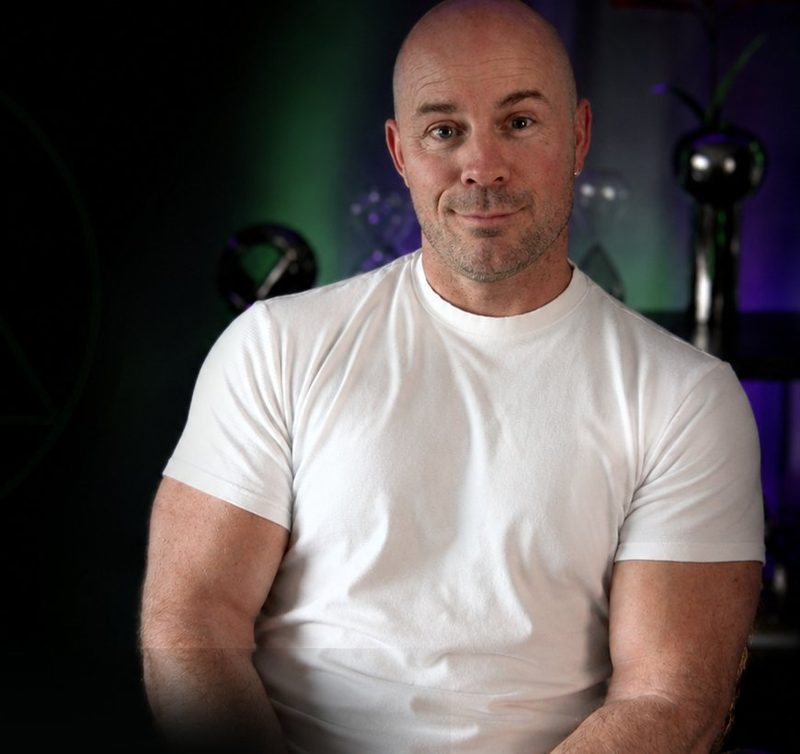
If you’ve tried to talk yourself out of this fear and it hasn’t worked, that isn’t a lack of willpower. A phobia is an alarm your mind learned, and logic alone rarely switches it off.
When a fear is less common, it can be harder to explain, so you may not have told many people about it. I work one to one over Zoom with people whose fears are holding them back, including rarer ones like this, and every plan starts with understanding what your fear is really about.
I’ve spent 17 years in clinical practice and helped more than 1,000 people with phobias. I hold a Postgraduate Certificate and a Postgraduate Diploma in Clinical Hypnotherapy, both with Distinction, and journalists and clients call me the Phobia Guru.
Common questions
Why do woods feel so frightening to some people?
Forests limit how far you can see and can make it hard to find your way, which naturally raises alertness. Stories and films often place danger in the woods, which can feed the fear. For many people it is much stronger at night, alone or in unfamiliar places.
How can you help?
I use hypnotherapy and NLP to change how your mind responds to the thing you fear, so the old alarm stops going off. Sessions are one to one over Zoom, and you get a recording of the hypnosis to listen to afterwards.
How many sessions will I need?
Many clients notice a real difference after one 90 minute session. If the fear goes back a long way, three sessions gives us room to make the change stick.
Further reading: Healthline: Nyctophobia · Cleveland Clinic: Zoophobia · NHS: Phobias
Ready to start?
A short call is the simplest next step. We’ll talk about your fear, what you’d like to feel instead, and whether I’m the right person to help.
- Take the free test at the top of this page to see how strong your fear is.
- Book a 30 minute call. Use code PHOBIA at checkout for half price: £24.50 instead of £49 ($29.50 outside the UK).
- Start your sessions over Zoom from wherever you live, or face to face in Hertfordshire.
See all session options and prices