
Fear of Friday the 13th (paraskevidekatriaphobia)
En español: lee sobre este miedo en Fobias.org.
For some people Friday the 13th is a joke. For others it brings real anxiety, with plans cancelled and a sense that something is bound to go wrong.
Many people find that with the right help, Friday the 13th becomes just another day, with plans kept and nothing to brace for.
Use code PHOBIA at checkout for half price: £24.50 instead of £49. Outside the UK? $29.50.
Understanding this fear
Paraskevidekatriaphobia is a fear of Friday the 13th. For many people the date is a bit of fun, but for some it brings real anxiety, with plans cancelled and a sense that something is bound to go wrong. It is linked to triskaidekaphobia, a wider fear of the number 13. When the worry starts days before, shapes your decisions and is hard to shake off, it has gone beyond a passing superstition.
Superstitions about Fridays and about the number 13 are old, but the idea that the two together are especially unlucky only seems to appear in records from the 1800s. Some people link it to religious stories or old myths, though the true origins are unclear, and a popular novel from 1907 may have helped spread it. Other cultures have their own version, such as Tuesday the 13th in Greece and Spanish speaking countries, and Friday the 17th in Italy. The fear tends to be stronger in people who are already anxious, because the date gives worry something to focus on.
Common triggers
- Spotting Friday the 13th on the calendar
- Being asked to book travel or events on that date
- Jokes and media coverage in the days before
- Horror films and adverts linked to the date
- The number 13 on rooms, seats or house numbers
- Small mishaps on the day, like spilling something
- Other superstitions such as broken mirrors
- Important meetings or deadlines falling on the 13th
Where it shows up
- Airports and planes
- Medical appointments booked for the 13th
- Work, especially when making decisions or signing deals
- Hotels with a room or floor numbered 13
- Roads and motorways
- Weddings, house moves or other big events set for that date
Symptoms
In your body
- Tension that builds through the week
- Restlessness and poor sleep the night before
- Butterflies or a knotted stomach
- A faster heartbeat when something goes slightly wrong
- Headaches or tight shoulders on the day
- Feeling jumpy and on edge
In your mind
- Something bad is bound to happen today
- If I go ahead, it will be my fault when it goes wrong
- Reading small setbacks as proof of bad luck
- Knowing the fear is irrational but feeling it anyway
- Relief and exhaustion when the day is over
What you might do
- Cancelling or moving travel, meetings or events
- Staying at home or in bed all day
- Putting off contracts or big decisions
- Using lucky charms or rituals for protection
- Checking calendars months ahead to spot the date
- Asking others for reassurance that nothing will happen
What causes it
Superstitions are learned, usually from family, friends and the culture around us, and they are often picked up in childhood. They tend to stick when life feels uncertain, because a rule about an unlucky day can give a sense of control. Our minds also notice and remember the times something goes wrong on a feared day, and quietly forget the many times nothing happens, which makes the belief feel proven. Media coverage and horror films keep the idea in view each time the date comes round. Avoiding things on Friday the 13th brings relief, which teaches the mind that the avoidance kept you safe.
How it can affect your life
Because Friday the 13th comes round at least once and up to three times a year, the fear keeps returning. People may miss work, cancel holidays, avoid flights or turn down important events, and the worry can start weeks ahead. It can be hard to explain to employers, friends and family, who may treat it as a joke. For people who are already anxious, it can become one more source of dread on the calendar.
Things that can help day to day
- Notice when you link a small mishap to the date, and ask whether you would notice it on any other day
- Keep a simple record of past Friday the 13ths and what actually happened
- Plan something enjoyable for the day, so it gains new associations
- Start with one small step, such as keeping a plan you would usually cancel
- Use slow breathing if worry builds the night before
When to get help
It is worth getting help if you regularly cancel work, travel or important plans because of the date, or if the worry starts long before the day. If superstitions and rituals are spreading into other parts of life, or anxiety is affecting your daily life, your GP is a good first port of call. Feeling that you must carry out rituals to stop bad things happening can sometimes be part of a wider anxiety problem, which a GP can help you look into.
How I can help
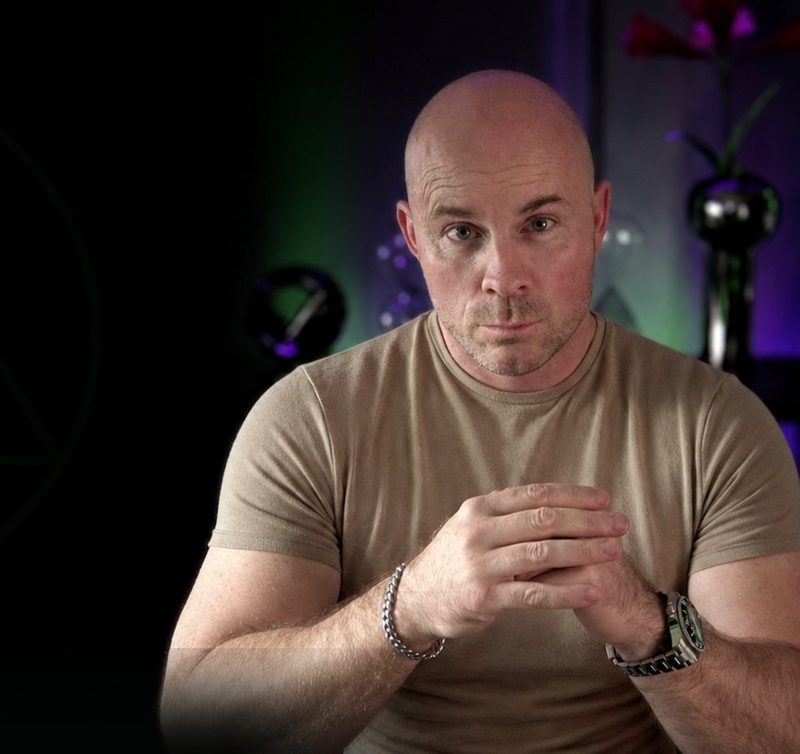
If you’ve tried to talk yourself out of this fear and it hasn’t worked, that isn’t a lack of willpower. A phobia is an alarm your mind learned, and logic alone rarely switches it off.
When I work with a fear of Friday the 13th, I look at where the superstition came from and why it took hold, often at a time when life already felt uncertain. Over Zoom, I use hypnotherapy and NLP to rehearse the day in your mind, keeping your plans and feeling calm as you go about them. We also loosen the habit of treating every small mishap as proof that the date is cursed. Many clients find the build up loses its grip, and the date goes back to being just another Friday.
I’ve spent 17 years in clinical practice and helped more than 1,000 people with phobias. I hold a Postgraduate Certificate and a Postgraduate Diploma in Clinical Hypnotherapy, both with Distinction.
Common questions
Why is Friday the 13th considered unlucky?
Nobody knows for sure. Fridays and the number 13 were each thought of as unlucky for centuries, but records linking them together only appear in the 1800s. Religious stories, myths and a popular early 1900s novel have all been suggested as reasons it caught on.
Is there any evidence that Friday the 13th is more dangerous?
Studies have come up with mixed results, and later research has not found a reliable link with more accidents. One Dutch insurance report even found fewer accidents and fires on Friday the 13th than on other Fridays, perhaps because people take more care.
What is the difference between paraskevidekatriaphobia and triskaidekaphobia?
Triskaidekaphobia is a fear of the number 13 in general. Paraskevidekatriaphobia is a fear of the particular date when the 13th falls on a Friday, although many people have both.
Where does it come from?
Superstitions are learned, usually from family and culture. They tend to stick when anxiety is already high and the superstition gives it something to focus on.
How do sessions work?
I use hypnotherapy and NLP to change how your mind responds to Friday the 13th. Sessions are one to one over Zoom, and you get a recording of the hypnosis to listen to afterwards.
How many sessions will I need?
Many clients notice a real difference after one 90 minute session. If the fear goes back a long way, three sessions gives us room to make the change stick.
Further reading: Britannica: Friday the 13th superstition · Medical News Today: Friday the 13th · Wikipedia: Friday the 13th · NHS: Phobias
Ready to start?
A short call is the simplest next step. We’ll talk about your fear, what you’d like to feel instead, and whether I’m the right person to help.
- Take the free test at the top of this page to see how strong your fear is.
- Book a 30 minute call. Use code PHOBIA at checkout for half price: £24.50 instead of £49 ($29.50 outside the UK).
- Start your sessions over Zoom from wherever you live, or face to face in Hertfordshire.
See all session options and prices