
Fear of gaining weight (obesophobia)
En español: lee sobre este miedo en Fobias.org.
A fear of gaining weight can follow you into shops, meals, mirrors and every glance at the scales. It can wear you down, and the anxiety behind it can be helped with a calm, non-judgemental approach.
Many people find that with the right help, and alongside support from their GP where needed, the anxiety quietens and meals stop feeling like a test.
Use code PHOBIA at checkout for half price: £24.50 instead of £49. Outside the UK? $29.50.
Understanding this fear
Obesophobia, sometimes called pocrescophobia, is an intense fear of putting on weight. Many people think about their weight from time to time, but with this fear the worry is constant and out of proportion. Stepping near the scales, catching sight of yourself in a mirror or sitting down to a meal can bring on real anxiety. People often know the fear is bigger than it should be, yet still find it very hard to switch off.
It is most often seen in teenage girls and young women, though it can affect anyone, including men and boys. Cleveland Clinic notes that it is hard to know how many people have it, because many keep it private. It is closely linked with eating disorders and can lead to them, although not everyone with this fear has one. It can also sit alongside perfectionism, social anxiety and worries about body image.
Common triggers
- Stepping on or seeing scales
- Clothes feeling tighter
- Comments about weight or appearance
- Photos of yourself
- Social media images and diet content
- Menus and food labels
- Holidays and celebrations centred on food
- Missing planned exercise
Where it shows up
- Mealtimes at home
- Restaurants and family gatherings
- Changing rooms and clothes shops
- GP or clinic appointments
- Gyms
- Beaches and swimming pools
- Parties and work events
Symptoms
In your body
- Racing heart or palpitations
- Sweating and feeling hot
- Dizziness
- Nausea or a churning stomach
- Shortness of breath
- Trembling or shaking
In your mind
- If I eat this I will lose control
- Everyone will notice and judge me
- Harsh self-criticism after eating
- Constant thoughts about weight and shape
- Feeling acceptable only if nothing changes
- Panic at any change in how clothes fit
What you might do
- Frequent dieting or skipping meals
- Avoiding eating with others
- Repeated weighing or body checking
- Exercising when unwell or exhausted
- Bringing your own food to avoid surprises
- Seeking reassurance about how you look
What causes it
Experts are not sure exactly what causes it, but several things often combine. Living in a culture that praises thinness and judges bigger bodies plays a big part, as does being teased or bullied about weight, sometimes by family or peers. Perfectionism, a personal or family history of anxiety, phobias or eating disorders, and constant comparison on social media can all add to it. The fear also tends to keep itself going: each time you avoid a meal or check your body and feel relief, the brain learns that the fear was protecting you.
How it can affect your life
This fear can turn food, social life and self-image into a constant battle. Meals out, holidays and celebrations may be avoided, which can affect friendships and family life. Concentration at work or school often suffers when so much headspace goes on weight. The biggest concern is health, because some people become underweight or unwell while still fearing weight gain, and it can open the door to eating disorders, low mood and obsessive habits.
Things that can help day to day
- Notice the harsh inner voice and ask whether you would speak to a friend that way
- Mute or unfollow social media accounts that focus on diets and bodies
- Use slow breathing before meals to settle your body
- Plan something calming after meals, such as a chat or a favourite programme
- Share how you feel with someone you trust rather than keeping it secret
When to get help
Please speak to your GP if this fear is affecting how much you eat or how you see your body, or if you have lost weight or feel unwell. Getting help early makes a real difference. The eating disorder charity Beat (beateatingdisorders.org.uk) offers a confidential helpline by phone, web chat and email, and support for families too. If you are feeling low, you can also call Samaritans on 116 123.
How I can help
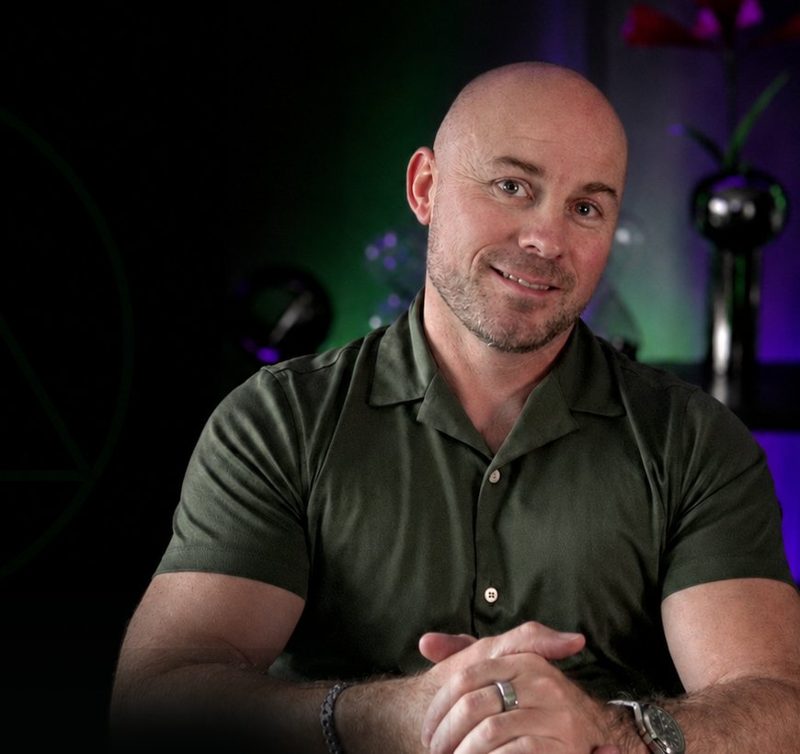
If you’ve tried to talk yourself out of this fear and it hasn’t worked, that isn’t a lack of willpower. A phobia is an alarm your mind learned, and logic alone rarely switches it off.
I work alongside your GP and any eating disorder support you have, never in place of it, and I always ask you to keep them informed. Over Zoom, we look gently at where the fear came from, whether that is a comment, a time of being teased or a pressure to be perfect. Using hypnosis and NLP, we work on quietening the critical inner voice and calming the automatic panic that comes with food, mirrors or scales. Many clients find they feel calmer and kinder towards themselves, which gives them more room to look after their health.
I’ve spent 17 years in clinical practice and helped more than 1,000 people with phobias. I hold a Postgraduate Certificate and a Postgraduate Diploma in Clinical Hypnotherapy, both with Distinction.
Please note: If this fear is affecting how much you eat or how you see your body, please speak to your GP, and the eating disorder charity Beat (beateatingdisorders.org.uk) offers support too.
Common questions
Can men have a fear of gaining weight?
Yes. It is more often seen in teenage girls and young women, but men and boys can have it too, and they may find it harder to talk about. Help is available for everyone.
Why does social media make the fear worse?
Constant images of edited bodies and diet content can make a normal body feel wrong and keep weight on your mind. Many people find that changing what they follow brings some relief.
How can I support someone who is afraid of gaining weight?
Listen without commenting on their weight, shape or what they eat, and gently encourage them to speak to their GP. Beat has advice and support for friends and family too.
Is this the same as an eating disorder?
Not always, but the two can overlap. In my sessions I work with the anxiety only. I do not give diet or weight advice, and I would want you to have medical support alongside any work with me if eating is affected.
How can you help?
I use hypnotherapy and NLP to change how your mind responds to the thing you fear, so the old alarm stops going off. Sessions are one to one over Zoom, and you get a recording of the hypnosis to listen to afterwards.
How many sessions will I need?
Many clients notice a real difference after one 90 minute session. If the fear goes back a long way, three sessions gives us room to make the change stick.
Further reading: Cleveland Clinic: Obesophobia · Healthline: Obesophobia · Beat: Information and support
Ready to start?
A short call is the simplest next step. We’ll talk about your fear, what you’d like to feel instead, and whether I’m the right person to help.
- Take the free test at the top of this page to see how strong your fear is.
- Book a 30 minute call. Use code PHOBIA at checkout for half price: £24.50 instead of £49 ($29.50 outside the UK).
- Start your sessions over Zoom from wherever you live, or face to face in Hertfordshire.
See all session options and prices