
Fear of diabetes (diabetophobia)
En español: lee sobre este miedo en Fobias.org.
Diabetophobia is a fear of diabetes. It can show up as constant worry about developing the condition, checking the body for signs, or feeling anxious about sugar in food. Anyone with real symptoms or concerns about diabetes should speak to a GP, who can arrange a simple test.
About this phobia
It is a rarely reported term found mostly on lists rather than in clinical writing. The worry often grows after a family member is diagnosed, or after reading about diabetes and its complications. It is closely related to health anxiety, where fear of a specific illness becomes hard to set aside.
How it shows up
Diabetophobia goes well beyond a sensible interest in health. A person may read every symptom list, notice every moment of thirst or tiredness and feel sure the condition is developing. Some become very anxious about sugar or about being tested at all, and may avoid the very check that would settle the question. It is common for the fear to rise after someone close is diagnosed.
Common triggers
- A relative’s diagnosis
- Feeling thirsty or tired
- Health campaigns or news about diabetes
- Hearing the word prediabetes
- Blood tests and health checks
- Sweet foods at parties
- Reading about complications
Where it shows up
- GP and pharmacy visits
- Family meals and celebrations
- Online symptom checkers
- Workplace health checks
- Supermarket aisles
Symptoms
In your body
- Racing heart
- Shaky or sweaty feeling
- Poor sleep
- Upset stomach
- Feeling faint
In your mind
- Belief that every symptom means diabetes
- Fear of complications
- Doubting test results
- Constant thoughts about sugar
What you might do
- Checking the body for signs
- Searching symptoms online
- Avoiding or putting off tests
- Asking often for reassurance
What may cause it
A family history, a relative’s illness or a scare at a routine health check can all start this worry. Health anxiety plays a big part, so ordinary feelings like thirst, tiredness or needing the toilet at night are read as warning signs. Checking and searching bring brief relief but keep attention fixed on the body, so the next small sensation feels just as alarming. There is no specific research on diabetophobia, and it is best understood as health anxiety focused on one condition.
How it can affect your life
Worry can fill the day and make meals and social events tense. Some people avoid testing altogether, which can mean real health needs go unchecked. Others ask for tests again and again, and find that each clear result only settles them for a short while.
Related fears
- Health anxiety
- Fear of illness (nosophobia)
- Fear of needles (trypanophobia)
- Fear of blood (haemophobia)
Things that can help day to day
- Book one check with your GP rather than relying on online searches
- Set a limit on symptom searching, or stop it for a week and notice the difference
- Remember that thirst and tiredness have many everyday causes, such as heat or a busy week
- Talk to someone you trust when the worry builds, rather than keeping it to yourself
When to get help
Speak to a GP if you have symptoms or worries about diabetes, as a simple test can give a clear answer. If you are eating much less than usual or losing weight, or the worry carries on after reassurance, see your GP for support.
Explore more unusual fears in the rare phobias A to Z, or browse the common phobias.
About me
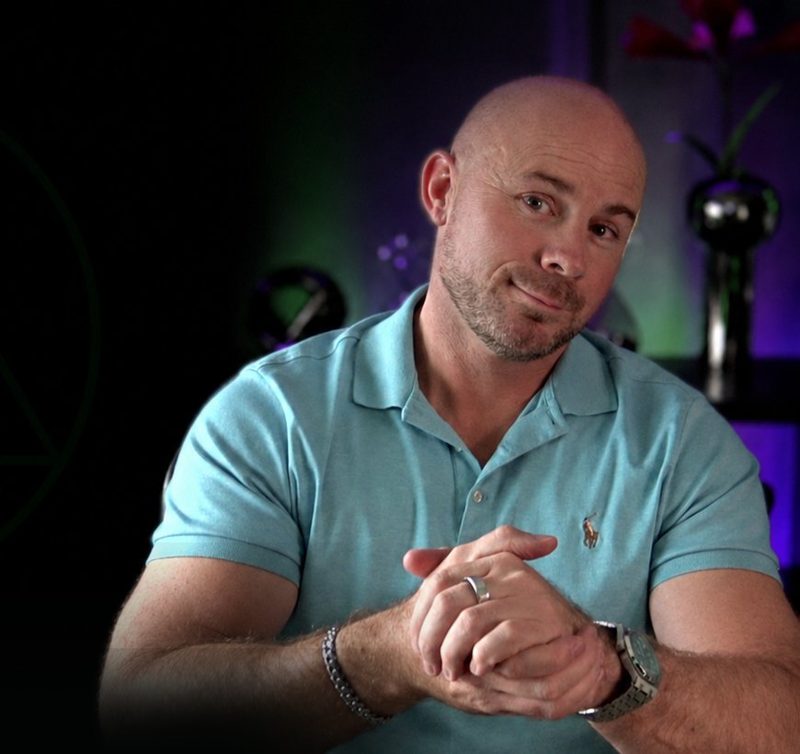
I am Adam Cox, a clinical hypnotherapist with more than 20 years of experience, and journalists and clients call me the Phobia Guru. I work one to one over Zoom with people whose fears are holding them back, including rarer ones like this. Every plan starts with understanding what your fear is really about.
Common questions
How do I stop worrying that I have diabetes?
A GP can check for diabetes with a simple test, and a clear answer often eases the worry. If the fear leads to cutting out foods, so that you are eating much less or losing weight, speak to a GP about that too. Ongoing worry of this kind is often part of health anxiety, which can be helped.
How can you help?
I use hypnotherapy and NLP to change how your mind responds to the thing you fear, so the old alarm stops going off. Sessions are one to one over Zoom, and you get a recording of the hypnosis to listen to afterwards.
How many sessions will I need?
Many clients notice a real difference after one 90 minute session. If the fear goes back a long way, three sessions gives us room to make the change stick.
Further reading: What is health anxiety? Oxford Health NHS Foundation Trust · Hypochondria, NHS 111 Wales
Ready to start?
Book a £49 consultation call and we’ll talk through your fear, or take the free suitability test first.
See all session options and prices
Hypnosis downloads for this fear
Prefer to start on your own? This recorded session from my store is £9.99 and yours to keep.
