
Fear of nosebleeds (epistaxiophobia)
En español: lee sobre este miedo en Fobias.org.
Epistaxiophobia is a fear of nosebleeds. Someone with this fear might panic at a trickle from the nose, avoid blowing it, or worry about a nosebleed starting in public. Frequent or heavy nosebleeds should be checked with a GP.
Many people find that with the right help, a nosebleed becomes something they can deal with calmly, with a tissue and a few minutes.
Use code PHOBIA at checkout for half price: £24.50 instead of £49. Outside the UK? $29.50.
About this phobia
The name comes from the Greek epistaxis, meaning nosebleed, which is still the medical term today. It is an uncommon term found mostly on lists. It overlaps with haemophobia, the fear of blood, and with worries about fainting.
How it shows up
Epistaxiophobia can make a small nosebleed feel like an emergency. People may avoid blowing their nose, worry about bleeding in public or panic at a single drop of blood on a tissue. Some feel faint or dizzy at the sight of blood, which adds a second fear on top of the first. The worry can grow if nosebleeds have happened often or without warning.
Common triggers
- A trickle from the nose
- Blowing the nose
- Dry air or cold weather
- Seeing blood
- Hay fever or colds
- Knocks to the face
- Warm rooms and central heating
Where it shows up
- Work and school
- Public transport
- Meetings and events
- Sport
- Bedtime
- Flights and long trips
Symptoms
In your body
- Racing heart
- Dizziness
- Feeling faint
- Sweating
- Touching the nose often
In your mind
- Fear the bleeding will not stop
- Worry about fainting
- Embarrassment in public
- Linking nosebleeds to serious illness
What you might do
- Avoiding blowing the nose
- Carrying tissues everywhere
- Checking for blood
- Avoiding sport
What may cause it
A frightening nosebleed, especially one that was heavy or happened in public, can start the fear. A fear of blood or fainting often plays a part, as the sight of blood can make some people feel lightheaded. Checking and avoiding bring relief but keep attention fixed on the nose, so every tickle feels like the start of a bleed. There is little clinical writing on epistaxiophobia.
How it can affect your life
It can make people anxious at work or school and lead them to avoid sport or social events. Some feel embarrassed and keep the fear to themselves. Parents with this fear may feel panicked when their own child has a nosebleed.
Related fears
- Fear of blood (haemophobia)
- Fear of fainting (asthenophobia)
- Fear of illness (nosophobia)
Things that can help day to day
- Learn basic first aid for nosebleeds from the NHS website so you know exactly what to do
- Carry tissues in a pocket or bag so you feel prepared wherever you are
- Practise slow breathing when you notice a trickle, as staying calm helps you act
- Remind yourself that most nosebleeds are not serious and settle with simple first aid
When to get help
See a GP if nosebleeds are frequent or heavy, and get urgent help if one will not stop. A therapist can help if the fear is affecting daily life, especially if it overlaps with a fear of blood or fainting.
Explore more unusual fears in the rare phobias A to Z, or browse the common phobias.
About me
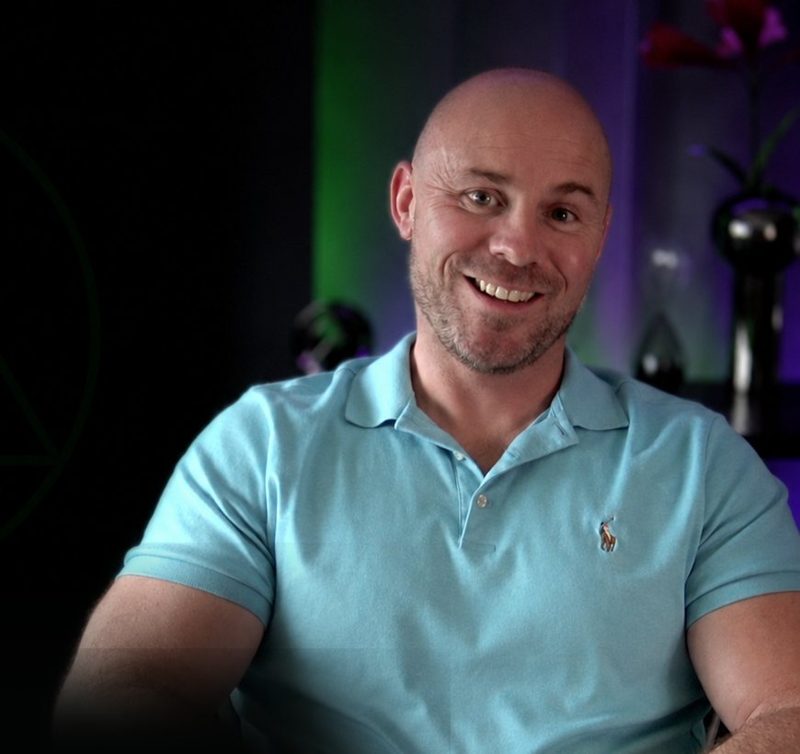
If you’ve tried to talk yourself out of this fear and it hasn’t worked, that isn’t a lack of willpower. A phobia is an alarm your mind learned, and logic alone rarely switches it off.
When a fear is less common, it can be harder to explain, so you may not have told many people about it. I work one to one over Zoom with people whose fears are holding them back, including rarer ones like this, and every plan starts with understanding what your fear is really about.
I’ve spent 17 years in clinical practice and helped more than 1,000 people with phobias. I hold a Postgraduate Certificate and a Postgraduate Diploma in Clinical Hypnotherapy, both with Distinction, and journalists and clients call me the Phobia Guru.
Common questions
Are nosebleeds dangerous?
Most nosebleeds are harmless and stop with simple first aid, such as pinching the soft part of the nose and leaning forward. A GP can check nosebleeds that happen often or are hard to stop. Knowing what to do can make them feel far less frightening.
How can you help?
I use hypnotherapy and NLP to change how your mind responds to the thing you fear, so the old alarm stops going off. Sessions are one to one over Zoom, and you get a recording of the hypnosis to listen to afterwards.
How many sessions will I need?
Many clients notice a real difference after one 90 minute session. If the fear goes back a long way, three sessions gives us room to make the change stick.
Further reading: NHS: Nosebleed · Healthline: Hemophobia · Medical News Today: Fear of blood
Ready to start?
A short call is the simplest next step. We’ll talk about your fear, what you’d like to feel instead, and whether I’m the right person to help.
- Take the free test at the top of this page to see how strong your fear is.
- Book a 30 minute call. Use code PHOBIA at checkout for half price: £24.50 instead of £49 ($29.50 outside the UK).
- Start your sessions over Zoom from wherever you live, or face to face in Hertfordshire.
See all session options and prices