
Fear of getting wrinkles (rhytiphobia)
En español: lee sobre este miedo en Fobias.org.
Rhytiphobia is a fear of getting wrinkles. It goes beyond normal interest in skincare, showing up as close checking of the face in mirrors, avoiding photos, or real distress at small signs of ageing. For some people it is tied to a wider worry about getting older.
About this phobia
The name is drawn from the Greek rhytis, meaning wrinkle, which also appears in rhytidectomy, the medical word for a facelift. It is rarely used outside phobia lists. It often overlaps with gerascophobia, the fear of growing old, and in some cases with body dysmorphic concerns about appearance.
How it shows up
Many people notice new lines on their face and wish they were not there, but someone with this fear may spend long stretches studying their skin, feel real dread at a new crease, or hold back from laughing or frowning. It often comes with constant comparing against other people or old photos. The worry is rarely about the lines themselves and more about what they seem to stand for, such as losing looks, health or worth. That depth of distress is what separates it from ordinary vanity.
Common triggers
- Magnifying mirrors and bright bathroom lights
- Unfiltered photos and video calls
- Birthdays and milestone ages
- Anti-ageing adverts
- Seeing lines when smiling or frowning
- Comments about looking tired
- Old photos that show how you used to look
Where it shows up
- Bathroom mirrors
- Social media feeds
- Weddings and photo-heavy events
- Shop changing rooms
- Video calls at work
Symptoms
In your body
- Tension in the face and jaw
- Racing heart at the mirror
- Tiredness from poor sleep
- Hot, flushed feeling
- Tired, strained eyes from close checking
In your mind
- Constant thoughts about ageing
- Comparing your face with others
- Feeling less valuable with age
- Fear of being overlooked as you age
What you might do
- Checking skin many times a day
- Avoiding photos
- Holding back smiles or frowns
- Spending heavily on products or treatments
What may cause it
There is little research on this fear by name. It can be fed by adverts and media that treat ageing as a problem, by a family focus on appearance, or by a big birthday or loss. For some people it is part of a wider fear of growing old or of death. Checking and asking for reassurance bring brief comfort but keep attention fixed on the face.
How it can affect your life
It can take up hours each week, drain money and knock confidence at work and in relationships. Avoiding the camera can also mean missing out on family photos and memories. Some people start turning down social plans on days when they feel their skin looks worse.
Related fears
- Fear of growing old (gerascophobia)
- Body dysmorphic concerns
- Fear of being judged on looks
- Fear of death (thanatophobia)
Things that can help day to day
- Set a limit on mirror checks and use softer lighting at home
- Follow people online who show real, unfiltered ageing
- List the qualities you admire in older people you know
- Join in with photos and notice how others actually react
When to get help
If worry about your appearance takes up hours each day or is pulling your mood down, see a GP, who can talk about support for body image concerns. Talking therapy can also help with a wider fear of ageing.
Explore more unusual fears in the rare phobias A to Z, or browse the common phobias.
About me
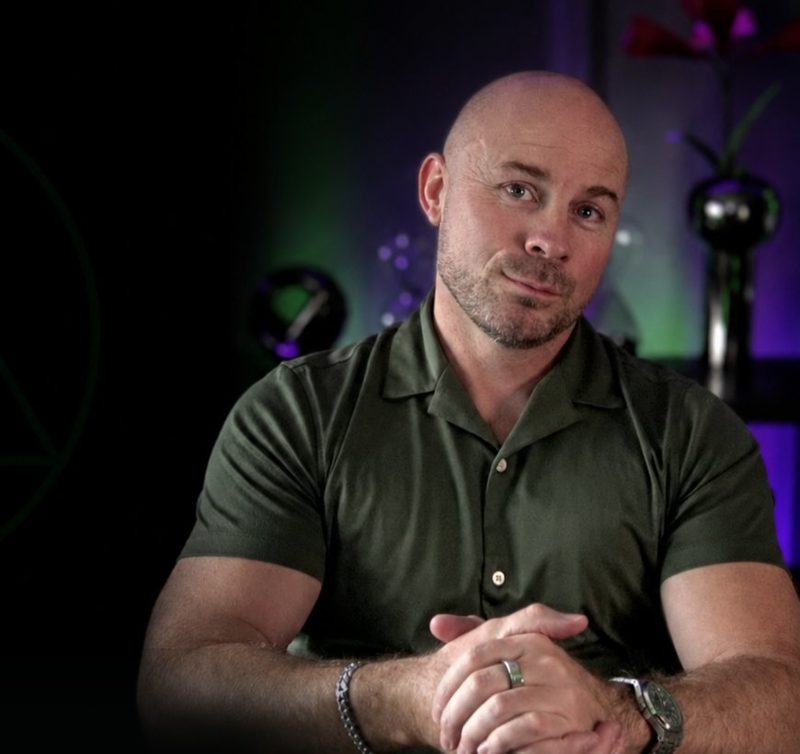
I am Adam Cox, a clinical hypnotherapist with more than 20 years of experience, and journalists and clients call me the Phobia Guru. I work one to one over Zoom with people whose fears are holding them back, including rarer ones like this. Every plan starts with understanding what your fear is really about.
Common questions
When does worry about wrinkles become a problem?
Most people notice their skin changing and care about it to some degree. It becomes more of a problem when the worry takes up a lot of time, leads to avoiding people or photos, or drives repeated treatments that never feel like enough. In that case, talking to a GP about how much it is affecting you is a sensible step.
How can you help?
I use hypnotherapy and NLP to change how your mind responds to the thing you fear, so the old alarm stops going off. Sessions are one to one over Zoom, and you get a recording of the hypnosis to listen to afterwards.
How many sessions will I need?
Many clients notice a real difference after one 90 minute session. If the fear goes back a long way, three sessions gives us room to make the change stick.
Further reading: University of Liverpool: Fear of ageing · NHS: Body dysmorphic disorder · NHS: Phobias
Ready to start?
Book a £49 consultation call and we’ll talk through your fear, or take the free suitability test first.
See all session options and prices
Hypnosis downloads for this fear
Prefer to start on your own? This recorded session from my store is £9.99 and yours to keep.
