
Fear of ghosts (phasmophobia)
En español: lee sobre este miedo en Fobias.org.
A fear of ghosts can show up in the dark, in old houses, on a night alone or after a scary film. It can make bedtime hard, and it can be helped.
Many people find that with the right help, bedtime and nights alone feel calm again, even in an old house.
Use code PHOBIA at checkout for half price: £24.50 instead of £49. Outside the UK? $29.50.
Understanding this fear
Phasmophobia is an intense fear of ghosts and the supernatural. Plenty of people enjoy a spooky story and feel a shiver afterwards, but with this fear the shiver does not fade. A creak on the landing or a shadow in a doorway can set off real panic, sleepless nights and a strong need to keep the lights on. It is less about whether ghosts exist and more about how your body reacts when your mind says they might.
It often starts in childhood and can carry on into adult life, sometimes for years. Psych Central notes that it is not a separate diagnosis, but it can be classed as a specific phobia when it is severe. It often travels with other fears, especially a fear of the dark and a fear of being alone, and it is not always clear which came first. Cultural or religious upbringing, horror films and ghost stories told by older children all play a part in shaping it.
Common triggers
- Unexplained creaks, taps or footsteps at night
- Shadows or shapes in a dark corner
- Horror films, trailers and ghost stories
- Halloween decorations and costumes
- Talk of graveyards, burials or the afterlife
- A door that moves on its own in a draught
- Waking suddenly in the small hours
- Mirrors in a dim room
- Being alone in the house
Where it shows up
- Your own bedroom with the lights off
- Old houses, castles and stately homes
- Hotel rooms and holiday lets
- Churches and churchyards
- Lofts, cellars and under-stairs cupboards
- Landings and bathrooms at night
- Ghost tours and so-called haunted pubs
Symptoms
In your body
- Racing heart when you hear a noise
- Freezing in place or holding your breath
- Prickling skin or hair standing on end
- Sweating and feeling hot under the covers
- Tense muscles that make sleep impossible
- Tiredness the next day from broken sleep
In your mind
- Something is in the room with me
- Every sound must have a supernatural cause
- A sense of being watched from behind
- Vivid pictures of faces or figures
- Embarrassment at being frightened as an adult
What you might do
- Sleeping with lights, TV or radio on
- Refusing to sleep alone or asking someone to stay
- Avoiding the bathroom at night
- Checking wardrobes, under beds and behind doors
- Steering clear of scary films and conversations
- Small rituals to keep the fear away
What causes it
Doctors do not fully understand why some people develop this fear. For many it traces back to a scary film seen too young, a ghost story that stuck or a frightening night in a place said to be haunted. Children also pick up fear from adults, so a parent who is uneasy about the supernatural can pass that on without meaning to. Our brains are wired to treat the unknown and the unseen as possible threats, and darkness takes away the visual clues that would normally reassure us. Each time you leave the light on or avoid a room, the relief teaches your brain that the danger was real, which keeps the fear going.
How it can affect your life
The biggest cost is usually sleep. Broken nights lead to tired, foggy days and lower energy at work or school. Some people avoid staying away from home, which can affect holidays, work trips and visits to family. Adults often feel too embarrassed to tell anyone, so they cope alone, and parents can find a child’s fear turning every bedtime into a long battle.
Things that can help day to day
- Build a calm bedtime routine with no scary content in the hour before sleep
- Use a soft night light rather than every light in the house
- Name the ordinary cause of a sound, such as pipes cooling or the house settling
- Practise slow breathing and relaxing each muscle group while lying in bed
- For parents, listen without teasing and avoid searching the room for ghosts together, which can confirm the fear
When to get help
It is worth getting help if the fear is stopping you sleeping, making you avoid being alone or keeping you from trips and places you would like to go. If a child’s fear is lasting for months or getting worse, a chat with your GP or school nurse is a good starting point. Your GP is also the first port of call if anxiety is affecting your daily life more widely.
How I can help
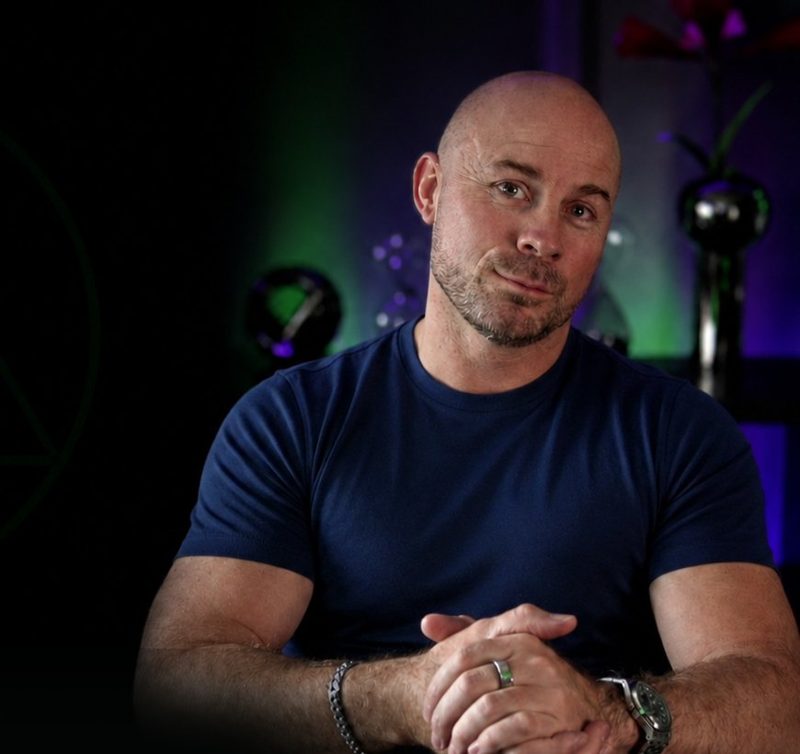
If you’ve tried to talk yourself out of this fear and it hasn’t worked, that isn’t a lack of willpower. A phobia is an alarm your mind learned, and logic alone rarely switches it off.
Over Zoom, I help you find where the fear first took hold, whether that was a film, a story or a night that frightened you. In hypnosis we revisit that memory from a safe distance, and I use NLP so it stops replaying at full volume. Then we rehearse your evenings calmly in your mind, from switching off the lights to settling into sleep, so your body learns to stay relaxed. Many clients find that ordinary night sounds go back to being just background noise.
I’ve spent 17 years in clinical practice and helped more than 1,000 people with phobias. I hold a Postgraduate Certificate and a Postgraduate Diploma in Clinical Hypnotherapy, both with Distinction.
Common questions
Why am I more scared of ghosts at night?
Darkness removes the visual clues that normally tell your brain you are safe, and quiet makes small sounds seem louder. Tiredness also makes it harder to think things through calmly. It is a normal response, just turned up too high.
Will my child grow out of a fear of ghosts?
Many children do as they get older and understand more about how the world works. If the fear is lasting, getting worse or disrupting sleep for the whole family, it is worth getting support rather than waiting.
Should I stop watching horror films?
While you are working on the fear, it helps to step back from content that feeds it, especially before bed. Once you feel calmer, some people enjoy them again as a safe scare, and that choice is yours.
Do I have to believe in ghosts to fear them?
No. Many people who do not believe in ghosts still feel frightened in the dark or after a creepy story. The fear response is real even when your logic says there is nothing there, and that is what we work with.
How can you help?
I use hypnotherapy and NLP to change how your mind responds to the thing you fear, so the old alarm stops going off. Sessions are one to one over Zoom, and you get a recording of the hypnosis to listen to afterwards.
How many sessions will I need?
Many clients notice a real difference after one 90 minute session. If the fear goes back a long way, three sessions gives us room to make the change stick.
Further reading: Medical News Today: Phasmophobia · Healthline: Phasmophobia · Psych Central: Phasmophobia
Ready to start?
A short call is the simplest next step. We’ll talk about your fear, what you’d like to feel instead, and whether I’m the right person to help.
- Take the free test at the top of this page to see how strong your fear is.
- Book a 30 minute call. Use code PHOBIA at checkout for half price: £24.50 instead of £49 ($29.50 outside the UK).
- Start your sessions over Zoom from wherever you live, or face to face in Hertfordshire.
See all session options and prices