
Fear of glass (hyalophobia)
En español: lee sobre este miedo en Fobias.org.
Hyalophobia is a fear of glass. It can focus on glass breaking, sharp edges, walking near glass doors and windows, or eating and drinking from glass. Some people switch to plastic cups at home or keep away from glass-fronted lifts and balconies.
Many people find that with the right help, glass doors, windows and glassware become ordinary things again.
Use code PHOBIA at checkout for half price: £24.50 instead of £49. Outside the UK? $29.50.
About this phobia
The name comes from the Greek hyalos, meaning glass. It is a rarely reported term with little clinical writing behind it, and similar lists also give crystallophobia for a fear of glass or crystal. For many people the core worry is being cut, which links it to fears of injury and sharp objects.
How it shows up
Being careful with glass makes sense, but hyalophobia turns everyday objects into sources of fear. Drinking from a glass, walking past shop windows or sitting at a glass table can feel risky. Some people worry about glass shattering, while others fear swallowing tiny shards or being cut. The fear can be strong enough to change what someone buys, where they sit and how they eat.
Common triggers
- The sound of glass breaking
- Glass doors and walls
- Drinking from glasses
- Glass lifts or floors
- Cracked screens or windows
- Broken bottles on pavements
- Glasses clinking at parties
Where it shows up
- Kitchens and dining rooms
- Shopping centres
- Office buildings with glass walls
- Pubs and restaurants
- Bathrooms with glass shower screens
- Bus shelters and shop fronts
Symptoms
In your body
- Flinching
- Shaky hands
- Racing heart
- Tense muscles
- Wincing at sharp sounds
In your mind
- Picturing cuts or injury
- Worry about swallowing glass
- Feeling unsafe in glass rooms
- Expecting glass to break at any moment
What you might do
- Using plastic or metal cups
- Avoiding glass buildings
- Checking food and drink for shards
- Keeping away from windows
What may cause it
There is very little research on hyalophobia, so what is known comes from how specific fears tend to work. It may follow a cut or accident involving glass, such as walking into a glass door or a bottle breaking in the hand, or seeing that happen to someone else. Some people with health anxiety or OCD-type worries fear hidden fragments in food or drink, and checking becomes a habit. Avoidance gives relief but keeps the link between glass and danger strong, because there is no chance to learn that most glass stays whole.
How it can affect your life
The fear can make eating out, shopping and modern glass-fronted workplaces harder. It may lead to frequent checking of food and drink, which takes time and draws attention. People can feel embarrassed about needing different cups or seats when out with others.
Related fears
- Fear of sharp objects (aichmophobia)
- Fear of injury (traumatophobia)
- Fear of blood (haemophobia)
- Fear of glass or crystal (crystallophobia)
Things that can help day to day
- Start by holding a sturdy glass at home while seated
- Use toughened glassware at first
- Look at images of glass buildings before visiting one
- Notice checking habits and cut them back slowly
When to get help
If you have been cut or think you have swallowed glass, get medical help straight away through NHS 111 or A and E. If the fear itself is affecting daily life, speak to your GP about talking therapy.
Explore more unusual fears in the rare phobias A to Z, or browse the common phobias.
About me
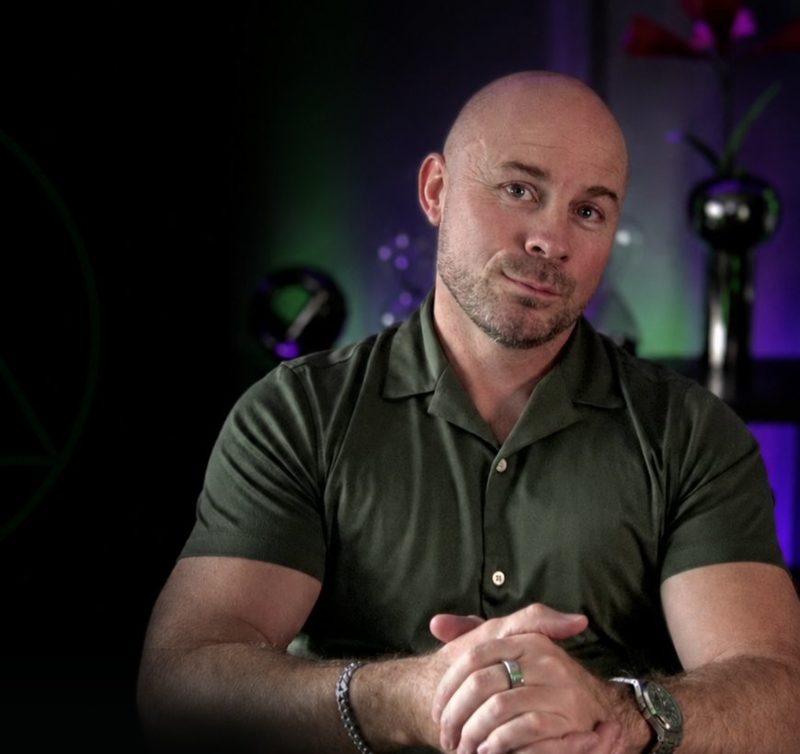
If you’ve tried to talk yourself out of this fear and it hasn’t worked, that isn’t a lack of willpower. A phobia is an alarm your mind learned, and logic alone rarely switches it off.
When a fear is less common, it can be harder to explain, so you may not have told many people about it. I work one to one over Zoom with people whose fears are holding them back, including rarer ones like this, and every plan starts with understanding what your fear is really about.
I’ve spent 17 years in clinical practice and helped more than 1,000 people with phobias. I hold a Postgraduate Certificate and a Postgraduate Diploma in Clinical Hypnotherapy, both with Distinction, and journalists and clients call me the Phobia Guru.
Common questions
Is fear of glass usually about being cut?
Often, yes. Many people with this fear picture glass shattering and causing injury, so it links closely to aichmophobia, the fear of sharp objects. For others the worry is more about breaking something or the sound itself.
How can you help?
I use hypnotherapy and NLP to change how your mind responds to the thing you fear, so the old alarm stops going off. Sessions are one to one over Zoom, and you get a recording of the hypnosis to listen to afterwards.
How many sessions will I need?
Many clients notice a real difference after one 90 minute session. If the fear goes back a long way, three sessions gives us room to make the change stick.
Further reading: Cleveland Clinic: Aichmophobia · Medical News Today: Aichmophobia · Healthline: Hemophobia
Ready to start?
A short call is the simplest next step. We’ll talk about your fear, what you’d like to feel instead, and whether I’m the right person to help.
- Take the free test at the top of this page to see how strong your fear is.
- Book a 30 minute call. Use code PHOBIA at checkout for half price: £24.50 instead of £49 ($29.50 outside the UK).
- Start your sessions over Zoom from wherever you live, or face to face in Hertfordshire.
See all session options and prices