
Fear of God (theophobia)
En español: lee sobre este miedo en Fobias.org.
Theophobia is a fear of God or gods, which can range from anxiety about divine punishment to dread around religious ideas, places or practices. It may show up as intrusive worries about sin, avoiding places of worship, or feeling distressed by religious images.
Many people find that with the right help, faith or the idea of God feels calmer and less frightening.
Use code PHOBIA at checkout for half price: £24.50 instead of £49. Outside the UK? $29.50.
About this phobia
The name comes from the Greek theos, meaning god. It is a rare term and is different from the reverent fear of God described in many faiths, which is often about respect rather than terror. Persistent worry about sin or offending God is sometimes described as scrupulosity, a religious form of obsessive compulsive patterns.
How it shows up
For many believers, a sense of awe or reverent fear of God is part of faith and brings comfort. Theophobia is different: the feelings are terror, guilt or dread that leave a person feeling unsafe rather than held. It can affect people with strong faith, people who have left a religion and people raised on frightening images of punishment. What marks it out is how much distress it causes and how it begins to shape daily life.
Common triggers
- Sermons about judgement or punishment
- Thoughts that feel sinful or blasphemous
- Religious images, music or texts
- Places of worship
- Talk of the afterlife
- Religious festivals and family rituals
- Pictures of hell or the devil
Where it shows up
- Churches, mosques, temples and synagogues
- Faith schools or religious groups
- Family events with religious parts
- Quiet moments alone at night
- Funerals and memorial services
Symptoms
In your body
- Tight chest or racing heart
- Sweating and trembling
- Trouble sleeping
- A sinking feeling in the stomach
In your mind
- Fear of being punished or condemned
- Intrusive thoughts that feel offensive
- Constant doubt about having done wrong
- Feeling unworthy or watched
What you might do
- Avoiding places of worship
- Repeating prayers or rituals to feel safe
- Seeking reassurance from faith leaders
- Steering clear of religious conversation
What may cause it
Little research exists on theophobia by name, but fears of religious punishment are well described, especially within scrupulosity. Strict or fear-based teaching in childhood, a painful experience in a religious setting, or a tendency towards obsessive doubt can all play a part. Rituals and reassurance can ease the fear for a while. Yet they often teach the mind that the threat needs constant guarding.
How it can affect your life
The fear can damage a person’s relationship with their own faith, their family and their community. It can also bring heavy guilt and take up a lot of time in rituals or checking. People who have stepped away from a faith may find that the fear lingers long after their beliefs have changed.
Related fears
- Religious scrupulosity
- Fear of hell (stygiophobia)
- Fear of sin (hamartophobia)
- Fear of religion
Things that can help day to day
- Remember that a thought is not the same as an action
- Talk with a faith leader you trust who is known for kindness
- Gently cut back on rituals done only to calm fear
- Write worries down and set them aside for a set time
When to get help
If religious fears are causing daily distress, intrusive thoughts or repeated rituals, speak to your GP or a therapist. A good therapist will respect your beliefs while helping with the anxiety.
Explore more unusual fears in the rare phobias A to Z, or browse the common phobias.
About me
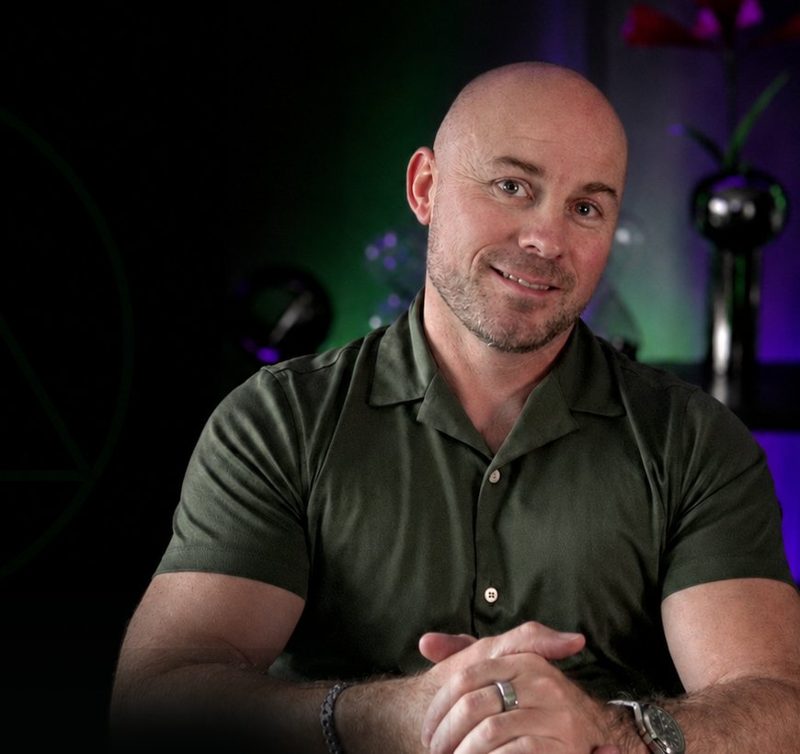
If you’ve tried to talk yourself out of this fear and it hasn’t worked, that isn’t a lack of willpower. A phobia is an alarm your mind learned, and logic alone rarely switches it off.
When a fear is less common, it can be harder to explain, so you may not have told many people about it. I work one to one over Zoom with people whose fears are holding them back, including rarer ones like this, and every plan starts with understanding what your fear is really about.
I’ve spent 17 years in clinical practice and helped more than 1,000 people with phobias. I hold a Postgraduate Certificate and a Postgraduate Diploma in Clinical Hypnotherapy, both with Distinction, and journalists and clients call me the Phobia Guru.
Common questions
Is fear of God the same as theophobia?
Not always. In many faiths, fearing God means awe and respect, which is quite different from a phobia. Theophobia describes fear that causes real distress or avoidance, and a sensitive faith leader or counsellor can be helpful alongside other support.
How can you help?
I use hypnotherapy and NLP to change how your mind responds to the thing you fear, so the old alarm stops going off. Sessions are one to one over Zoom, and you get a recording of the hypnosis to listen to afterwards.
How many sessions will I need?
Many clients notice a real difference after one 90 minute session. If the fear goes back a long way, three sessions gives us room to make the change stick.
Further reading: NHS: Obsessive compulsive disorder · NHS: Phobias
Ready to start?
A short call is the simplest next step. We’ll talk about your fear, what you’d like to feel instead, and whether I’m the right person to help.
- Take the free test at the top of this page to see how strong your fear is.
- Book a 30 minute call. Use code PHOBIA at checkout for half price: £24.50 instead of £49 ($29.50 outside the UK).
- Start your sessions over Zoom from wherever you live, or face to face in Hertfordshire.
See all session options and prices