
Fear of church (ecclesiophobia)
Ecclesiophobia is a fear of church. It can make weddings, funerals and christenings stressful, and some people feel uneasy just walking past a church or hearing the bells.
Many people find that with the right help, a wedding, a funeral or a christening in a church becomes something they can be there for calmly.
Use code PHOBIA at checkout for half price: £24.50 instead of £49. Outside the UK? $29.50.
About this phobia
The name comes from the Greek ekklesia, first meaning a gathering or assembly and later used for the church. It is a rare term found mostly on lists, one of several fears tied to religious settings. It may link to feelings about religion, crowds, enclosed spaces or past experiences.
How it shows up
Ecclesiophobia can affect people of any faith or none. Some feel uneasy in the building itself, with its high ceilings, echoes and heavy silence, while others are troubled by rituals, sermons or the crowd packed into the pews. For some it is tied to painful past experiences in a church setting, which can come flooding back at the sound of a hymn. Family occasions often bring it to the surface, at times when staying away is hard to explain.
Common triggers
- Church bells
- Walking into a church
- Services or rituals
- Funerals and weddings
- Sermons about guilt or judgement
- Crowds in enclosed spaces
- Organ music or hymns
Where it shows up
- Churches and cathedrals
- Church schools
- Family ceremonies
- Sightseeing in historic churches
- Religious broadcasts
- Christmas and Easter events
Symptoms
In your body
- Racing heart
- Tight chest
- Sweating
- Feeling faint
- Lump in the throat
In your mind
- Feeling judged
- Guilt or shame
- Painful memories
- Fear of being trapped
What you might do
- Avoiding church events
- Standing near exits
- Leaving early
- Making excuses to miss family occasions
What may cause it
Past experiences in a church, such as strict teaching, fear of judgement or difficult memories of a funeral, can lie behind the fear. Crowds, silence and enclosed spaces may play a part too, as may the sense of being expected to behave in a certain way. For some, it is linked to past mistreatment in a religious setting. There is little research on ecclesiophobia as a phobia in its own right.
How it can affect your life
It can make family occasions stressful and lead to missing events that matter. Some people feel guilty or misunderstood by relatives who attend church. Grief can feel harder when it is not possible to attend a funeral.
Related fears
- Fear of religion (theophobia)
- Fear of crowds (enochlophobia)
- Fear of enclosed spaces (claustrophobia)
Things that can help day to day
- Visit a quiet church when it is empty, for a few minutes at a time
- Sit near the back or by an exit at events
- Plan something calming for after a service
- Talk with someone you trust about the feelings and memories that come up
When to get help
If the fear links to past mistreatment in a religious setting, a GP or specialist counsellor can help you find support in confidence. Speak to your GP if anxiety is stopping you from attending events that matter to you, such as a family funeral.
Explore more unusual fears in the rare phobias A to Z, or browse the common phobias.
About me
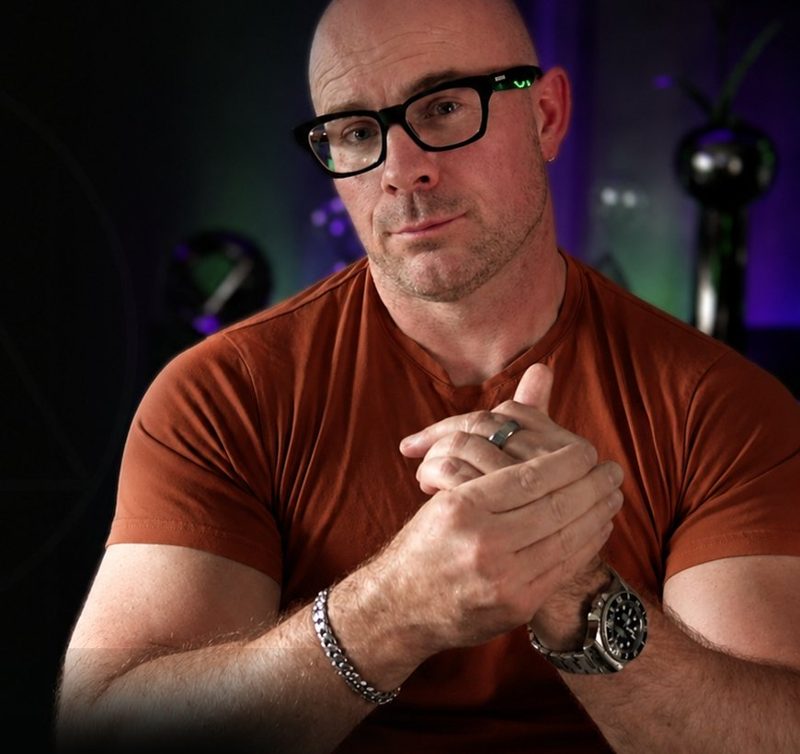
If you’ve tried to talk yourself out of this fear and it hasn’t worked, that isn’t a lack of willpower. A phobia is an alarm your mind learned, and logic alone rarely switches it off.
When a fear is less common, it can be harder to explain, so you may not have told many people about it. I work one to one over Zoom with people whose fears are holding them back, including rarer ones like this, and every plan starts with understanding what your fear is really about.
I’ve spent 17 years in clinical practice and helped more than 1,000 people with phobias. I hold a Postgraduate Certificate and a Postgraduate Diploma in Clinical Hypnotherapy, both with Distinction, and journalists and clients call me the Phobia Guru.
Common questions
Can someone fear church but still have faith?
Yes. The fear may have more to do with the building, the crowd or past events than with belief. If it is linked to something that happened to you in a religious setting, a GP or a specialist counsellor can help.
How can you help?
I use hypnotherapy and NLP to change how your mind responds to the thing you fear, so the old alarm stops going off. Sessions are one to one over Zoom, and you get a recording of the hypnosis to listen to afterwards.
How many sessions will I need?
Many clients notice a real difference after one 90 minute session. If the fear goes back a long way, three sessions gives us room to make the change stick.
Further reading: NHS: Agoraphobia · NHS: Claustrophobia · NHS: Phobias
Ready to start?
A short call is the simplest next step. We’ll talk about your fear, what you’d like to feel instead, and whether I’m the right person to help.
- Take the free test at the top of this page to see how strong your fear is.
- Book a 30 minute call. Use code PHOBIA at checkout for half price: £24.50 instead of £49 ($29.50 outside the UK).
- Start your sessions over Zoom from wherever you live, or face to face in Hertfordshire.
See all session options and prices