
Fear of good news (euphobia)
Euphobia is a fear of hearing good news. It can sound odd, but some people feel uneasy when things go well, bracing for something to go wrong or feeling they do not deserve it. A promotion, a positive result or a happy announcement may bring tension rather than relief.
Many people find that with the right help, good news can simply be enjoyed, without bracing for what comes next.
Use code PHOBIA at checkout for half price: £24.50 instead of £49. Outside the UK? $29.50.
About this phobia
The word joins the Greek eu, meaning good or well, with phobia. It is not a recognised clinical diagnosis and is mostly found on lists of unusual fears. A related idea that gets more attention is cherophobia, a fear or distrust of happiness itself.
How it shows up
Many people feel a flicker of caution when life goes well, but euphobia goes further. A phone call saying the job is yours, or a scan that comes back clear, can bring dread instead of joy, as if the good news is a setup for something worse. People may play it down, refuse to celebrate, or wait weeks for the catch. Unlike modesty or sensible caution, the reaction is out of proportion and hard to switch off.
Common triggers
- Being offered a job or promotion
- A clear medical result
- Pregnancy or engagement announcements
- Praise in front of others
- Winning a prize or competition
- Plans that are going smoothly
- Friends sharing their own happy news
Where it shows up
- Work meetings and appraisals
- Birthdays and celebrations
- Family gatherings with big announcements
- Quiet moments right after a success
- Social media when good news is posted
Symptoms
In your body
- Sudden knot in the stomach
- Fast heartbeat
- Feeling flat or numb
- Tension in the shoulders and jaw
In your mind
- Waiting for the catch
- Feeling undeserving
- Superstitious thoughts about jinxing things
- Guilt about others who are worse off
What you might do
- Playing down achievements
- Avoiding celebrations or leaving early
- Delaying telling people good news
- Turning down opportunities
What may cause it
Research on euphobia itself is almost non-existent, but writing on the fear of happiness suggests some people learn that good times tend to be followed by bad ones. This might come from a childhood where happy moments were cut short by conflict, or from a period when a run of luck ended in loss. Some families and cultures also pass on the belief that celebrating too openly invites trouble. The habit of bracing can then feel protective, which keeps it going.
How it can affect your life
People with this fear can miss out on the small rewards that help keep mood steady. They may turn down promotions, hide news from loved ones, or spoil their own milestones with worry. Over time it can leave life feeling like a long wait for the next problem.
Related fears
- Fear of happiness (cherophobia)
- Fear of success
- Fear of the unknown
- Fear of failure (atychiphobia)
Things that can help day to day
- Say thank you to praise without adding a but
- Keep a short note of good things that did not go wrong
- Share one piece of good news with a person you trust
- Label superstitious thoughts as habits rather than facts
When to get help
If dread around good news is spoiling relationships, work or your mood most of the time, a GP is a good first step. They can talk through how you are feeling and refer you to talking therapy.
Explore more unusual fears in the rare phobias A to Z, or browse the common phobias.
About me
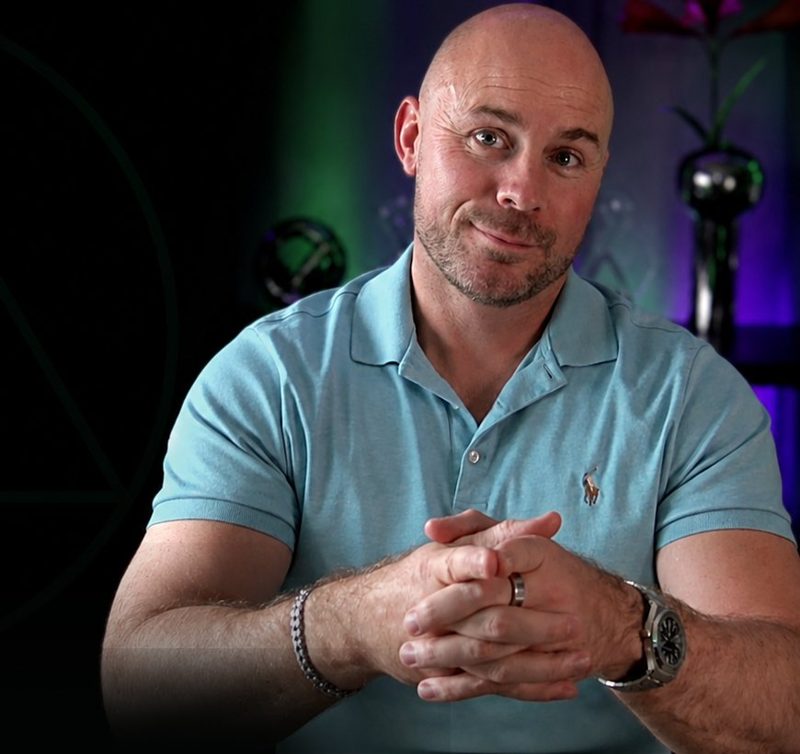
If you’ve tried to talk yourself out of this fear and it hasn’t worked, that isn’t a lack of willpower. A phobia is an alarm your mind learned, and logic alone rarely switches it off.
When a fear is less common, it can be harder to explain, so you may not have told many people about it. I work one to one over Zoom with people whose fears are holding them back, including rarer ones like this, and every plan starts with understanding what your fear is really about.
I’ve spent 17 years in clinical practice and helped more than 1,000 people with phobias. I hold a Postgraduate Certificate and a Postgraduate Diploma in Clinical Hypnotherapy, both with Distinction, and journalists and clients call me the Phobia Guru.
Common questions
Why would anyone be afraid of good news?
Some people learn to expect that good times are followed by bad ones, so good news can feel like a warning rather than a gift. Others worry about the new expectations or pressure that may come with it. These patterns are understandable and worth talking through with someone you trust or a professional.
How can you help?
I use hypnotherapy and NLP to change how your mind responds to the thing you fear, so the old alarm stops going off. Sessions are one to one over Zoom, and you get a recording of the hypnosis to listen to afterwards.
How many sessions will I need?
Many clients notice a real difference after one 90 minute session. If the fear goes back a long way, three sessions gives us room to make the change stick.
Further reading: What Is Cherophobia? How to Overcome a Fear of Happiness, PositivePsychology.com · Cherophobia is the fear of being happy, ScienceAlert
Ready to start?
A short call is the simplest next step. We’ll talk about your fear, what you’d like to feel instead, and whether I’m the right person to help.
- Take the free test at the top of this page to see how strong your fear is.
- Book a 30 minute call. Use code PHOBIA at checkout for half price: £24.50 instead of £49 ($29.50 outside the UK).
- Start your sessions over Zoom from wherever you live, or face to face in Hertfordshire.
See all session options and prices