
Fear of gravity (barophobia)
Barophobia is a fear of gravity, which sounds odd until you think about what gravity does: it makes things fall, including us. In practice it may show up as worry about falling, things dropping from above, or the pull felt on fast rides and in lifts. Some people also describe a fear of gravity suddenly stopping or changing.
Many people find that with the right help, they feel steady on their feet and the worry about falling settles.
Use code PHOBIA at checkout for half price: £24.50 instead of £49. Outside the UK? $29.50.
About this phobia
The term comes from the Greek baros, meaning weight, the same root as barometer. It is found mostly on lists of unusual phobias rather than in clinical writing. In everyday terms it overlaps with fears of falling, heights and fairground rides.
How it shows up
People with barophobia rarely think about gravity itself all day. More often the fear appears as a sinking, falling feeling at certain moments, or as a worry that things overhead will come crashing down. A few describe something stranger: a dread that gravity could stop working and they would float away, which can feel very real at night or when anxious. The difference from ordinary nerves is that the reaction is strong, lasts, and leads to steering clear of everyday things.
Common triggers
- The drop when a lift starts or stops
- Rollercoasters and fast rides
- Turbulence on a flight
- Heavy objects on high shelves
- Thinking about space or weightlessness
- Slipping or losing balance
Where it shows up
- Lifts and escalators
- Theme parks and fairgrounds
- Aeroplanes
- Warehouses and shops with tall shelving
- Stairs, ladders and icy pavements
Symptoms
In your body
- Stomach lurching or a hollow feeling
- Dizziness or feeling unsteady
- Gripping rails or furniture
- Sweaty palms and racing pulse
In your mind
- Thoughts of falling or being crushed
- Feeling that the ground is not solid
- Worry about floating away or losing control
What you might do
- Taking the stairs instead of a lift
- Avoiding rides, flights or high shelves
- Holding onto something when standing
- Asking others to reach or carry things
What may cause it
Little is written about barophobia itself, so it is best understood through related fears such as fear of falling and of heights. A fall, a bad moment on a ride or a frightening flight can leave the body primed to react to any sense of dropping. Dizziness or balance problems can feed the fear too, which is one reason a health check is worth having if you often feel unsteady. Once the fear is in place, avoiding lifts or rides stops you learning that the feeling passes safely.
How it can affect your life
Simple trips can become complicated when lifts, escalators or flights feel out of bounds. Some people also restrict how they move, walking slowly and holding on, which can make them less steady and more worried in turn.
Related fears
- Fear of falling (basophobia)
- Fear of heights (acrophobia)
- Fear of flying (aerophobia)
Things that can help day to day
- Stand with your feet planted and notice the floor holding you up
- Try short lift rides with someone you trust, one floor at a time
- Breathe slowly through the stomach lurch and let it rise and fall
- Learn a little about how lifts and planes are kept safe
When to get help
If you feel dizzy, unsteady or have had falls, see your GP first to rule out a physical cause. If the fear is stopping you travelling or using everyday buildings, it is worth seeking support.
Explore more unusual fears in the rare phobias A to Z, or browse the common phobias.
About me
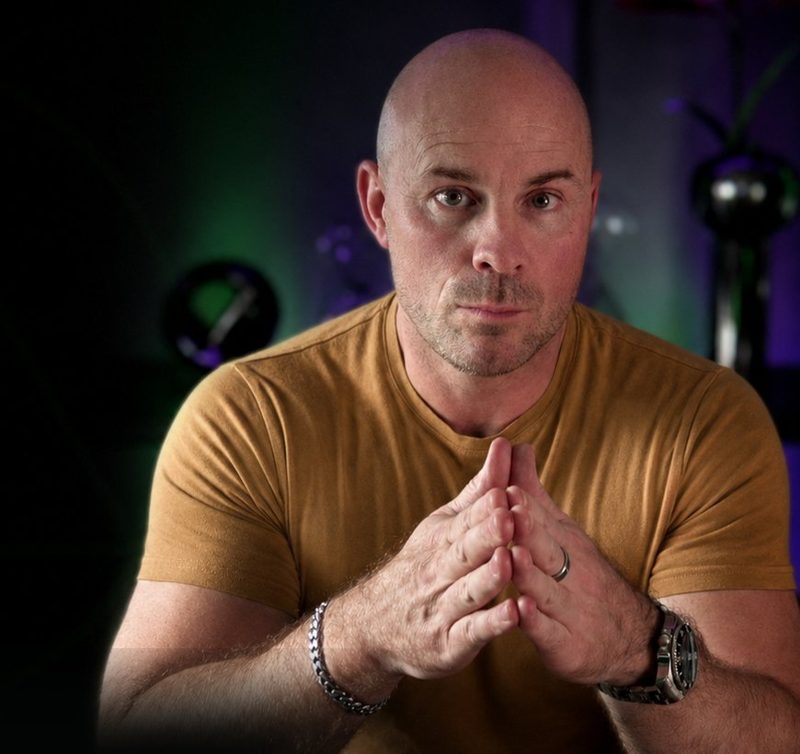
If you’ve tried to talk yourself out of this fear and it hasn’t worked, that isn’t a lack of willpower. A phobia is an alarm your mind learned, and logic alone rarely switches it off.
When a fear is less common, it can be harder to explain, so you may not have told many people about it. I work one to one over Zoom with people whose fears are holding them back, including rarer ones like this, and every plan starts with understanding what your fear is really about.
I’ve spent 17 years in clinical practice and helped more than 1,000 people with phobias. I hold a Postgraduate Certificate and a Postgraduate Diploma in Clinical Hypnotherapy, both with Distinction, and journalists and clients call me the Phobia Guru.
Common questions
Is barophobia really a fear of gravity itself?
For most people who use the word, the fear is about what gravity causes, such as falling or being pulled down, rather than the force itself. That makes it close to a fear of falling. Looking at which situations set it off is usually more useful than the label.
How can you help?
I use hypnotherapy and NLP to change how your mind responds to the thing you fear, so the old alarm stops going off. Sessions are one to one over Zoom, and you get a recording of the hypnosis to listen to afterwards.
How many sessions will I need?
Many clients notice a real difference after one 90 minute session. If the fear goes back a long way, three sessions gives us room to make the change stick.
Further reading: Barophobia (Fear of Gravity) (Cleveland Clinic)
Ready to start?
A short call is the simplest next step. We’ll talk about your fear, what you’d like to feel instead, and whether I’m the right person to help.
- Take the free test at the top of this page to see how strong your fear is.
- Book a 30 minute call. Use code PHOBIA at checkout for half price: £24.50 instead of £49 ($29.50 outside the UK).
- Start your sessions over Zoom from wherever you live, or face to face in Hertfordshire.
See all session options and prices