
Fear of hair (chaetophobia)
En español: lee sobre este miedo en Fobias.org.
Chaetophobia is a fear of hair, which may focus on loose hairs, body hair, hairy animals or hair in food. For some it means feeling sick at a strand in the shower drain, while others feel uneasy around very hairy people or pets.
About this phobia
The name is usually traced to the Greek chaite, meaning long hair or mane. It is rare and has little clinical documentation behind it. It overlaps closely with trichophobia, another name given for a fear of hair, and both appear mainly on lists of phobias.
How it shows up
For people with chaetophobia, a single loose hair can feel overwhelming. Some are troubled only by hair that is not attached, such as strands in the bath or on a jumper, while others feel uneasy around body hair, long beards or very furry animals. The reaction is usually a mix of fear and disgust, and it can be hard to explain to others. It goes beyond the normal dislike of finding hair in your food, because it shapes daily routines.
Common triggers
- Loose hairs in sinks, showers or plugholes
- Hair in food
- Pet hair on clothes and furniture
- Thick body hair
- Hairbrushes and clumps of hair
- Hairdressers’ floors
- Hair on pillows and bedding
Where it shows up
- Bathrooms, especially shared ones
- Hairdressers and barbers
- Homes with cats or dogs
- Restaurants and cafes
- Gym and pool changing rooms
- Hotels and shared rooms
Symptoms
In your body
- Gagging or nausea
- Skin crawling
- Shivers
- Tense, shaky feeling
- Feeling hot and clammy
In your mind
- Disgust that lingers after seeing hair
- Worry about hair touching you
- Constant scanning of surfaces
- Thinking about hair long after cleaning
What you might do
- Cleaning drains and surfaces over and over
- Avoiding pets and hairdressers
- Refusing food that might contain hair
- Wearing gloves to clean
What may cause it
Disgust is a natural reaction that helps us avoid things that might carry germs, and for some people it becomes stronger and harder to control. A bad experience, such as finding hair in food or clearing a blocked drain as a child, can be the starting point. Chaetophobia has very little specific research and is often discussed under the name trichophobia. It may also overlap with worries about contamination.
How it can affect your life
Cleaning and checking can take up a lot of time, and sharing a home or bathroom can be very hard. Haircuts, pets and eating out may all be avoided, which can strain relationships. Some people also find close relationships hard if touch, hugging or shared beds bring them near hair.
Related fears
- Fear of germs and dirt (mysophobia)
- Fear of hair (trichophobia)
- Fear of animals (zoophobia)
Things that can help day to day
- Fit a plughole cover in showers and sinks to cut down surprises
- Look at a single hair for a short time while breathing slowly
- Agree a simple cleaning routine with others at home rather than cleaning constantly
- Notice the disgust rise and fall without acting on it straight away
When to get help
If cleaning or checking is taking up a large part of your day, talk to your GP. If you are losing your own hair, a GP can also look into possible causes.
Explore more unusual fears in the rare phobias A to Z, or browse the common phobias.
About me
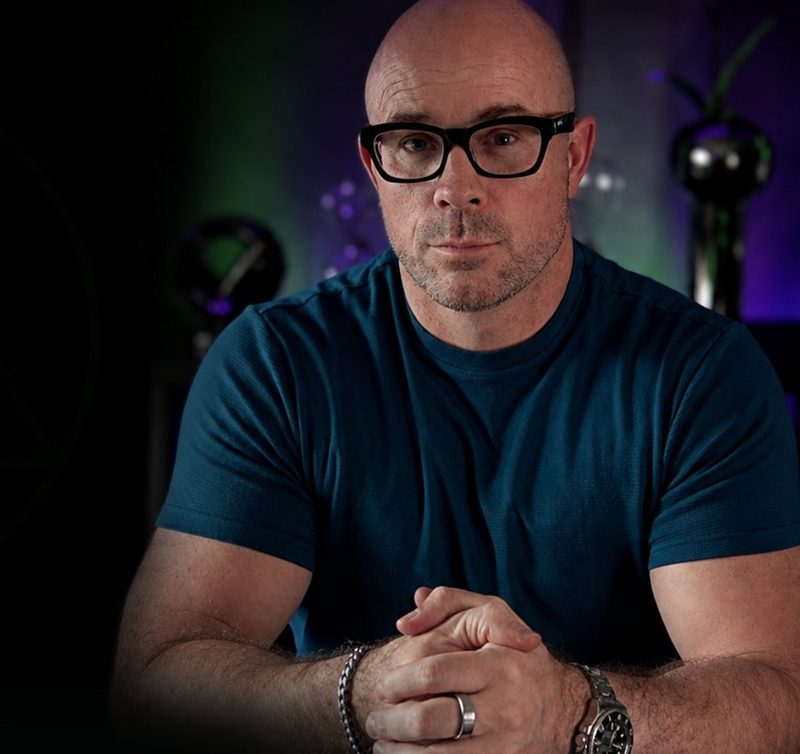
I am Adam Cox, a clinical hypnotherapist with more than 20 years of experience, and journalists and clients call me the Phobia Guru. I work one to one over Zoom with people whose fears are holding them back, including rarer ones like this. Every plan starts with understanding what your fear is really about.
Common questions
Is a fear of hair linked to a fear of losing your own hair?
It can be, but not always. Some people see stray hair as something dirty, while others worry about their own hair thinning or falling out. If you are noticing real hair loss, a GP can check for common causes.
How can you help?
I use hypnotherapy and NLP to change how your mind responds to the thing you fear, so the old alarm stops going off. Sessions are one to one over Zoom, and you get a recording of the hypnosis to listen to afterwards.
How many sessions will I need?
Many clients notice a real difference after one 90 minute session. If the fear goes back a long way, three sessions gives us room to make the change stick.
Further reading: Trichophobia (Medical News Today) · Trichophobia (Healthline)
Ready to start?
Book a £49 consultation call and we’ll talk through your fear, or take the free suitability test first.
See all session options and prices
Hypnosis downloads for this fear
Prefer to start on your own? This recorded session from my store is £9.99 and yours to keep.
