
Fear of Halloween (samhainophobia)
En español: lee sobre este miedo en Fobias.org.
Samhainophobia is a fear of Halloween. As late October approaches, someone with this fear might dread masks, costumes, spooky decorations and knocks at the door after dark, and may stay away from shops full of seasonal displays. For some it is mostly about the frightening imagery, for others it is about ghosts and the spirit world.
About this phobia
The name comes from Samhain, the Celtic festival marking the end of the harvest and the start of winter, which is seen as one of the roots of Halloween. It is a rare term that mostly appears on lists. It often overlaps with fears of masks, ghosts, the dark and being startled.
How it shows up
As the clocks go back and shops fill with skulls and masks, someone with this fear may feel a dread that builds for weeks. The night itself can bring unexpected knocks at the door, people in disguise and sudden bangs, all of which feel hard to predict. Some people are upset most by gory images, while others feel uneasy about ghosts, spirits or the darker side of the festival. Plenty of people find Halloween silly or tiresome, but here the fear can change routines and spoil the whole autumn.
Common triggers
- Masks and full-face costumes
- Knocks at the door after dark
- Fake blood and gory decorations
- Skeletons, skulls and coffins
- Horror films on television
- Fireworks and sudden bangs
Where it shows up
- Supermarkets in October
- Streets on 31 October
- School and office parties
- Neighbours’ decorated houses
- Theme parks and scare attractions
- Fancy dress parties
Symptoms
In your body
- Jumping at small sounds
- Racing heart
- Poor sleep
- Tense muscles
- Feeling sick
In your mind
- Dread as the date gets closer
- Thoughts of ghosts or spirits
- Fear of being startled
- Feeling silly about being scared
What you might do
- Staying in with lights off
- Avoiding shops with displays
- Skipping parties and events
- Not answering the door
What may cause it
No clinical research looks at this fear by name. It often ties in with fears of masks, the dark, death or being startled, and may start with a scary childhood experience at Halloween. Horror films and ghost stories can deepen it. Avoiding the season entirely can feel safer but leaves the fear just as strong the following year.
How it can affect your life
It can make autumn a tense time and cause problems for parents whose children want to join in. People may also miss social events at work or school and feel left out. Living on a busy street can make the night itself especially hard, with callers and noise well into the evening.
Related fears
- Fear of masks (maskaphobia)
- Fear of ghosts (phasmophobia)
- Fear of the dark (nyctophobia)
- Fear of death (thanatophobia)
Things that can help day to day
- Put a polite sign on the door asking callers to pass by
- Plan a calm evening with friends and familiar films
- Start with friendly, cartoon-style decorations
- Shop online or at quieter times in late October
When to get help
If dread starts weeks ahead or brings on panic attacks, talking therapy or hypnotherapy can help you feel calmer as the season comes round. A GP is a good first step if anxiety is affecting your sleep or mood.
Explore more unusual fears in the rare phobias A to Z, or browse the common phobias.
About me
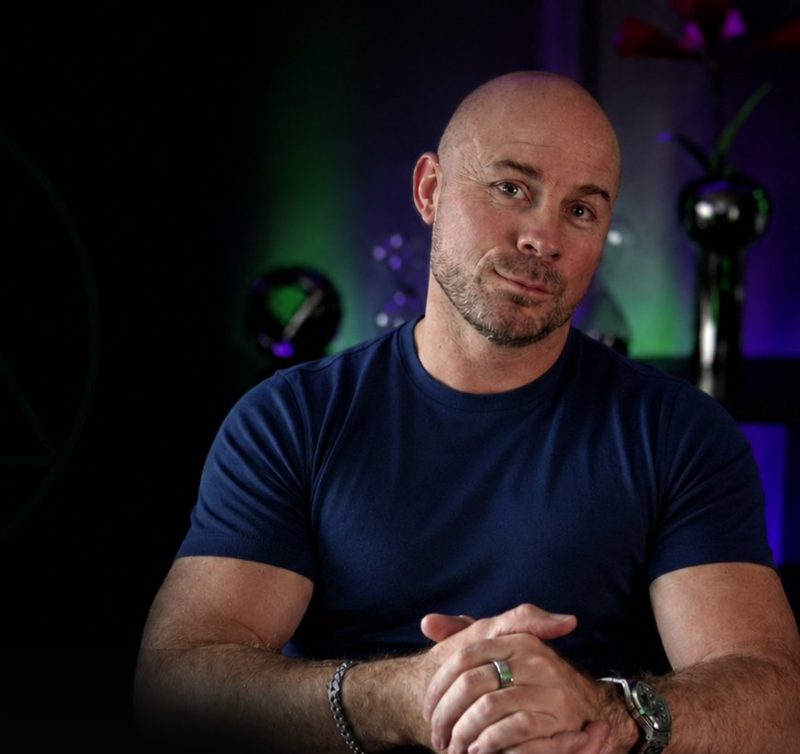
I am Adam Cox, a clinical hypnotherapist with more than 20 years of experience, and journalists and clients call me the Phobia Guru. I work one to one over Zoom with people whose fears are holding them back, including rarer ones like this. Every plan starts with understanding what your fear is really about.
Common questions
Is it silly to be scared of Halloween?
Not at all. Halloween is built around fright on purpose, with masks, scary images and surprises, so it makes sense that it tips some people into real anxiety. Many find it helps to plan the evening ahead, while a longer-lasting fear can be worked on like any other specific phobia.
How can you help?
I use hypnotherapy and NLP to change how your mind responds to the thing you fear, so the old alarm stops going off. Sessions are one to one over Zoom, and you get a recording of the hypnosis to listen to afterwards.
How many sessions will I need?
Many clients notice a real difference after one 90 minute session. If the fear goes back a long way, three sessions gives us room to make the change stick.
Further reading: Healthline: Phasmophobia (fear of ghosts) · Cleveland Clinic: Thanatophobia (fear of death) · NHS: Phobias
Ready to start?
Book a £49 consultation call and we’ll talk through your fear, or take the free suitability test first.
See all session options and prices
Hypnosis downloads for this fear
Prefer to start on your own? This recorded session from my store is £9.99 and yours to keep.
