
Fear of hands (chirophobia)
Chirophobia is a fear of hands, either your own or other people’s. It can make handshakes, being touched or watching hands move up close feel very uncomfortable. Some people are mainly bothered by the look of hands, such as knuckles or veins, while others fear being grabbed.
Many people find that with the right help, a handshake or a hand on the shoulder feels comfortable again.
Use code PHOBIA at checkout for half price: £24.50 instead of £49. Outside the UK? $29.50.
About this phobia
The word comes from the Greek cheir, meaning hand, the same root as chiropractor. It is uncommon and found mostly on lists of phobias rather than in clinical writing. Where it is mostly about touch, it can overlap with haphephobia, the fear of being touched.
How it shows up
Chirophobia may centre on the look of hands, such as knuckles, veins, wrinkles or nails, or on what hands can do, like grabbing, hitting or touching. Some people are troubled mainly by their own hands, while others cannot bear close contact with anyone else’s. Because hands are everywhere, the fear is hard to avoid, and it can be confusing for friends and family. It goes beyond being a private person because everyday contact feels threatening.
Common triggers
- Handshakes and high fives
- Hands reaching towards you suddenly
- Close-up images of hands
- Long nails or visible veins
- A touch on the arm or shoulder
- Lively hand gestures in conversation
- Being handed things by others
Where it shows up
- Work meetings and introductions
- Doctors’ and dentists’ surgeries
- Hairdressers and beauty salons
- Crowded trains and buses
- Family gatherings with hugs and greetings
- Shops and tills where change is passed
Symptoms
In your body
- Flinching or pulling away
- Racing heart
- Sweaty palms
- Tense shoulders
- Shivers
In your mind
- Fear of being grabbed or hurt
- Disgust at the look of hands
- Constant awareness of hands nearby
- Worry about having to touch others
What you might do
- Avoiding handshakes
- Keeping hands hidden in pockets or sleeves
- Standing back from others
- Putting off appointments that involve touch
What may cause it
For some people, chirophobia follows a frightening experience of being grabbed, hit or held against their will. For others it is closer to a disgust reaction to the look of hands, which may have no obvious starting point. There is very little research on this fear, and it is usually linked with fear of being touched. Avoiding contact brings relief, which can keep the fear in place.
How it can affect your life
Greetings, close relationships and health appointments can become difficult. Some people find work hard where handshakes or physical contact are expected, and may come across as cold without meaning to. Daily tasks such as passing change, sharing food or being helped by staff in shops can all bring discomfort.
Related fears
- Fear of being touched (haphephobia)
- Fear of fingers (dactylophobia)
- Fear of germs and dirt (mysophobia)
Things that can help day to day
- Use a wave or a nod as a friendly greeting if handshakes feel too much
- Tell trusted people what kind of contact feels okay for you
- Look at pictures of hands for short spells and notice the feeling ease
- Practise slow breathing before appointments that involve touch
When to get help
If the fear is linked to being hurt or mistreated in the past, your GP or a specialist counsellor can help. It is also worth getting support if it is affecting close relationships or your health care.
Explore more unusual fears in the rare phobias A to Z, or browse the common phobias.
About me
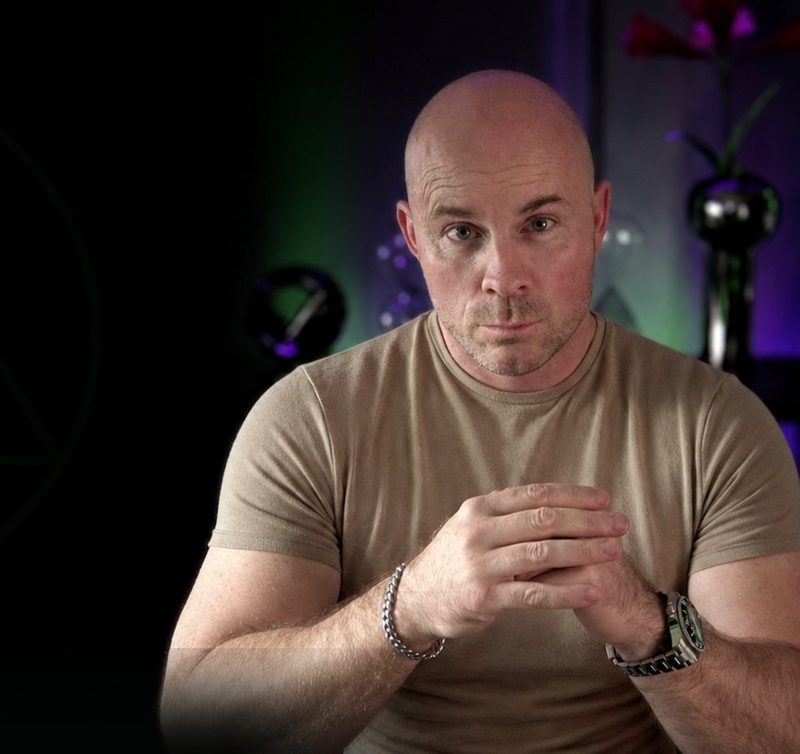
If you’ve tried to talk yourself out of this fear and it hasn’t worked, that isn’t a lack of willpower. A phobia is an alarm your mind learned, and logic alone rarely switches it off.
When a fear is less common, it can be harder to explain, so you may not have told many people about it. I work one to one over Zoom with people whose fears are holding them back, including rarer ones like this, and every plan starts with understanding what your fear is really about.
I’ve spent 17 years in clinical practice and helped more than 1,000 people with phobias. I hold a Postgraduate Certificate and a Postgraduate Diploma in Clinical Hypnotherapy, both with Distinction, and journalists and clients call me the Phobia Guru.
Common questions
What if this fear is about being touched by someone in particular?
Fear linked to a person’s hands can sometimes grow out of a past experience of being hurt or treated badly. If that might be the case, a GP or a specialist counsellor can help, at a pace that feels right for you.
How can you help?
I use hypnotherapy and NLP to change how your mind responds to the thing you fear, so the old alarm stops going off. Sessions are one to one over Zoom, and you get a recording of the hypnosis to listen to afterwards.
How many sessions will I need?
Many clients notice a real difference after one 90 minute session. If the fear goes back a long way, three sessions gives us room to make the change stick.
Further reading: Cleveland Clinic: Haphephobia · Cleveland Clinic: Mysophobia · NHS: Phobias
Ready to start?
A short call is the simplest next step. We’ll talk about your fear, what you’d like to feel instead, and whether I’m the right person to help.
- Take the free test at the top of this page to see how strong your fear is.
- Book a 30 minute call. Use code PHOBIA at checkout for half price: £24.50 instead of £49 ($29.50 outside the UK).
- Start your sessions over Zoom from wherever you live, or face to face in Hertfordshire.
See all session options and prices