
Fear of happiness (cherophobia)
En español: lee sobre este miedo en Fobias.org.
It sounds strange, but some people feel uneasy when things are going well, as if something bad must be around the corner.
Many people find that with the right help, they can enjoy good times as they happen, without waiting for something to go wrong.
Use code PHOBIA at checkout for half price: £24.50 instead of £49. Outside the UK? $29.50.
Understanding this fear
Cherophobia is a fear of happiness, or more often a deep unease when things are going well. It can feel like a voice saying do not get too comfortable, because something bad is coming. It is different from simply being cautious or modest. With cherophobia, people may push away good feelings, turn down fun plans, or feel anxious at the very moments others would enjoy.
It is not an official diagnosis, and research on it is limited. Psychologists have developed a fear of happiness scale and used it to compare people across many cultures, which suggests some beliefs about happiness are shaped by upbringing and culture. It often develops as a kind of self protection after trauma, loss or an unpredictable childhood. It has also been linked with low mood, anxiety and difficulty naming feelings.
Common triggers
- Good news, such as a new job or promotion
- Birthdays, holidays and celebrations
- A new relationship going well
- Compliments or praise
- Planning a treat or a trip away
- A calm, easy week with no problems
- Being invited to a party
- Noticing that you feel content
Where it shows up
- Parties and family celebrations
- Holidays and weekends away
- Weddings and special occasions
- Work events where you are praised
- Christmas and other festive times
- Nights out with friends
- Quiet evenings at home when all is well
Symptoms
In your body
- Tension in the stomach or chest when good things happen
- Restlessness and difficulty relaxing
- Racing heart
- Poor sleep after good news
- Shallow breathing
- Tight shoulders and jaw
In your mind
- Something bad will happen if I enjoy this
- I do not deserve this
- Being happy makes me selfish or shallow
- It is safer not to get my hopes up
- Guilt when you laugh or relax
What you might do
- Turning down invitations to fun events
- Downplaying good news or not telling anyone
- Picking holes in things that are going well
- Keeping busy so you never stop and enjoy anything
- Pulling back from relationships or chances when they look promising
What causes it
Many people with cherophobia learned early on that good times did not last, perhaps because celebrations ended in arguments or a happy period was followed by a loss. The mind then links joy with danger and tries to protect you by keeping happiness at arm’s length. Some families and cultures also pass on beliefs that happiness is shallow, selfish or tempting fate. Perfectionism can play a part too, where fun feels unproductive or unearned. Each time you push happiness away and nothing bad happens, the mind credits the avoidance, so the pattern holds.
How it can affect your life
This fear can quietly take the colour out of life. People may miss celebrations, stop planning holidays, or hold back in relationships, which can leave partners and friends feeling shut out. At work, someone may turn down opportunities or play down achievements. Over time it can leave people feeling flat, isolated or low, even when life on paper is going well.
Things that can help day to day
- Notice small good moments each day and let them be there for a few breaths
- Write down what you predict will go wrong after a good day, then check what actually happened
- Try box breathing when unease rises, breathing in, holding, out and holding for four counts each
- Say yes to one small, low pressure treat and stay with how it feels
- Talk to someone you trust about the beliefs you grew up with about happiness
When to get help
It is worth getting help if you are regularly avoiding good things, if relationships are suffering, or if you feel flat most of the time. If you are feeling low, or the fear seems linked to anxiety or past trauma, your GP is a good first port of call. If you ever feel very low, Samaritans are there free on 116 123, at any time.
How I can help
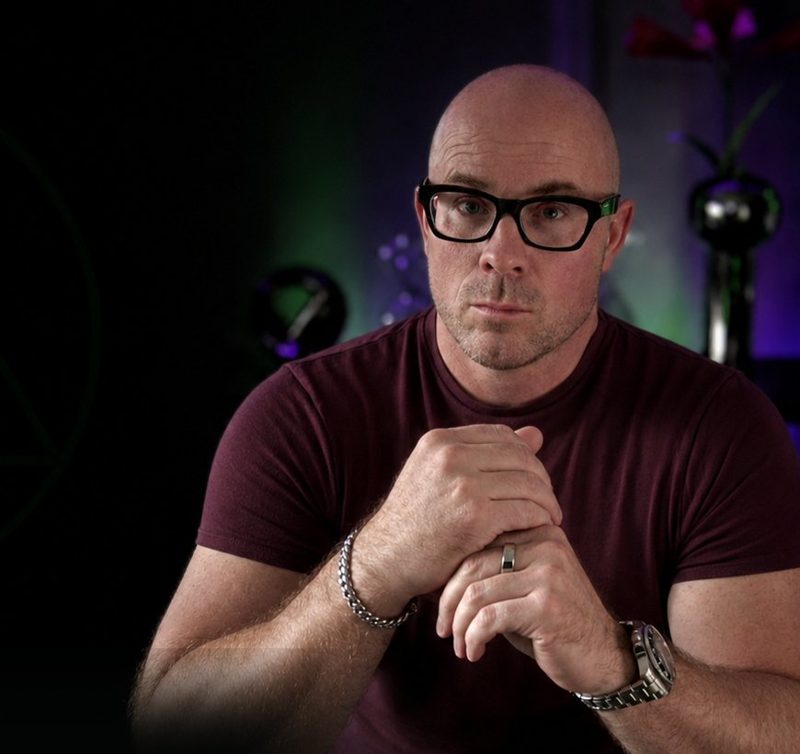
If you’ve tried to talk yourself out of this fear and it hasn’t worked, that isn’t a lack of willpower. A phobia is an alarm your mind learned, and logic alone rarely switches it off.
When I work with a fear of happiness, I look for what the fear is really about, often a moment or a pattern early in life when good feelings were followed by something painful. Using hypnotherapy and NLP over Zoom, I help your mind separate joy from danger, so it no longer braces for a fall every time things go well. We rehearse good moments in your imagination, letting your body feel safe while you enjoy them. Many clients find they can start to relax into good news rather than wait for the catch. You get a recording to listen to so the new response keeps building.
I’ve spent 17 years in clinical practice and helped more than 1,000 people with phobias. I hold a Postgraduate Certificate and a Postgraduate Diploma in Clinical Hypnotherapy, both with Distinction.
Common questions
Is cherophobia a real condition?
It is not an official diagnosis, but psychologists have studied fear of happiness and even created a scale to measure it. For people who live with it, the anxiety and avoidance are very real.
Is fear of happiness linked to depression?
It has been linked with low mood and anxiety, and sometimes it may be a sign of them. If you feel flat or low most of the time, it is worth speaking to your GP.
Why do I feel guilty when I am happy?
Guilt often comes from old beliefs, such as that you have to earn good things or that enjoying yourself is selfish. These beliefs were learned, which means they can change.
Where does it come from?
Often learned in childhood, when good times were followed by bad ones, or from a belief that happiness has to be earned.
How do sessions work?
I use hypnotherapy and NLP to change how your mind responds to good times. Sessions are one to one over Zoom, and you get a recording of the hypnosis to listen to afterwards.
How many sessions will I need?
Many clients notice a real difference after one 90 minute session. If the fear goes back a long way, three sessions gives us room to make the change stick.
Further reading: Healthline: Cherophobia · Joshanloo et al (2014): Fear of happiness across 14 nations · Mind: About phobias
Ready to start?
A short call is the simplest next step. We’ll talk about your fear, what you’d like to feel instead, and whether I’m the right person to help.
- Take the free test at the top of this page to see how strong your fear is.
- Book a 30 minute call. Use code PHOBIA at checkout for half price: £24.50 instead of £49 ($29.50 outside the UK).
- Start your sessions over Zoom from wherever you live, or face to face in Hertfordshire.
See all session options and prices