
Fear of accidents (dystychiphobia)
En español: lee sobre este miedo en Fobias.org.
Dystychiphobia is a fear of accidents. It might show up as checking things repeatedly, avoiding driving or travel, or holding back from activities that carry any small risk of harm.
Many people find that with the right help, they can drive, travel and get on with the day with sensible care rather than constant checking.
Use code PHOBIA at checkout for half price: £24.50 instead of £49. Outside the UK? $29.50.
About this phobia
The word is linked to the Greek dystychia, meaning misfortune. It is an uncommon term found mostly on lists. It can follow a real accident, and it overlaps with fears of driving, injury and loss of control.
How it shows up
Dystychiphobia goes well beyond normal care about safety. People may check doors, plugs and locks many times, avoid driving or travel, or turn down activities with even a small risk. Thoughts of what could go wrong can be vivid and hard to switch off, and they often arrive at quiet moments such as bedtime. The fear often follows a real accident, though it can also develop without one.
Common triggers
- Driving or being a passenger
- Busy roads and junctions
- News of accidents
- Sport and outdoor activities
- Kitchen knives and hot pans
- Travelling alone
- Children playing or climbing
Where it shows up
- Cars and public transport
- Workplaces with machinery
- Sports clubs
- Home kitchens
- Holidays abroad
- Playgrounds and school trips
Symptoms
In your body
- Racing heart
- Tense muscles
- Shallow breathing
- Startling easily
- Poor sleep
In your mind
- Imagining accidents
- Fear of losing control
- Replaying past accidents
- Worry about others getting hurt
What you might do
- Checking things repeatedly
- Avoiding driving or travel
- Turning down activities
- Asking for reassurance
What may cause it
A real accident, a near miss or seeing someone hurt can leave a lasting fear. Some people have a general tendency to worry, and accidents become its main focus. Checking and avoiding bring relief in the moment, but they also teach the mind that danger was only just avoided, which keeps the fear going. Dystychiphobia has very little clinical writing of its own, so it is usually understood through work on anxiety after accidents.
How it can affect your life
It can limit work, travel and hobbies, and make daily routines slow and stressful. Family members may feel worn down by repeated checking or requests for reassurance. Parents may find it hard to let children take the ordinary small risks that help them grow.
Related fears
- Fear of driving (amaxophobia)
- Fear of injury (traumatophobia)
- Fear of losing control
- Fear of failure (atychiphobia)
Things that can help day to day
- Check something once, then say out loud that it is done
- Notice worst case thoughts and write down a more likely outcome next to them
- Start with short, familiar trips and build up slowly
- Talk about the fear with someone you trust rather than carrying it alone
When to get help
If memories of a real accident keep replaying, or you have nightmares and strong panic, speak to your GP, as support for this kind of reaction is available. Help is also there if checking takes up a lot of time each day or gets in the way of work and family life.
Explore more unusual fears in the rare phobias A to Z, or browse the common phobias.
About me
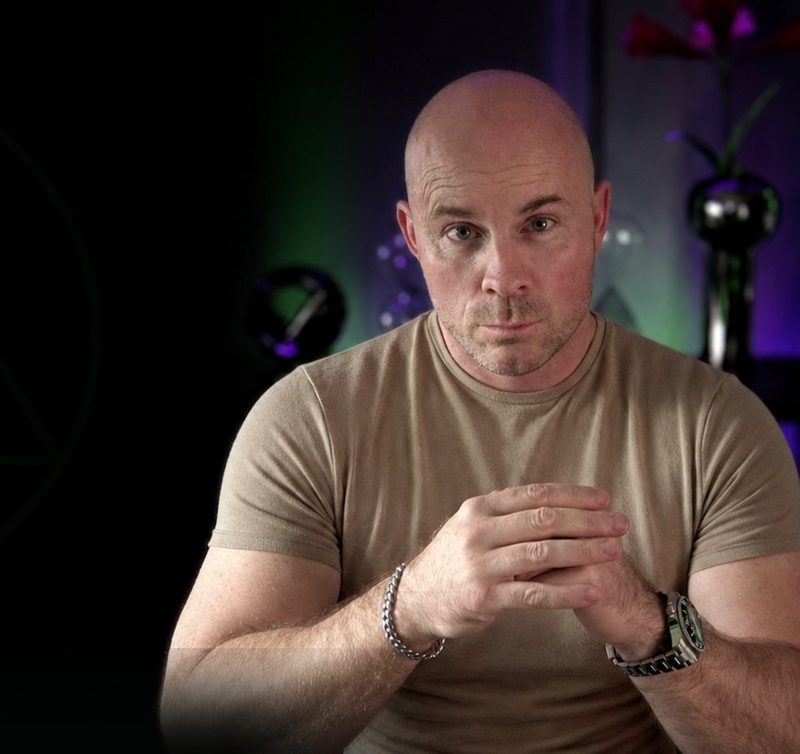
If you’ve tried to talk yourself out of this fear and it hasn’t worked, that isn’t a lack of willpower. A phobia is an alarm your mind learned, and logic alone rarely switches it off.
When a fear is less common, it can be harder to explain, so you may not have told many people about it. I work one to one over Zoom with people whose fears are holding them back, including rarer ones like this, and every plan starts with understanding what your fear is really about.
I’ve spent 17 years in clinical practice and helped more than 1,000 people with phobias. I hold a Postgraduate Certificate and a Postgraduate Diploma in Clinical Hypnotherapy, both with Distinction, and journalists and clients call me the Phobia Guru.
Common questions
Is it normal to be scared after an accident?
Yes, feeling shaken and wary after an accident is very common. If the fear stays strong for weeks, or brings flashbacks and nightmares, it is worth speaking to a GP. They can point you towards the right support.
How can you help?
I use hypnotherapy and NLP to change how your mind responds to the thing you fear, so the old alarm stops going off. Sessions are one to one over Zoom, and you get a recording of the hypnosis to listen to afterwards.
How many sessions will I need?
Many clients notice a real difference after one 90 minute session. If the fear goes back a long way, three sessions gives us room to make the change stick.
Further reading: Cleveland Clinic: Dystychiphobia · Cleveland Clinic: Amaxophobia · NHS: Phobias
Ready to start?
A short call is the simplest next step. We’ll talk about your fear, what you’d like to feel instead, and whether I’m the right person to help.
- Take the free test at the top of this page to see how strong your fear is.
- Book a 30 minute call. Use code PHOBIA at checkout for half price: £24.50 instead of £49 ($29.50 outside the UK).
- Start your sessions over Zoom from wherever you live, or face to face in Hertfordshire.
See all session options and prices