
Fear of having your picture taken (ipovlopsychophobia)
Ipovlopsychophobia is said to mean a fear of having your picture taken. It might show up as ducking out of group photos, hiding behind others at weddings, or feeling tense whenever a phone camera points your way.
Many people find that with the right help, a photo with friends or family becomes something they can smile through.
Use code PHOBIA at checkout for half price: £24.50 instead of £49. Outside the UK? $29.50.
About this phobia
The term was found on a Simple English Wikipedia list only, and it looks like an invented word. The feeling it describes is far more familiar than the word itself. Camera shyness often links to self-consciousness, social anxiety or a fear of being looked at.
How it shows up
Lots of people dislike how they look in photos, but a genuine fear brings a rush of panic as soon as a camera appears. Someone affected may slip out of group shots, cover their face, or feel on edge for a whole celebration because they know pictures will be taken. The worry often continues afterwards, with fears about where the picture might end up and who will see it. That sense of threat is what separates it from ordinary camera shyness.
Common triggers
- Group photos at events
- Phones being raised in your direction
- Selfies taken by friends
- Photos being posted or tagged online
- Video calls with the camera on
- Photographers at work events
- Being asked to pose or smile on cue
Where it shows up
- Weddings and family parties
- School events and graduations
- Holidays and days out
- Office events and ID badge photos
- Birthday meals
- Team photos for clubs or sports
Symptoms
In your body
- Blushing
- Racing heart
- Tense face and shoulders
- Sweating
- Urge to hide
In your mind
- Fear of looking bad
- Worry about photos being shared
- Harsh self criticism of how you look
What you might do
- Leaving before photos are taken
- Hiding behind others
- Asking for photos to be deleted
- Avoiding events altogether
What may cause it
The term itself has no research, though camera shyness and the fear of being looked at are well understood. It can grow from teasing about appearance, low confidence in how one looks, or worries about privacy and being seen online. Social media can add pressure, as photos can be shared widely and kept for years. Avoiding cameras eases the worry for now but keeps it in place.
How it can affect your life
Missing out on photos can mean few memories of family events, and some people avoid celebrations entirely. It can also cause friction when others want pictures and do not understand the reluctance. Some people feel left out when they see shared albums they are missing from.
Related fears
- Fear of being stared at (scopophobia)
- Social anxiety, sometimes called social phobia
- Fear of mirrors or seeing your reflection (eisoptrophobia)
Things that can help day to day
- Offer to take the photo yourself so you feel more in control
- Agree with friends that you see photos before they go online
- Start with a photo of your hands or your outline, then build up slowly
- Notice kind, neutral things about a picture of yourself
When to get help
If worry about how you look takes up a lot of time or causes real distress, see your GP. Help is also worth getting if the fear keeps you away from family events.
Explore more unusual fears in the rare phobias A to Z, or browse the common phobias.
About me
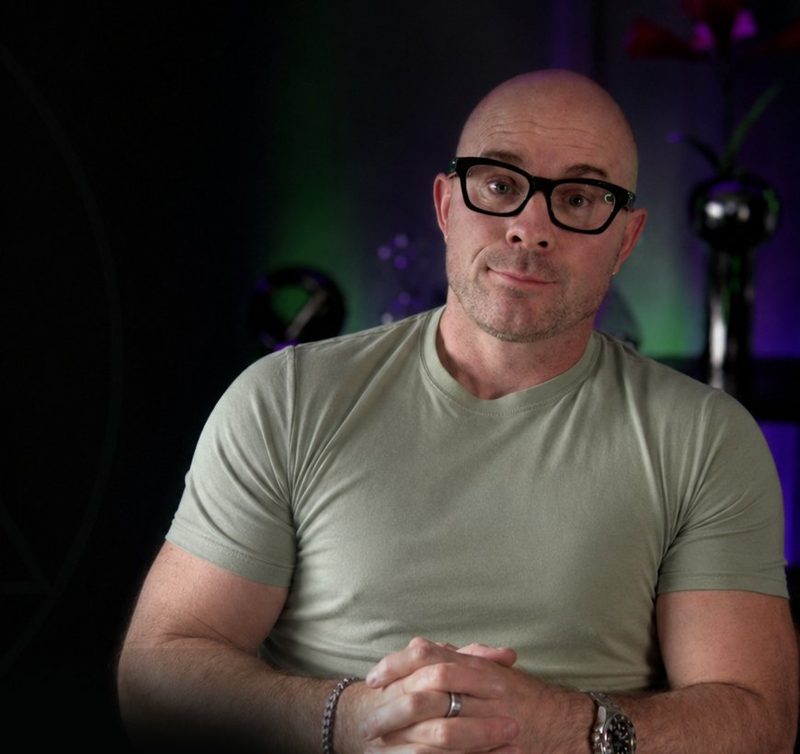
If you’ve tried to talk yourself out of this fear and it hasn’t worked, that isn’t a lack of willpower. A phobia is an alarm your mind learned, and logic alone rarely switches it off.
When a fear is less common, it can be harder to explain, so you may not have told many people about it. I work one to one over Zoom with people whose fears are holding them back, including rarer ones like this, and every plan starts with understanding what your fear is really about.
I’ve spent 17 years in clinical practice and helped more than 1,000 people with phobias. I hold a Postgraduate Certificate and a Postgraduate Diploma in Clinical Hypnotherapy, both with Distinction, and journalists and clients call me the Phobia Guru.
Common questions
Is it normal to hate having my photo taken?
Many people dislike being photographed, and it is not usually a sign of anything serious. It becomes more of an issue if it means missing events or feeling upset for days afterwards. In that case it is worth exploring what sits underneath the worry.
How can you help?
I use hypnotherapy and NLP to change how your mind responds to the thing you fear, so the old alarm stops going off. Sessions are one to one over Zoom, and you get a recording of the hypnosis to listen to afterwards.
How many sessions will I need?
Many clients notice a real difference after one 90 minute session. If the fear goes back a long way, three sessions gives us room to make the change stick.
Further reading: Healthline: Scopophobia · NHS: Social anxiety · NHS: Phobias
Ready to start?
A short call is the simplest next step. We’ll talk about your fear, what you’d like to feel instead, and whether I’m the right person to help.
- Take the free test at the top of this page to see how strong your fear is.
- Book a 30 minute call. Use code PHOBIA at checkout for half price: £24.50 instead of £49 ($29.50 outside the UK).
- Start your sessions over Zoom from wherever you live, or face to face in Hertfordshire.
See all session options and prices