
Fear of heights (acrophobia)
En español: lee sobre este miedo en Fobias.org.
A fear of heights can show up on balconies, ladders, bridges, glass lifts and even escalators. It’s one I know personally, because I used to have it.
A balcony, a bridge or a ladder can become something you handle calmly. Many people find that with the right help, the alarm settles and they can enjoy the view instead of gripping the rail.
Use code PHOBIA at checkout for half price: £24.50 instead of £49. Outside the UK? $29.50.
Understanding this fear
Acrophobia is an intense fear of heights that goes well beyond the healthy caution most of us feel near a cliff edge. For some people it only kicks in at real heights such as rooftops or cliff paths, while for others a stepladder, an open staircase or a photo taken from a tall building is enough to set it off. The body reacts as if a fall is about to happen, with a strong urge to get down, freeze or cling to something. Many people with acrophobia know they are safe behind a railing but still cannot make the feeling go away.
Cleveland Clinic suggests that roughly 3 to 6 per cent of people have acrophobia, which makes it one of the most common phobias. It often becomes noticeable in the teenage years or early adulthood. It can link to other fears, such as fear of falling, fear of being stuck high up, or fear of having a panic attack at height. Fear of flying is usually treated as a separate phobia, although the two sometimes go together.
Common triggers
- Looking down from a balcony or window
- Climbing a ladder or stepladder
- Open or see-through staircases
- Glass floors and glass lifts
- Standing near a cliff edge or viewpoint
- Driving over high bridges or flyovers
- Rooftop terraces and bars
- Photos or videos taken from a great height
- Escalators in tall shopping centres
Where it shows up
- Multi-storey car parks
- Hotel rooms and flats on high floors
- Bridges and viaducts
- Cliff walks and hill paths
- Upper tiers in theatres and stadiums
- Theme park rides and observation decks
- Lofts and scaffolding at home or work
Symptoms
In your body
- Dizziness or a spinning feeling
- Wobbly or jelly legs
- Racing heart and shortness of breath
- Sweaty palms and trembling
- Nausea or a sinking stomach
- An urge to crouch, sit or grab hold of something
In your mind
- I am going to fall
- The railing or floor might give way
- I will lose my balance and not be able to stop
- A desperate need to get back down
- Worry for days before a trip that involves heights
- Feeling stuck high up with no easy way down
What you might do
- Refusing to go near windows or balconies
- Avoiding ladders, even for simple jobs at home
- Asking for rooms on low floors
- Taking long routes to avoid bridges
- Hugging the wall side of paths and stairs
- Crawling or sitting down on high or exposed spots
What causes it
Fear of heights builds on a natural instinct, as people who were careful near drops were more likely to survive, and in acrophobia that instinct is turned up too high. Some people can trace it to a fall, watching someone else fall, or having a panic attack while high up, while others cannot remember any particular start. A family history of anxiety may raise the risk, and children can pick up the fear from a parent who is very anxious near heights. Some researchers also think people with this fear may judge heights as greater than they really are. Avoidance keeps it going, because each time you step back from the edge, the relief convinces the brain it was right to sound the alarm.
How it can affect your life
Acrophobia can limit work, especially in jobs that involve ladders, roofs or tall buildings, and it can make simple jobs at home like changing a light bulb feel daunting. Holidays may be shaped around avoiding cliff paths, cable cars or high viewpoints, and family days out at theme parks can be stressful. Some people also avoid bridges and high roads when driving, which adds time and stress to everyday travel.
Things that can help day to day
- When the fear rises, look at the horizon or a fixed, stable point rather than straight down
- Sit down or hold onto something solid until the dizziness passes
- Steady your mind with a simple task, such as naming items in a category
- Practise relaxation and slow breathing regularly, not just when you are up high
- Build up gradually in places that are genuinely safe, such as a low balcony with a solid rail
When to get help
It is worth getting help if the fear is affecting your work, your home life or the places you can go with friends and family. If you feel dizzy or unsteady at ground level too, or have other balance problems, see your GP, as that may need checking separately. A GP appointment is also a good starting point if anxiety is affecting your daily life.
How hypnosis can help with fear of heights
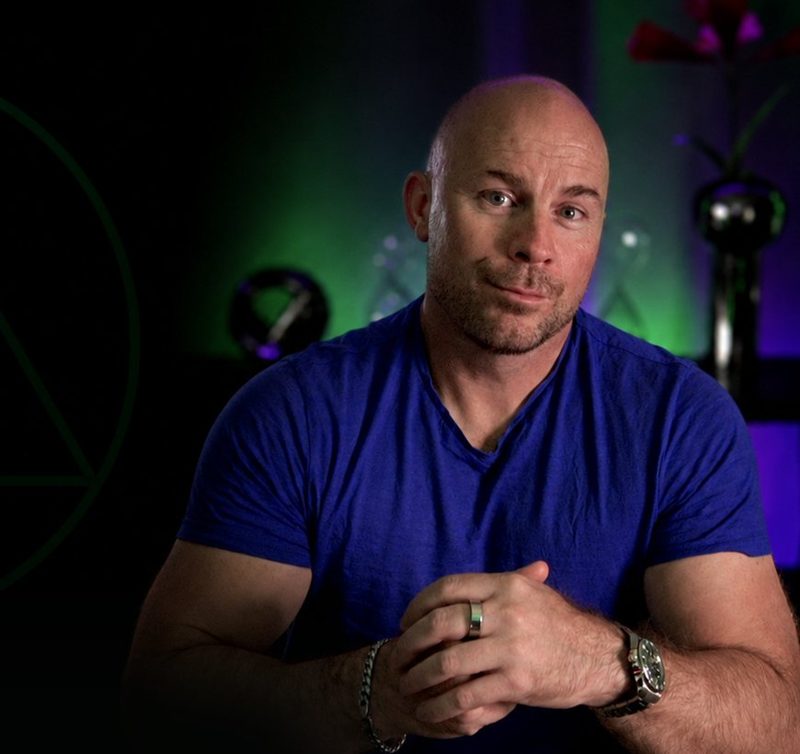
If you’ve tried to talk yourself out of this fear and it hasn’t worked, that isn’t a lack of willpower. A phobia is an alarm your mind learned, and logic alone rarely switches it off.
When I work with a fear of heights, I start by finding out what the fear centres on, whether that is falling, the feeling of being drawn towards the edge, or an old memory of a slip or a fall. Over Zoom, I guide you into a relaxed hypnotic state and we rehearse being at height in your imagination, perhaps standing calmly on a balcony with a solid rail, so the brain gets a calm reference point. NLP techniques can help change how a frightening memory is stored and how your mind pictures the drop. Many clients find their alarm response settles, so they can make sensible safety choices from a calm place rather than a panicked one.
I’ve spent 17 years in clinical practice and helped more than 1,000 people with phobias. I hold a Postgraduate Certificate and a Postgraduate Diploma in Clinical Hypnotherapy, both with Distinction.
Common questions
Is fear of heights the same as vertigo?
Not quite. People often use the word vertigo for the dizzy feeling at height, but medically vertigo is a spinning sensation linked to the inner ear or balance system, which can happen anywhere. If you get dizzy spells away from heights, see your GP.
Why do heights make me feel so unsteady?
Anxiety itself causes light-headedness and fast breathing, which can make you feel wobbly, and that wobbliness then feeds the fear. Looking at a fixed point, sitting down and slowing your breathing often helps the feeling pass.
Is it normal to be scared of heights?
Some caution around heights is normal and healthy. It becomes a phobia when the fear is far stronger than the situation calls for, lasts for months, and leads you to avoid everyday places like stairs, balconies or bridges.
Where does it come from?
Some caution around heights is natural. A phobia develops when that caution gets turned up too high, often after a fall, a fright or a fear picked up from family.
How do sessions work?
I use hypnotherapy and NLP to change how your mind responds to heights. Sessions are one to one over Zoom, and you get a recording of the hypnosis to listen to afterwards.
How many sessions will I need?
Many clients notice a real difference after one 90 minute session. If the fear goes back a long way, three sessions gives us room to make the change stick.
Did you really have this fear?
Yes. Heights were one of my own fears. Since then I’ve done free-fall skydives.
Further reading: Cleveland Clinic: Acrophobia · Healthline: Acrophobia
Ready to start?
A short call is the simplest next step. We’ll talk about your fear, what you’d like to feel instead, and whether I’m the right person to help.
- Take the free test at the top of this page to see how strong your fear is.
- Book a 30 minute call. Use code PHOBIA at checkout for half price: £24.50 instead of £49 ($29.50 outside the UK).
- Start your sessions over Zoom from wherever you live, or face to face in Hertfordshire.
See all session options and prices