
Fear of hell (hadephobia)
En español: lee sobre este miedo en Fobias.org.
Hadephobia is a fear of hell. It is usually tied to religious belief or upbringing, and can show up as lasting worry about what happens after death, fear of punishment, or trouble sleeping after sermons or images of hell. For some, the fear stays even after they have moved away from the faith they grew up with.
Many people find that with the right help, the fear eases and they can hold their beliefs from a calmer, kinder place.
Use code PHOBIA at checkout for half price: £24.50 instead of £49. Outside the UK? $29.50.
About this phobia
The name comes from Hades, the underworld of Greek myth. It is a rare term found mostly on lists, and is one of several fears with a religious theme, alongside fears of sin and of sacred things. Stygiophobia is another name sometimes given for the same fear.
How it shows up
For people of faith, thinking about the afterlife is normal and can bring comfort. With hadephobia, thoughts of hell bring real terror that creeps into everyday life, often late at night. A person may go over their actions looking for reasons they might be punished, or feel panic when a sermon, film or song touches on damnation. It differs from ordinary belief because the distress does not ease with prayer, reassurance or time.
Common triggers
- Sermons about judgement
- Images of fire and demons in art or film
- Talk of death or the afterlife
- Feeling you have done something wrong
- Religious texts that describe hell
- Dark, stormy nights for some people
- Thinking about loved ones who have died
Where it shows up
- Churches and religious meetings
- Funerals
- Late at night in bed
- Religious holidays and festivals
- Horror films and games
- Quiet moments after an argument or mistake
Symptoms
In your body
- Racing heart at night
- Tight chest
- Sweating
- Trouble sleeping
- Feeling cold or shivery
In your mind
- Repeated thoughts about punishment
- Doubt about whether you are forgiven
- Dread about what happens after death
What you might do
- Seeking reassurance from faith leaders
- Praying or confessing again and again
- Avoiding religious settings or media
- Staying up late to avoid dark thoughts
What may cause it
Research on hadephobia itself is scarce, but it is usually linked to religious upbringing, especially where hell was described to children in vivid or frightening terms. Some people find the fear stays even after their beliefs change, because early lessons can leave a strong emotional mark. It can also overlap with scrupulosity, where worry about having done wrong becomes constant. Pushing all thought of the subject away may give short relief while keeping the fear sharp.
How it can affect your life
The fear can disturb sleep and turn faith into a source of stress rather than comfort. It may make funerals and family religious events very hard. Some people feel isolated because they worry others will not understand.
Related fears
- Fear of death (thanatophobia)
- Fear of sinning (hamartophobia)
- Fear of God or religion (theophobia)
- Religious scrupulosity
Things that can help day to day
- Talk to a calm, trusted faith leader about what your tradition teaches on mercy
- Set a short daily worry time instead of fighting the thoughts all day
- Build a gentle wind-down routine at night with reading or music
- Write the fearful thought down and look at it again in daylight
When to get help
If fear of hell is spoiling your sleep, mood or daily life, speak to your GP, who can refer you for talking therapy. If it is linked to harsh treatment in a religious setting, a GP or specialist counsellor can help.
Explore more unusual fears in the rare phobias A to Z, or browse the common phobias.
About me
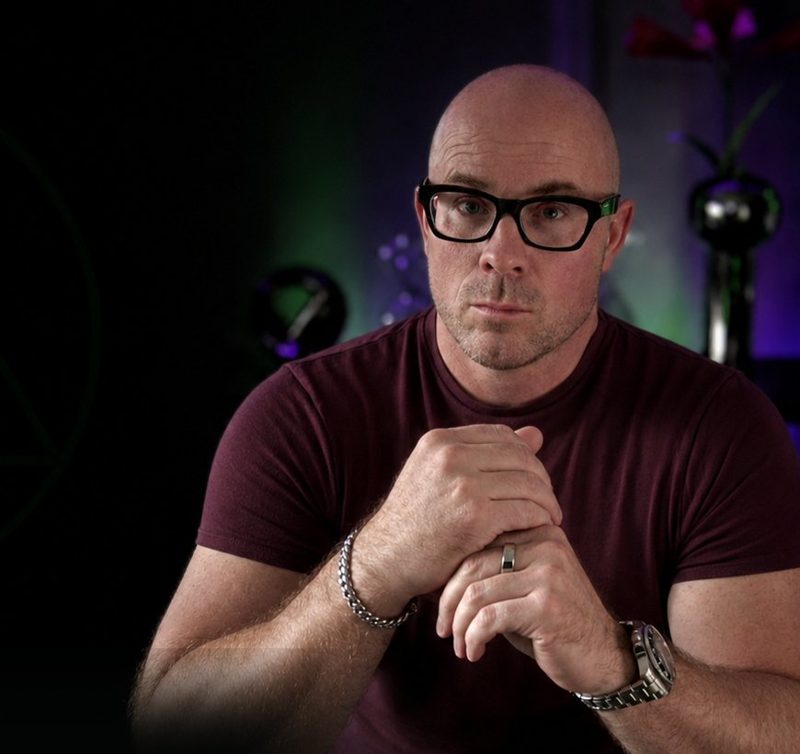
If you’ve tried to talk yourself out of this fear and it hasn’t worked, that isn’t a lack of willpower. A phobia is an alarm your mind learned, and logic alone rarely switches it off.
When a fear is less common, it can be harder to explain, so you may not have told many people about it. I work one to one over Zoom with people whose fears are holding them back, including rarer ones like this, and every plan starts with understanding what your fear is really about.
I’ve spent 17 years in clinical practice and helped more than 1,000 people with phobias. I hold a Postgraduate Certificate and a Postgraduate Diploma in Clinical Hypnotherapy, both with Distinction, and journalists and clients call me the Phobia Guru.
Common questions
Can you be afraid of hell if you are no longer religious?
Yes, and it is more common than many people think. Beliefs learned early in life can leave strong emotional traces even after views have changed. Gentle support from a counsellor, or from a faith leader if that feels right, can help make sense of it.
How can you help?
I use hypnotherapy and NLP to change how your mind responds to the thing you fear, so the old alarm stops going off. Sessions are one to one over Zoom, and you get a recording of the hypnosis to listen to afterwards.
How many sessions will I need?
Many clients notice a real difference after one 90 minute session. If the fear goes back a long way, three sessions gives us room to make the change stick.
Further reading: Cleveland Clinic: Thanatophobia · IOCDF: What is OCD and scrupulosity · NHS: Phobias
Ready to start?
A short call is the simplest next step. We’ll talk about your fear, what you’d like to feel instead, and whether I’m the right person to help.
- Take the free test at the top of this page to see how strong your fear is.
- Book a 30 minute call. Use code PHOBIA at checkout for half price: £24.50 instead of £49 ($29.50 outside the UK).
- Start your sessions over Zoom from wherever you live, or face to face in Hertfordshire.
See all session options and prices