
Fear of heredity (patroiophobia)
Patroiophobia is a fear of heredity, usually centred on inheriting an illness, a mental health condition or certain traits from parents. It often surfaces after a relative is diagnosed with something, or when thinking about having children. If you are worried about a specific condition in your family, a GP can talk through the risks and whether testing or genetic counselling makes sense.
Many people find that with the right help, family history becomes something they can plan for sensibly rather than dread.
Use code PHOBIA at checkout for half price: £24.50 instead of £49. Outside the UK? $29.50.
About this phobia
This term appears mostly on lists of phobias and is not used as a clinical diagnosis. Very little has been written about it as its own fear. It often overlaps with health anxiety and with worries about family history, which are far more widely discussed.
How it shows up
Patroiophobia tends to be quiet and private. A person may watch a parent age and see themselves in every lapse of memory, or dread a birthday that matches the age a relative became ill. It can also centre on traits such as temper, drinking or anxiety, with a fear of turning into a parent. Knowing your family health history is useful, but this kind of fear is more constant and often out of step with the real risk.
Common triggers
- A relative being diagnosed with an illness
- Reaching the age a parent became unwell
- Thinking about starting a family
- Noticing a family trait in yourself
- Filling in family history forms
- Stories about genetic testing
- A parent’s memory starting to slip
Where it shows up
- GP and hospital appointments
- Family gatherings
- Birthdays and anniversaries
- When planning a pregnancy
- Late at night when thoughts wander
- Health checks and screening appointments
Symptoms
In your body
- Tight chest
- Disturbed sleep
- Stomach upset
- Feeling shaky
- General muscle tension
In your mind
- Believing illness is bound to happen
- Watching yourself for warning signs
- Feeling trapped by family history
- Treating family stories as a forecast of your own future
What you might do
- Checking the body for symptoms
- Avoiding the doctor, or going very often
- Putting off decisions about having children
- Keeping away from unwell relatives
What may cause it
Very little has been written about this as a separate fear, but it overlaps with health anxiety, which is better understood. Watching a loved one become ill can make a risk feel personal and certain, even when it is not. Some families talk about illness in a way that passes worry down the generations. Not knowing your actual level of risk can also leave room for the mind to fill in the worst.
How it can affect your life
The fear can shape big life choices, such as whether to have children, and can cloud precious time with ageing parents. Some people avoid health checks that could actually reassure them. It can also make it hard to enjoy good health now, because the future feels as if it has already been written.
Related fears
- Health anxiety (hypochondria)
- Fear of illness (nosophobia)
- Fear of cancer (carcinophobia)
Things that can help day to day
- Write down what you actually know about the family condition
- Prepare questions before seeing your GP so you get clear answers
- Remind yourself that sharing a trait does not make an illness certain
- Look after what you can change, such as sleep and activity
When to get help
A GP can explain what your family history really means for you and refer you to a genetics service if that would help. Seek support too if the worry is affecting everyday life.
Explore more unusual fears in the rare phobias A to Z, or browse the common phobias.
About me
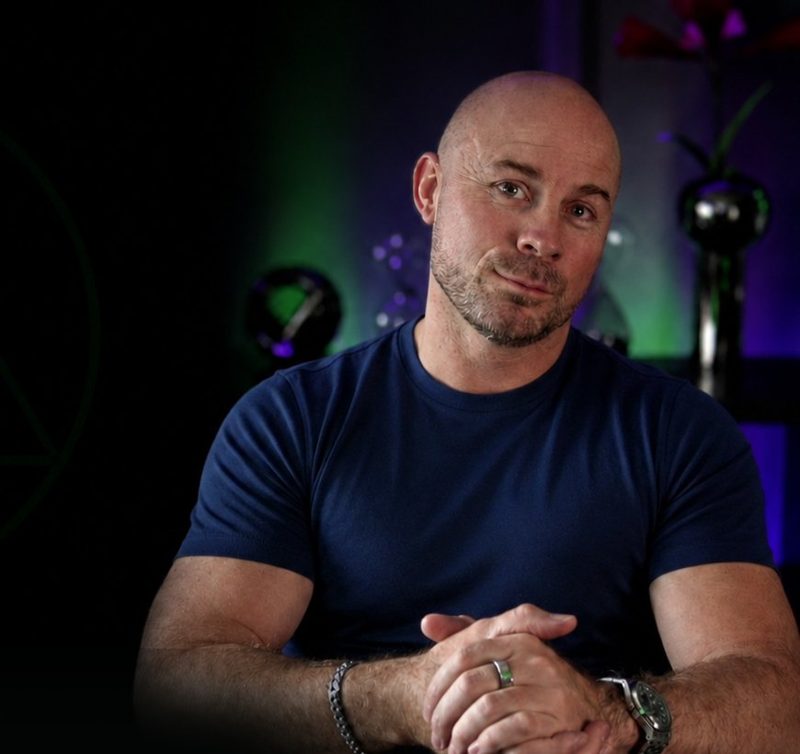
If you’ve tried to talk yourself out of this fear and it hasn’t worked, that isn’t a lack of willpower. A phobia is an alarm your mind learned, and logic alone rarely switches it off.
When a fear is less common, it can be harder to explain, so you may not have told many people about it. I work one to one over Zoom with people whose fears are holding them back, including rarer ones like this, and every plan starts with understanding what your fear is really about.
I’ve spent 17 years in clinical practice and helped more than 1,000 people with phobias. I hold a Postgraduate Certificate and a Postgraduate Diploma in Clinical Hypnotherapy, both with Distinction, and journalists and clients call me the Phobia Guru.
Common questions
Is it normal to fear inheriting a family illness?
Yes, worry about family history is common, especially after a relative becomes ill. Getting the real facts from a GP often helps, because many conditions are shaped by more than genes alone. If the worry stays high even after reassurance, support for health anxiety may help.
How can you help?
I use hypnotherapy and NLP to change how your mind responds to the thing you fear, so the old alarm stops going off. Sessions are one to one over Zoom, and you get a recording of the hypnosis to listen to afterwards.
How many sessions will I need?
Many clients notice a real difference after one 90 minute session. If the fear goes back a long way, three sessions gives us room to make the change stick.
Further reading: NHS: Health anxiety · NHS: Phobias · Mind: About phobias
Ready to start?
A short call is the simplest next step. We’ll talk about your fear, what you’d like to feel instead, and whether I’m the right person to help.
- Take the free test at the top of this page to see how strong your fear is.
- Book a 30 minute call. Use code PHOBIA at checkout for half price: £24.50 instead of £49 ($29.50 outside the UK).
- Start your sessions over Zoom from wherever you live, or face to face in Hertfordshire.
See all session options and prices