
Fear of houses and home (domatophobia)
Domatophobia is a fear of houses and home surroundings. It might mean feeling tense or trapped indoors, finding it hard to stay home alone, or dreading going back to a particular house.
Many people find that with the right help, home becomes a place where they can relax and feel settled.
Use code PHOBIA at checkout for half price: £24.50 instead of £49. Outside the UK? $29.50.
About this phobia
It is a rare term found mostly on lists. A related word, oikophobia, from the Greek oikos, meaning house, is used in the same way but is also used politically to describe a dislike of one’s own culture. The fear can overlap with claustrophobia or link to difficult memories of a home.
How it shows up
For most people home is where they unwind, but with domatophobia it can feel tense or unsafe. Some feel trapped indoors and need to keep going out, while others fear being in alone or going back to one particular house where something hard happened. The fear may build in the evening and at night, when sounds seem louder and rooms feel smaller. It differs from simply disliking a home because it brings real distress and can make rest almost impossible.
Common triggers
- Being home alone
- Small or dark rooms
- Locked doors
- Returning to a certain house
- Noises at night
- Moving somewhere new
- Arguments or raised voices indoors
Where it shows up
- Your own home
- Family homes from the past
- New flats and rented rooms
- Holiday lets
- Other people’s houses
- Evenings and weekends at home
Symptoms
In your body
- Tight chest
- Racing heart
- Restlessness
- Trouble sleeping
- Jumping at small sounds
In your mind
- Feeling trapped
- A sense of danger indoors
- Painful memories tied to a home
- Dread of going back
What you might do
- Staying out late to avoid going home
- Keeping doors or windows open
- Sleeping elsewhere
- Avoiding certain rooms
What may cause it
Difficult memories linked to a home, such as conflict, loss or mistreatment, are often part of the picture. A break in, fire or other frightening event at home can also start the fear, and the place itself then becomes a reminder. Feeling closed in may link to claustrophobia, while fear of being alone indoors may link to a wider fear of being on your own. Domatophobia has very little clinical writing of its own.
How it can affect your life
It can make rest and sleep hard, because home never quite feels safe. Some people move often or spend long spells away, which can be tiring and costly. Friends may not understand why someone keeps suggesting meeting out rather than staying in.
Related fears
- Fear of enclosed spaces (claustrophobia)
- Fear of being alone (monophobia)
- Fear of the dark (nyctophobia)
Things that can help day to day
- Make one room feel calm and safe, with light, comfort and familiar things
- Build a simple routine for coming home, such as music or a call to a friend
- Notice which memories come up and write them down to talk through later
- Spend short, planned spells at home and build up from there
When to get help
If the fear is linked to past mistreatment or a frightening event at home, a GP or specialist counsellor can help. Speak to your GP too if it is affecting your sleep or your ability to stay at home.
Explore more unusual fears in the rare phobias A to Z, or browse the common phobias.
About me
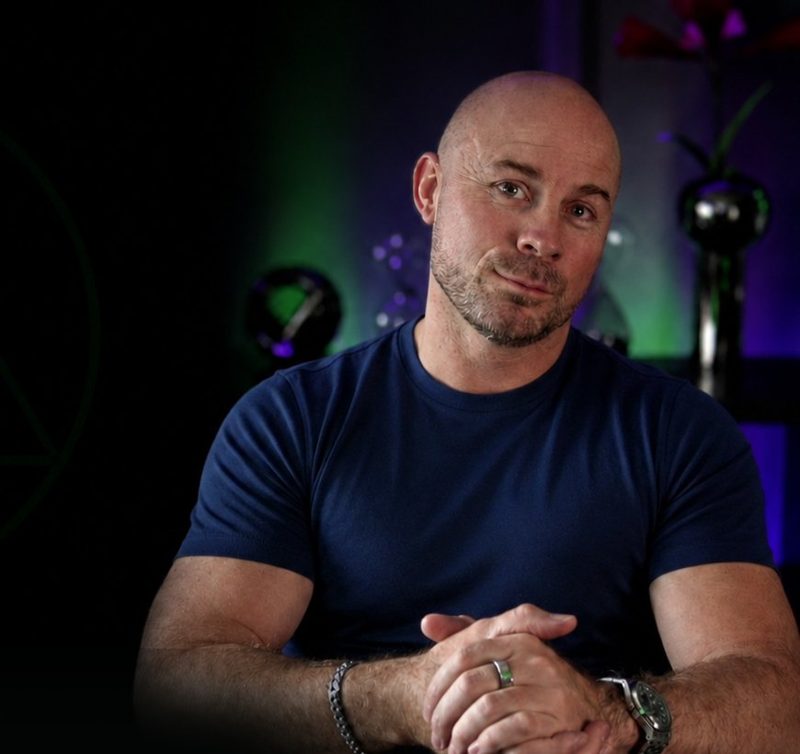
If you’ve tried to talk yourself out of this fear and it hasn’t worked, that isn’t a lack of willpower. A phobia is an alarm your mind learned, and logic alone rarely switches it off.
When a fear is less common, it can be harder to explain, so you may not have told many people about it. I work one to one over Zoom with people whose fears are holding them back, including rarer ones like this, and every plan starts with understanding what your fear is really about.
I’ve spent 17 years in clinical practice and helped more than 1,000 people with phobias. I hold a Postgraduate Certificate and a Postgraduate Diploma in Clinical Hypnotherapy, both with Distinction, and journalists and clients call me the Phobia Guru.
Common questions
Can a fear of home come from past experiences?
Yes, sometimes it does. A home can hold memories of stress, conflict or times that felt unsafe. If this fear is linked to past mistreatment, a GP or a specialist counsellor can help, gently and at your own pace.
How can you help?
I use hypnotherapy and NLP to change how your mind responds to the thing you fear, so the old alarm stops going off. Sessions are one to one over Zoom, and you get a recording of the hypnosis to listen to afterwards.
How many sessions will I need?
Many clients notice a real difference after one 90 minute session. If the fear goes back a long way, three sessions gives us room to make the change stick.
Further reading: NHS: Claustrophobia · Cleveland Clinic: Nyctophobia · NHS: Phobias
Ready to start?
A short call is the simplest next step. We’ll talk about your fear, what you’d like to feel instead, and whether I’m the right person to help.
- Take the free test at the top of this page to see how strong your fear is.
- Book a 30 minute call. Use code PHOBIA at checkout for half price: £24.50 instead of £49 ($29.50 outside the UK).
- Start your sessions over Zoom from wherever you live, or face to face in Hertfordshire.
See all session options and prices