
Fear of ideas (ideophobia)
Ideophobia is a fear of ideas. It might show up as unease with new ways of thinking, avoiding debate or discussion, or distress at your own unwanted or unusual thoughts. Some people feel safer sticking to familiar routines and opinions.
Many people find that with the right help, new ideas and lively discussions become interesting rather than threatening.
Use code PHOBIA at checkout for half price: £24.50 instead of £49. Outside the UK? $29.50.
About this phobia
The name comes from the Greek idea, meaning form or notion. It is a rarely reported term found mostly on lists of phobias, with little clinical documentation. It can be linked to fear of change, known as metathesiophobia, and to heresyphobia, the fear of ideas that challenge official doctrine.
How it shows up
Most people like some routine, but ideophobia can make any new thought feel risky. A friend’s new plan, a debate at work or a sudden odd thought can bring anxiety. Some people fear outside ideas that might change their beliefs, while others are frightened by unwanted thoughts that pop into their own heads. It differs from being set in your ways because the reaction is fearful rather than a matter of taste.
Common triggers
- Unfamiliar opinions or theories
- Brainstorming sessions
- Debates and discussions
- Unwanted intrusive thoughts
- Books or documentaries on new topics
- Big changes to plans
- Being asked for your own opinion
Where it shows up
- Meetings and workshops
- Classrooms and lectures
- Online discussions
- Family debates
- Late at night when thoughts wander
- Book clubs and discussion groups
Symptoms
In your body
- Tense shoulders
- Racing heart
- Restlessness
- Headaches
- Trouble sleeping
In your mind
- Fear of losing control of thoughts
- Discomfort with uncertainty
- Worry about what thoughts mean
- Feeling unsettled by what you cannot predict
What you might do
- Avoiding discussions
- Sticking rigidly to routines
- Dismissing new ideas quickly
- Trying hard to block thoughts
What may cause it
There is little clinical research on ideophobia, so its causes are not clearly known. It may grow in settings where new ideas were discouraged or punished, or where change brought upheaval, such as moving home often or a family break-up. Where the fear is about your own thoughts, it may overlap with OCD, in which unwanted thoughts feel dangerous and must be pushed away. Trying to block thoughts tends to make them come back more often, which deepens the fear.
How it can affect your life
The fear can limit learning, career growth and creative work, where fresh thinking is valued. It may make relationships tense when others want to try new things. Where intrusive thoughts are involved, it can be exhausting and lonely.
Related fears
- Fear of change (metathesiophobia)
- Fear of challenges to doctrine (heresyphobia)
- Fear of the unknown
- Obsessive compulsive disorder (OCD)
Things that can help day to day
- Listen to one new idea a day without needing to agree or decide anything
- Write odd thoughts down and notice that they pass on their own
- Try one small change to your routine each week, such as a new route or recipe
- Remind yourself that a thought is not an action and says nothing about who you are
When to get help
If unwanted thoughts are distressing or the fear is limiting your life, speak to your GP. Talking therapy can help with both, and in England you can also refer yourself to NHS Talking Therapies.
Explore more unusual fears in the rare phobias A to Z, or browse the common phobias.
About me
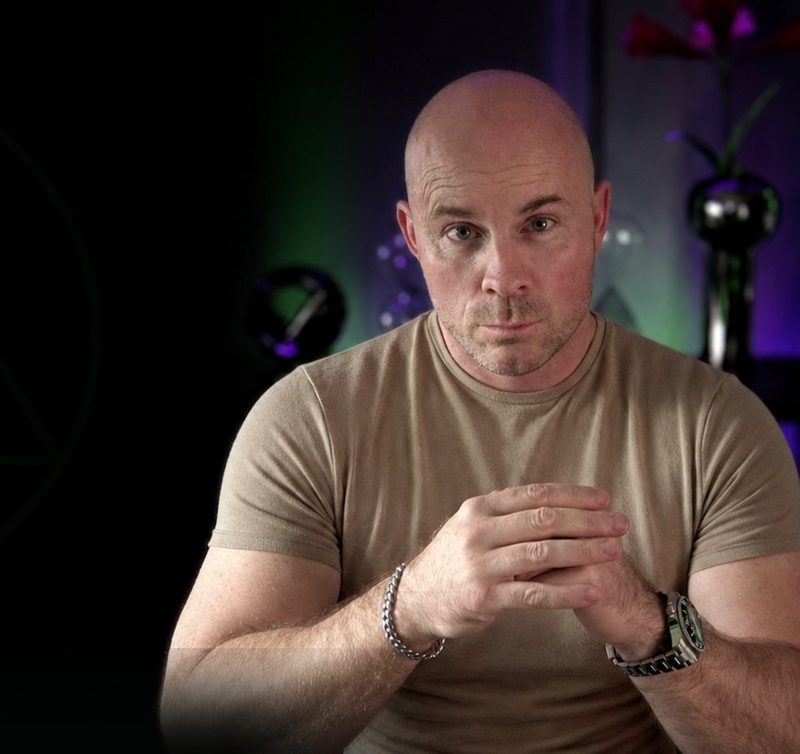
If you’ve tried to talk yourself out of this fear and it hasn’t worked, that isn’t a lack of willpower. A phobia is an alarm your mind learned, and logic alone rarely switches it off.
When a fear is less common, it can be harder to explain, so you may not have told many people about it. I work one to one over Zoom with people whose fears are holding them back, including rarer ones like this, and every plan starts with understanding what your fear is really about.
I’ve spent 17 years in clinical practice and helped more than 1,000 people with phobias. I hold a Postgraduate Certificate and a Postgraduate Diploma in Clinical Hypnotherapy, both with Distinction, and journalists and clients call me the Phobia Guru.
Common questions
What if I am frightened by my own thoughts?
Unwanted or upsetting thoughts are very common and do not say anything about who you are. When they are frequent and cause a lot of distress, they can be part of anxiety or OCD. A GP can help you find the right support.
How can you help?
I use hypnotherapy and NLP to change how your mind responds to the thing you fear, so the old alarm stops going off. Sessions are one to one over Zoom, and you get a recording of the hypnosis to listen to afterwards.
How many sessions will I need?
Many clients notice a real difference after one 90 minute session. If the fear goes back a long way, three sessions gives us room to make the change stick.
Further reading: Medical News Today: Fear of change · NHS: Obsessive compulsive disorder · NHS: Phobias
Ready to start?
A short call is the simplest next step. We’ll talk about your fear, what you’d like to feel instead, and whether I’m the right person to help.
- Take the free test at the top of this page to see how strong your fear is.
- Book a 30 minute call. Use code PHOBIA at checkout for half price: £24.50 instead of £49 ($29.50 outside the UK).
- Start your sessions over Zoom from wherever you live, or face to face in Hertfordshire.
See all session options and prices