
Fear of imperfection (atelophobia)
En español: lee sobre este miedo en Fobias.org.
A fear of imperfection can show up at work, at home, in creative projects and even in how you look. It often goes with perfectionism and a fear of making mistakes, and it can be helped.
Many people find that with the right help, good enough starts to feel good enough, and finishing things becomes easier.
Use code PHOBIA at checkout for half price: £24.50 instead of £49. Outside the UK? $29.50.
Understanding this fear
Atelophobia is an overwhelming fear of being imperfect or getting something wrong. It shows up as harsh self judgement, impossibly high standards and a sense that nothing you do is ever good enough. Wanting to do a good job is healthy. With this fear, the dread of a flaw or mistake becomes so strong that it causes real distress or stops you starting things at all.
It is closely tied to perfectionism, but it is not quite the same thing as a fear of failure, which is usually about the outcome. Atelophobia is more about flaws, in your work, your home or yourself. It can affect students, professionals, parents and creative people alike, and it often sits alongside anxiety, low mood or obsessive checking.
Common triggers
- Handing in work or sending an email
- Receiving feedback or criticism
- Being watched while you do a task
- Trying something new with no guarantee
- Looking at your appearance in photos
- Comparing yourself with colleagues or friends online
- Tight deadlines with no time to check
- Spotting a small error after the fact
Where it shows up
- Workplaces and performance reviews
- Schools, colleges and exams
- Home, especially when guests visit
- Gyms and sports clubs
- Social media and online profiles
- Art, music and writing projects
Symptoms
In your body
- Tension headaches and tight jaw
- Racing heart before sharing work
- Sweating or hot face when corrected
- Exhaustion and burnout
- Upset stomach or indigestion
- Restless sleep running through tasks
In your mind
- If it is not perfect, it is worthless
- One mistake will show everyone I am not good enough
- Harsh inner criticism after small slips
- Difficulty enjoying anything you have achieved
- Shame rather than disappointment after an error
What you might do
- Putting things off until the last minute
- Checking and redoing work many times
- Avoiding tasks you might not do well
- Struggling to say no or to delegate
- Seeking reassurance that work is good enough
- Abandoning projects that are not going perfectly
What causes it
Most phobias do not have one single cause, and this one is no different. Growing up where mistakes were punished, mocked or met with disappointment can teach the mind that being imperfect is dangerous. A family history of anxiety, other existing fears and a naturally conscientious personality can all add to it. School, workplace pressure and social media comparison can raise the bar further. Checking, redoing and avoiding bring short term relief, but they stop you learning that small flaws are survivable, so the fear keeps its grip.
How it can affect your life
This fear can make work slow and stressful, with hours lost to checking and redoing, or deadlines missed through putting things off. It can hold you back from promotions, creative projects or new opportunities because you would rather not try than risk falling short. Relationships can suffer when you are hard on yourself or others, or too tired to enjoy time together. Over time it is linked with burnout, low self esteem and low mood.
Things that can help day to day
- Set a good enough standard before you start and stop when you reach it
- Put a time limit on checking, then send or hand it in
- Practise one small, deliberate imperfection each day
- Talk to yourself as you would to a friend who made the same slip
- Write down what you learned from a mistake, not just what went wrong
When to get help
If perfectionism is causing burnout, missed deadlines, low mood or trouble sleeping, it is worth getting support. Your GP is a good first port of call if anxiety is affecting your daily life, and can talk through talking therapy options.
How I can help
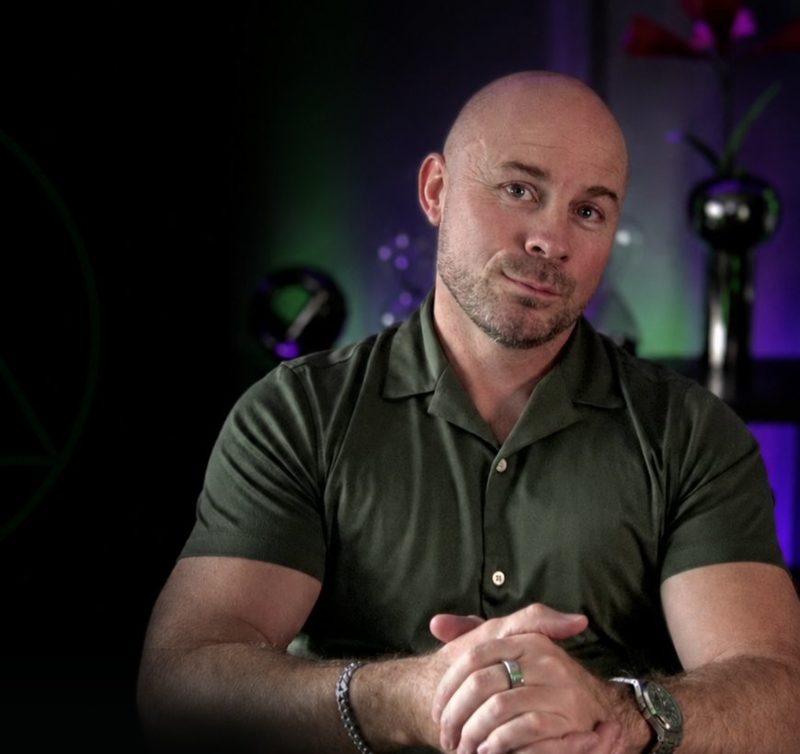
If you’ve tried to talk yourself out of this fear and it hasn’t worked, that isn’t a lack of willpower. A phobia is an alarm your mind learned, and logic alone rarely switches it off.
When I work with a fear of imperfection over Zoom, I want to find out what being imperfect really means to you, because underneath there is usually an old message about not being good enough. Using hypnotherapy and NLP, we can loosen the hold of those early experiences and the inner critic that grew from them. I then help you rehearse handing in work, hearing feedback or leaving something unfinished, while feeling calm and steady. Many clients find they get more done, with less stress, once mistakes stop feeling like a threat.
I’ve spent 17 years in clinical practice and helped more than 1,000 people with phobias. I hold a Postgraduate Certificate and a Postgraduate Diploma in Clinical Hypnotherapy, both with Distinction.
Common questions
What is the difference between atelophobia and perfectionism?
Perfectionism is a trait, a drive for very high standards. Atelophobia is when the fear of flaws becomes intense enough to cause distress, avoidance or panic. Many perfectionists cope fine, but for some it tips into a phobia.
Is atelophobia the same as fear of failure?
They overlap, but a fear of failure is usually about the result, such as not passing or not winning. Atelophobia is more about flaws and being imperfect, even when the overall result is good.
Why do I procrastinate if I want things to be perfect?
Putting things off protects you from the moment of being judged. If you never finish, the work can never be found wanting. It is a common sign of this fear, not laziness.
Is this just perfectionism?
It is closely related. Perfectionism becomes a phobia when the fear of getting something wrong holds you back or causes real distress. Plenty of people live with it for years without realising it can change.
How can you help?
I use hypnotherapy and NLP to change how your mind responds to the thing you fear, so the old alarm stops going off. Sessions are one to one over Zoom, and you get a recording of the hypnosis to listen to afterwards.
How many sessions will I need?
Many clients notice a real difference after one 90 minute session. If the fear goes back a long way, three sessions gives us room to make the change stick.
Further reading: Cleveland Clinic: Atelophobia (fear of imperfection) · Psych Central: Overcoming the fear of making mistakes · NHS: Phobias
Ready to start?
A short call is the simplest next step. We’ll talk about your fear, what you’d like to feel instead, and whether I’m the right person to help.
- Take the free test at the top of this page to see how strong your fear is.
- Book a 30 minute call. Use code PHOBIA at checkout for half price: £24.50 instead of £49 ($29.50 outside the UK).
- Start your sessions over Zoom from wherever you live, or face to face in Hertfordshire.
See all session options and prices