
Fear of infinity and eternity (apeirophobia)
En español: lee sobre este miedo en Fobias.org.
A fear of infinity can hit when you think about space, eternity, or numbers that never end. It tends to come in waves at night or in quiet moments, and it can be helped.
Many people find that with the right help, thoughts about space and eternity can come and go without the dread, even in quiet moments at night.
Use code PHOBIA at checkout for half price: £24.50 instead of £49. Outside the UK? $29.50.
Understanding this fear
Apeirophobia is a fear of infinity, eternity and things that never end. It is not about a physical object you can avoid. It is a fear of an idea, which can arrive out of nowhere when you think about endless space, time going on forever or what forever might feel like. Most people find these thoughts a little dizzying, but with this fear they can bring real dread or a panic attack.
It is not listed as a separate diagnosis, though it fits the pattern of a specific phobia, and research on it is very limited. It often starts in childhood or the teenage years, sometimes after a first real thought about death or the universe. It tends to be linked with existential worries, a fear of death and a fear of time passing, and for some people it overlaps with obsessive, looping thoughts.
Common triggers
- Thinking about the size of the universe
- Ideas of eternal life or never ending existence
- Thoughts about what happens after death
- Numbers or patterns that go on forever
- Mirrors facing each other or endless reflections
- Documentaries about space and time
- Lying awake in silence at night
- Philosophical or religious conversations
Where it shows up
- Bed at night, just before sleep
- Quiet moments when the mind wanders
- Planetariums and science museums
- Under a wide night sky
- Places of worship or funerals
- Maths or physics lessons
Symptoms
In your body
- Sudden wave of panic or a jolt in the chest
- Racing heart and fast breathing
- Dizziness or a falling feeling
- Sweating or chills
- Nausea
- Trouble getting to sleep
In your mind
- It will never, ever end
- A sense of being tiny and lost
- Feeling unreal or detached from the world
- Looping thoughts you cannot switch off
- Dread about death or what comes after
What you might do
- Avoiding space programmes, films or books
- Keeping the radio or TV on to fill silence
- Distracting yourself the moment the thought starts
- Avoiding conversations about death or belief
- Seeking reassurance from others at night
What causes it
The causes are not well understood. For many people it seems to begin the first time the mind really grasps that space or time might have no end, often in childhood or adolescence. It may be tied to deeper worries about death, about nothingness, or about an afterlife that lasts forever. People with a general tendency to anxiety or to obsessive thoughts may be more prone to it. Trying hard to push the thoughts away, or avoiding anything that might bring them up, tends to make them come back stronger.
How it can affect your life
Because the trigger is a thought, it can feel impossible to escape. Many people find it disturbs their sleep, which then affects mood, concentration and work. It can make it hard to enjoy science, stargazing or films that touch on space and time. Some people feel isolated because the fear seems hard to explain to others.
Things that can help day to day
- Bring yourself back to the present by naming five things you can see and hear
- Practise slow breathing when the thought starts, rather than fighting it
- Have a calm bedtime routine and a gentle audio to listen to
- Remind yourself that a thought is not a danger, and let it pass at its own pace
- Talk to someone you trust instead of carrying it alone
When to get help
If these thoughts are disturbing your sleep, causing panic attacks or leaving you feeling detached or low, it is worth getting support. Your GP is a good first step if anxiety is affecting your daily life. If you are feeling very low, you can talk to Samaritans at any time on 116 123.
How I can help
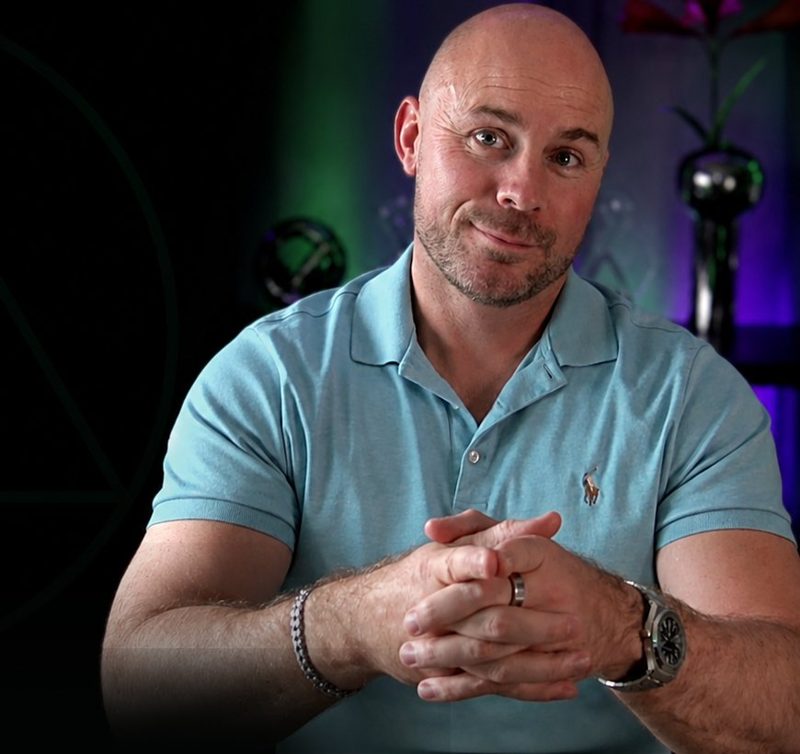
If you’ve tried to talk yourself out of this fear and it hasn’t worked, that isn’t a lack of willpower. A phobia is an alarm your mind learned, and logic alone rarely switches it off.
When I work with a fear of infinity over Zoom, I start by finding out what the idea of forever really means to you, because it is often linked to something more personal, such as a worry about death or feeling small and unsafe. With hypnotherapy and NLP, we can change the way your mind reacts when that thought arrives, so it becomes something you can notice and set down. I also help you build a calm, grounded feeling you can call on at night. Many clients find the thoughts lose their power to grab them.
I’ve spent 17 years in clinical practice and helped more than 1,000 people with phobias. I hold a Postgraduate Certificate and a Postgraduate Diploma in Clinical Hypnotherapy, both with Distinction.
Common questions
Why does thinking about infinity give me panic attacks?
Infinity is something the mind cannot picture or control, and for an anxious brain that loss of control can feel like danger. The body reacts as though there is a real threat, even though it is only a thought.
Is apeirophobia linked to fear of death?
Often, yes. Many people with this fear find it tied to worries about what happens after death, or about existing forever. Working on the underlying worry often eases the fear of infinity too.
Why does it get worse at night?
At night there are fewer distractions, and a tired mind is more likely to drift into big, unanswerable questions. A calm routine and grounding techniques can help.
Is a fear of infinity normal?
It is unusual as a named phobia, but many people find the idea of endless space or time unsettling. It becomes a problem when the thoughts take over or cause panic.
How can you help?
I use hypnotherapy and NLP to change how your mind responds to the thing you fear, so the old alarm stops going off. Sessions are one to one over Zoom, and you get a recording of the hypnosis to listen to afterwards.
How many sessions will I need?
Many clients notice a real difference after one 90 minute session. If the fear goes back a long way, three sessions gives us room to make the change stick.
Further reading: Wikipedia: Apeirophobia · NHS: Phobias · Mind: About phobias
Ready to start?
A short call is the simplest next step. We’ll talk about your fear, what you’d like to feel instead, and whether I’m the right person to help.
- Take the free test at the top of this page to see how strong your fear is.
- Book a 30 minute call. Use code PHOBIA at checkout for half price: £24.50 instead of £49 ($29.50 outside the UK).
- Start your sessions over Zoom from wherever you live, or face to face in Hertfordshire.
See all session options and prices