
Fear of jealousy (zelophobia)
Zelophobia is a fear of jealousy, whether that means feeling it yourself or being on the receiving end of it. Someone with this worry might avoid dating, play down good news so friends do not feel envious, or tense up whenever a partner mentions an ex.
About this phobia
The name appears to draw on the Greek zelos, a word tied to both jealousy and zeal. It is rarely reported and turns up mainly on lists of phobias rather than in clinical writing. Related worries include fear of rejection, fear of conflict and general relationship anxiety.
How it shows up
Jealousy is a common human feeling, and most people feel a pang of it now and then. With zelophobia the fear of jealousy, whether feeling it or receiving it, becomes strong enough to shape relationships. Some people avoid sharing successes in case others resent them, while others keep partners at arm’s length so they will never feel jealous themselves. It differs from ordinary caution because it causes ongoing distress and can stop people enjoying close relationships.
Common triggers
- A partner mentioning an ex
- Friends’ good news
- Sharing your own achievements
- Social media posts
- Flirting or attention from others
- Comparisons between siblings
- Celebrations such as promotions or engagements
Where it shows up
- Dating and new relationships
- Workplaces with competition
- Family events
- Social media
- Friendship groups
- Group chats
Symptoms
In your body
- Tight chest
- Knotted stomach
- Racing heart
- Trouble sleeping
- Hot face or flushing
In your mind
- Fear of losing people
- Worry about upsetting others
- Self-criticism
- Overthinking messages and comments
What you might do
- Hiding good news
- Avoiding dating
- Checking a partner’s phone or social media
- Seeking reassurance
What may cause it
Zelophobia is rarely studied, but fear of jealousy links with relationship anxiety, low self-esteem and past experiences. Being on the receiving end of jealousy, or growing up with constant comparisons, can make the feeling seem dangerous. Some people have seen how jealousy damaged a relationship close to them and fear repeating it. Avoiding closeness or hiding success can bring relief but keeps the fear going.
How it can affect your life
The fear can affect dating, friendships and family relationships, and make it hard to enjoy achievements. It may lead to isolation or strain with partners. Playing down good news over and over can also wear away confidence.
Related fears
- Fear of rejection
- Fear of conflict
- Fear of commitment (gamophobia)
- Relationship anxiety
Things that can help day to day
- Treat jealousy as a passing feeling, not a fact about the relationship
- Talk openly with people you trust about what worries you
- Practise sharing small bits of good news
- Write down your fears and look at them again when calmer
When to get help
If the fear is affecting your relationships or mood, speak to your GP or a therapist, who can help you understand where it comes from. If it is linked to past mistreatment or a controlling relationship, a GP or specialist counsellor can help.
Explore more unusual fears in the rare phobias A to Z, or browse the common phobias.
About me
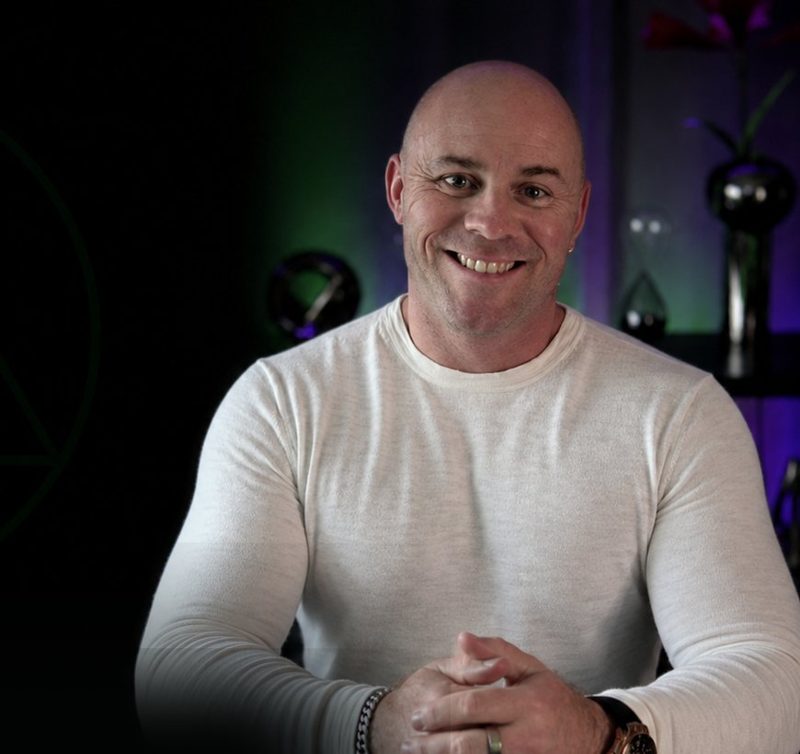
I am Adam Cox, a clinical hypnotherapist with more than 20 years of experience, and journalists and clients call me the Phobia Guru. I work one to one over Zoom with people whose fears are holding them back, including rarer ones like this. Every plan starts with understanding what your fear is really about.
Common questions
Is it normal to be scared of my own jealousy?
Jealousy is a common human feeling, and many people dislike how it makes them act. It becomes more of a problem when the fear of it shapes your choices, such as avoiding relationships altogether. If it is linked to a past relationship where jealousy was used to control or hurt you, a GP or specialist counsellor can help.
How can you help?
I use hypnotherapy and NLP to change how your mind responds to the thing you fear, so the old alarm stops going off. Sessions are one to one over Zoom, and you get a recording of the hypnosis to listen to afterwards.
How many sessions will I need?
Many clients notice a real difference after one 90 minute session. If the fear goes back a long way, three sessions gives us room to make the change stick.
Further reading: Cleveland Clinic: How to deal with jealousy · Psychology Today: Jealousy · NHS: Phobias
Ready to start?
Book a £49 consultation call and we’ll talk through your fear, or take the free suitability test first.
See all session options and prices
Hypnosis downloads for this fear
Prefer to start on your own? This recorded session from my store is £9.99 and yours to keep.
