
Fear of jumping from high places (catapedaphobia)
Catapedaphobia is a fear of jumping from high places, or of jumping down from anything raised. It might show up as refusing to jump off a diving board, a wall or the last few rungs of a ladder, or freezing at the top of a climbing frame. Some people fear the landing more than the height.
Many people find that with the right help, stepping or jumping down from something raised feels steady and ordinary again.
Use code PHOBIA at checkout for half price: £24.50 instead of £49. Outside the UK? $29.50.
About this phobia
Catapedaphobia appears mostly on lists of unusual phobias and has very little clinical documentation. It is closely linked to acrophobia, the fear of heights, and to fears of falling or getting hurt. For many people it is less about the height and more about losing control for a moment in mid-air.
How it shows up
Catapedaphobia tends to strike at one particular moment: the second before you leave the ground. A person may climb down a ladder rung by rung rather than hop the last step, or stand frozen on a low wall that others jump from easily. For some it is about the fall, for some the landing, and for others the brief loss of control. It is different from sensible caution because it happens even with small, safe drops.
Common triggers
- Jumping off a wall, step or bench
- The last rungs of a ladder
- Diving boards and pool edges
- Climbing frames and play equipment
- Getting down from a high vehicle
- Being urged by others to jump
- Hopping between rocks or stepping stones
Where it shows up
- Swimming pools
- Playgrounds and parks
- Gyms and PE lessons
- Lorries, vans and buses
- Climbing walls and activity centres
- Beaches with rocks and sea walls
Symptoms
In your body
- Legs locking or shaking
- Dizziness
- Racing heart
- Butterflies in the stomach
- Holding the breath
In your mind
- Pictures of landing badly or getting hurt
- Fear of losing control mid-air
- Embarrassment at being watched
- Doubting your own balance
What you might do
- Climbing down slowly instead of jumping
- Refusing activities that involve a drop
- Holding tightly to rails
- Making excuses at pools or activity days
What may cause it
A painful fall or seeing someone get hurt can easily turn into fear of jumping. Some people are simply more aware of their body in space, and dizziness or balance problems can add to it. Catapedaphobia has very little research of its own and is usually seen as close to fear of heights and of falling. Being pushed to jump before feeling ready can make it worse.
How it can affect your life
Children may miss out on play and sport, and adults may avoid swimming, activity holidays or certain jobs. Some people feel embarrassed in front of friends or their own children. It can also make some practical tasks harder, such as climbing down from a loft, a boat or a high step on a train.
Related fears
- Fear of heights (acrophobia)
- Fear of falling (basophobia)
- Fear of injury (traumatophobia)
Things that can help day to day
- Never push yourself to jump from anything unsafe, as small, safe steps are enough
- Practise stepping down from a low step and notice how solid the landing feels
- Use handrails and ladders without shame while confidence grows
- Ask a qualified instructor for help at pools or climbing centres
When to get help
If you have problems with balance, dizziness or joint pain, see your GP first. If the fear is stopping you or your child joining in ordinary activities, a therapist can help.
Explore more unusual fears in the rare phobias A to Z, or browse the common phobias.
About me
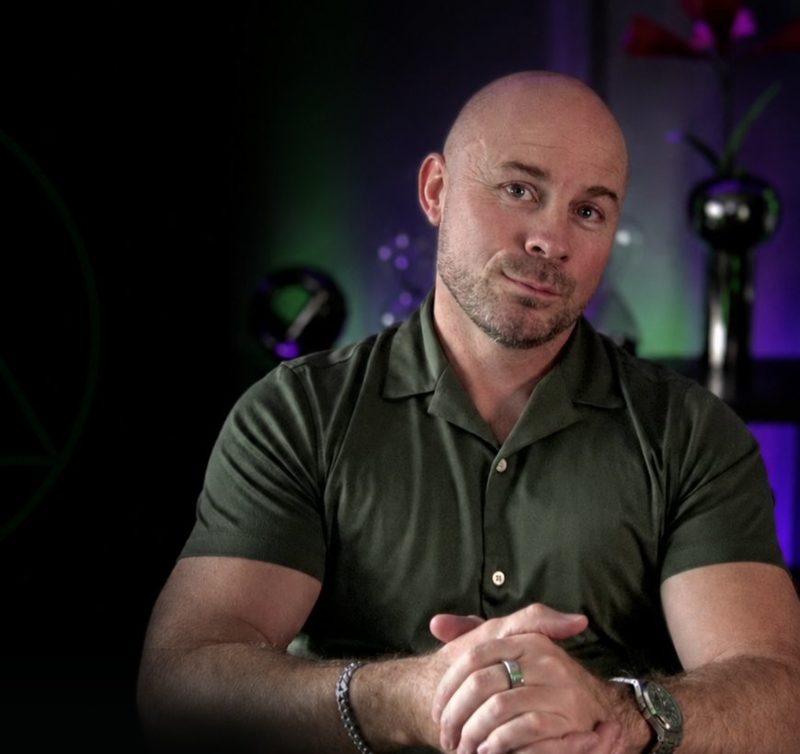
If you’ve tried to talk yourself out of this fear and it hasn’t worked, that isn’t a lack of willpower. A phobia is an alarm your mind learned, and logic alone rarely switches it off.
When a fear is less common, it can be harder to explain, so you may not have told many people about it. I work one to one over Zoom with people whose fears are holding them back, including rarer ones like this, and every plan starts with understanding what your fear is really about.
I’ve spent 17 years in clinical practice and helped more than 1,000 people with phobias. I hold a Postgraduate Certificate and a Postgraduate Diploma in Clinical Hypnotherapy, both with Distinction, and journalists and clients call me the Phobia Guru.
Common questions
How is this different from a fear of heights?
A fear of heights can be set off just by being up high, while catapedaphobia centres on the act of jumping down. Many people have both, but some are fine with heights as long as they do not have to leave the ground on purpose.
How can you help?
I use hypnotherapy and NLP to change how your mind responds to the thing you fear, so the old alarm stops going off. Sessions are one to one over Zoom, and you get a recording of the hypnosis to listen to afterwards.
How many sessions will I need?
Many clients notice a real difference after one 90 minute session. If the fear goes back a long way, three sessions gives us room to make the change stick.
Further reading: Acrophobia research starter (EBSCO)
Ready to start?
A short call is the simplest next step. We’ll talk about your fear, what you’d like to feel instead, and whether I’m the right person to help.
- Take the free test at the top of this page to see how strong your fear is.
- Book a 30 minute call. Use code PHOBIA at checkout for half price: £24.50 instead of £49 ($29.50 outside the UK).
- Start your sessions over Zoom from wherever you live, or face to face in Hertfordshire.
See all session options and prices