
Fear of kidney disease (albuminurophobia)
Albuminurophobia is a fear of kidney disease. Someone with this fear may check their urine often, worry about back aches, or search symptoms online for reassurance that rarely lasts. Any real symptoms or concerns about kidney health are best checked with a GP, who can arrange simple tests.
You can look after your health without the worry running your days. Many people find that with the right help, the checking and searching ease.
Use code PHOBIA at checkout for half price: £24.50 instead of £49. Outside the UK? $29.50.
About this phobia
The name is built on albuminuria, the medical term for a protein called albumin appearing in urine, which can be a sign of kidney problems. The phobia term itself is found mainly on lists of unusual phobias rather than in clinical use. It is closely related to health anxiety and to nosophobia, the fear of having a disease.
How it shows up
People with albuminurophobia are often caught in a loop of noticing, checking and seeking reassurance. Darker urine after a hot day, bubbles in the toilet or a twinge in the lower back can quickly feel like evidence of kidney damage. Reassurance from a test may help for a little while before the doubt creeps back. This is different from a sensible interest in health, as the worry stays even when there is no sign of a problem.
Common triggers
- Bubbles or froth in urine
- Changes in urine colour
- Aches in the back or sides
- Hearing about someone with kidney problems
- Health articles or adverts about kidneys
- Routine blood or urine tests
Where it shows up
- The bathroom at home
- Waiting rooms before check ups
- Late at night when searching online
- After drinking less water than usual
- During stressful or busy periods
Symptoms
In your body
- Tight chest or fast heartbeat when checking
- Noticing every ache in the back
- Trouble sleeping
- Feeling on edge or restless
In your mind
- Jumping to the worst explanation for small changes
- Doubting normal test results
- Difficulty focusing on anything else
- Feeling that the body cannot be trusted
What you might do
- Checking urine many times a day
- Searching symptoms online
- Asking for repeat tests or reassurance
- Avoiding doctors altogether for fear of bad news
What may cause it
There is no research on albuminurophobia as a separate fear, and it is best understood as a focused form of health anxiety. Knowing someone with kidney disease, a past health scare or an unclear test result can all bring the fear into focus. Checking and searching often bring brief relief, but they keep attention fixed on the body and make normal changes seem alarming. Stress, tiredness and big life changes can make the worry louder.
How it can affect your life
Constant checking and searching can take up a lot of time and energy, and may affect sleep, work and mood. Some people visit the GP often, while others avoid medical care completely, and both patterns can make the fear harder to settle.
Related fears
- Fear of disease (nosophobia)
- Health anxiety
- Fear of doctors (iatrophobia)
Things that can help day to day
- Agree a plan with your GP for any tests, then try not to add extra checks between them
- Set a daily limit on looking up symptoms online
- Note how often you check, and aim to cut it down a little each week
- Fill quiet times with things that hold your attention
When to get help
Any real symptoms, such as changes in urine, swelling or ongoing pain, should be checked by a GP, who can arrange simple tests. If the worry carries on after normal results, a GP can also refer you for talking therapy for health anxiety.
Explore more unusual fears in the rare phobias A to Z, or browse the common phobias.
About me
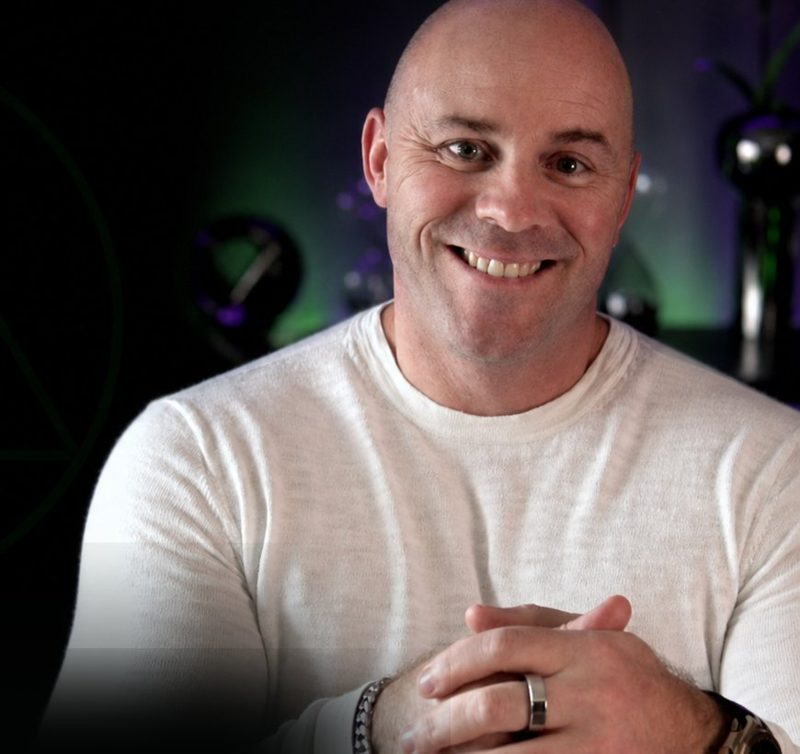
If you’ve tried to talk yourself out of this fear and it hasn’t worked, that isn’t a lack of willpower. A phobia is an alarm your mind learned, and logic alone rarely switches it off.
When a fear is less common, it can be harder to explain, so you may not have told many people about it. I work one to one over Zoom with people whose fears are holding them back, including rarer ones like this, and every plan starts with understanding what your fear is really about.
I’ve spent 17 years in clinical practice and helped more than 1,000 people with phobias. I hold a Postgraduate Certificate and a Postgraduate Diploma in Clinical Hypnotherapy, both with Distinction, and journalists and clients call me the Phobia Guru.
Common questions
Is fear of kidney disease a form of health anxiety?
Often, yes. A fear focused on one illness frequently sits within wider health anxiety, where normal body sensations feel like warning signs. Checking any genuine symptoms with a GP is the right first step, and support for the anxiety itself can help too.
How can you help?
I use hypnotherapy and NLP to change how your mind responds to the thing you fear, so the old alarm stops going off. Sessions are one to one over Zoom, and you get a recording of the hypnosis to listen to afterwards.
How many sessions will I need?
Many clients notice a real difference after one 90 minute session. If the fear goes back a long way, three sessions gives us room to make the change stick.
Further reading: Health anxiety (hypochondria), nidirect · Health anxiety, Birmingham and Solihull Mental Health NHS Foundation Trust
Ready to start?
A short call is the simplest next step. We’ll talk about your fear, what you’d like to feel instead, and whether I’m the right person to help.
- Take the free test at the top of this page to see how strong your fear is.
- Book a 30 minute call. Use code PHOBIA at checkout for half price: £24.50 instead of £49 ($29.50 outside the UK).
- Start your sessions over Zoom from wherever you live, or face to face in Hertfordshire.
See all session options and prices