
Fear of knowledge (epistemophobia)
Epistemophobia is a fear of knowledge or of finding certain things out. In daily life it might look like avoiding the news, leaving letters unopened, or feeling uneasy in classrooms and libraries. For some people the worry is less about knowledge itself and more about what knowing something might mean or demand of them.
Many people find that with the right help, they can open the letter, read the news or ask the question, and cope with the answer.
Use code PHOBIA at checkout for half price: £24.50 instead of £49. Outside the UK? $29.50.
About this phobia
The name comes from the Greek episteme, meaning knowledge. It turns up mainly on lists of phobias rather than in clinical writing, so there is little formal documentation of it as a separate condition. It can overlap with more familiar worries such as fear of failure, fear of change or a general dread of bad news.
How it shows up
For most people, not wanting to hear something is a passing moment. With epistemophobia the avoidance becomes a pattern: a test result goes unchecked for weeks, a bank statement stays in the drawer, or a course is dropped just before the marks come out. The person often knows that not knowing is making things worse, yet the dread of what the facts might say feels bigger than the cost of looking away. That gap between knowing better and still avoiding is what sets it apart from simple lack of interest.
Common triggers
- Unopened post or official letters
- Medical test results
- Bank and credit card statements
- Breaking news alerts
- Exam or appraisal results
- Being asked to learn a new system
- Family secrets or difficult history
Where it shows up
- At home when the post arrives
- Waiting for a call from a doctor or employer
- Classrooms, lectures and training days
- Libraries and bookshops
- Scrolling news apps on a phone
Symptoms
In your body
- Tight chest or shallow breathing
- Churning stomach
- Restless hands or fidgeting
- Tension headaches
- Trouble getting to sleep
In your mind
- Imagining the worst possible answer
- Feeling that knowing will make it real
- Racing thoughts when information is close
- Guilt about putting things off
What you might do
- Leaving letters and emails unopened
- Changing the subject when facts come up
- Muting news or deleting apps
- Asking others to find things out instead
What may cause it
There is very little research on epistemophobia as a fear in its own right, so any explanation draws on what is known about anxiety in general. It often seems to grow from past times when finding something out led to pain, such as bad news delivered suddenly, or a childhood where learning was tied to criticism. Avoidance then keeps it going, because each time the letter stays shut the relief is instant, which teaches the mind that not knowing is the safe choice. Over time the pile of unknowns can grow, and so does the dread.
How it can affect your life
Left alone, this fear can mean missed appointments, bills that grow, or health worries that are never looked into. It can also hold people back at work or in study, where picking up new skills is expected. Partners and family may feel shut out of important conversations.
Related fears
- Fear of failure (atychiphobia)
- Fear of change (metathesiophobia)
- Fear of learning (sophophobia)
- Health anxiety
Things that can help day to day
- Open one small piece of post a day with a cup of tea beside you
- Ask a trusted person to sit with you when you check results
- Write down the worst case, then the most likely case
- Keep news to one set time a day rather than cutting it off completely
When to get help
If avoiding information means health checks, bills or legal letters are being ignored, it is time to get support. Speak to your GP, especially about any results or symptoms you have put off, and they can also point you towards talking therapy.
Explore more unusual fears in the rare phobias A to Z, or browse the common phobias.
About me
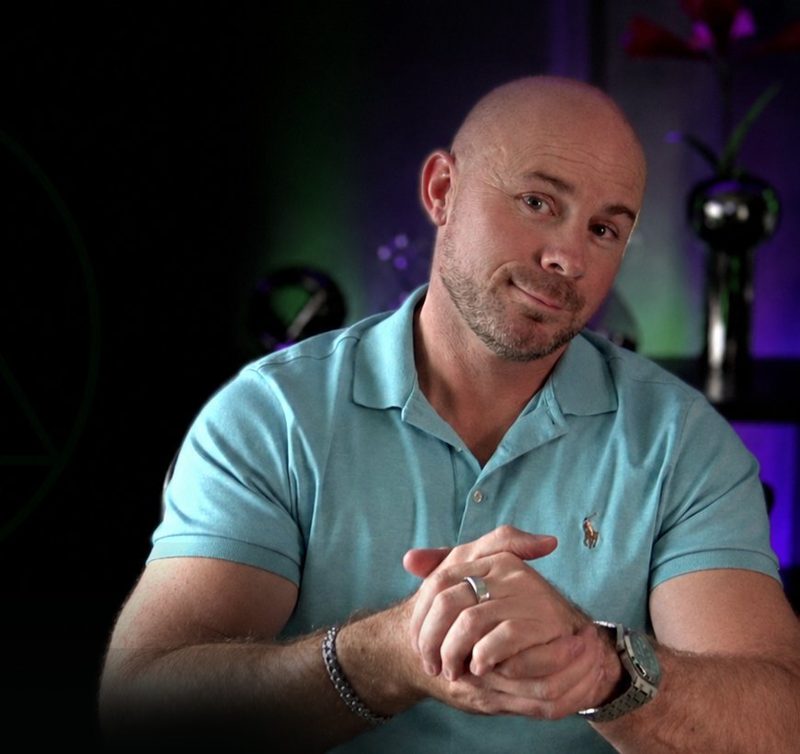
If you’ve tried to talk yourself out of this fear and it hasn’t worked, that isn’t a lack of willpower. A phobia is an alarm your mind learned, and logic alone rarely switches it off.
When a fear is less common, it can be harder to explain, so you may not have told many people about it. I work one to one over Zoom with people whose fears are holding them back, including rarer ones like this, and every plan starts with understanding what your fear is really about.
I’ve spent 17 years in clinical practice and helped more than 1,000 people with phobias. I hold a Postgraduate Certificate and a Postgraduate Diploma in Clinical Hypnotherapy, both with Distinction, and journalists and clients call me the Phobia Guru.
Common questions
Is it normal to avoid finding things out?
Most people put off unwelcome news now and then, and that on its own is not a phobia. It becomes more of a problem when avoidance is strong, regular and gets in the way of work, study or important decisions. Talking it through with a professional can help separate ordinary reluctance from a deeper fear.
How can you help?
I use hypnotherapy and NLP to change how your mind responds to the thing you fear, so the old alarm stops going off. Sessions are one to one over Zoom, and you get a recording of the hypnosis to listen to afterwards.
How many sessions will I need?
Many clients notice a real difference after one 90 minute session. If the fear goes back a long way, three sessions gives us room to make the change stick.
Further reading: The Madness of Knowledge, Steven Connor
Ready to start?
A short call is the simplest next step. We’ll talk about your fear, what you’d like to feel instead, and whether I’m the right person to help.
- Take the free test at the top of this page to see how strong your fear is.
- Book a 30 minute call. Use code PHOBIA at checkout for half price: £24.50 instead of £49 ($29.50 outside the UK).
- Start your sessions over Zoom from wherever you live, or face to face in Hertfordshire.
See all session options and prices