
Fear of very large objects (megalophobia)
En español: lee sobre este miedo en Fobias.org.
A fear of very large objects can show up beside big ships, statues, skyscrapers, dams or in films and photos of huge things. Feeling tiny and unsafe is the usual reaction. It can be helped.
Many people find that with the right help, standing beside a big ship, statue or building feels steady rather than overwhelming.
Use code PHOBIA at checkout for half price: £24.50 instead of £49. Outside the UK? $29.50.
Understanding this fear
Megalophobia is an intense fear of very large objects, such as huge ships, towering statues, skyscrapers or giant machines. Plenty of people feel awe or a little unease beside something enormous. With megalophobia the feeling tips into panic, a sense of being tiny and unsafe, and a strong urge to look away or leave. Even photos or film scenes of huge things can set it off.
It is a specific phobia, and like most of them it often starts in childhood and becomes more noticeable in the teens or early adult years. Specific phobias as a group are thought to affect somewhere around 7 to 10 in every 100 people, though nobody knows how many have this one. It sometimes overlaps with other fears, such as a fear of deep water or of heights, which is why it helps to pin down exactly what the fear is about for you.
If dinosaurs are what bother you most, read the page on the fear of dinosaurs.
Common triggers
- Cruise ships and cargo ships in port
- Skyscrapers and tall towers seen from below
- Giant statues and monuments
- Dams, bridges and wind turbines
- Aeroplanes up close on the tarmac
- Whales or huge animals in films and documentaries
- Large vehicles such as trains, lorries and buses passing close
- Images of huge objects underwater or in space
- Large empty spaces such as stadiums
Where it shows up
- Harbours, docks and ferry terminals
- City centres with tall buildings
- Museums with large models or skeletons
- Airports and railway stations
- Cinemas and big screens
- Motorways with lorries alongside
Symptoms
In your body
- Racing heartbeat
- Short of breath or a tight chest
- Dizziness or feeling unsteady on your feet
- Feeling sick or an upset stomach
- Shaking and sweating
- Feeling frozen to the spot
In your mind
- Feeling tiny, helpless and exposed
- Thinking it could topple or crush you
- A sense of dread that is hard to explain
- Feeling unreal or detached
- Needing to get away from it right now
What you might do
- Looking down or away from large objects
- Avoiding docks, city centres or certain films
- Scrolling quickly past photos of huge things
- Planning routes to avoid big structures
- Staying close to someone who feels safe
What causes it
The exact cause is not known. Some people link it to an early frightening moment, such as being close to a huge vehicle or getting lost near a towering building as a small child. A family history of anxiety may make phobias more likely, and children can learn fear by watching a parent react. Our brains are also built to judge size as a possible danger, because something very big could fall or overpower us, so the alarm can fire even when we know we are safe. Avoiding these sights brings quick relief, which teaches the mind that the object really was a threat and keeps the fear going.
How it can affect your life
Megalophobia can make city breaks, cruises, ferry crossings and even airports feel daunting. Some people avoid certain films, museums or documentaries, or feel uneasy driving beside lorries on the motorway. It can be awkward to explain to friends, because the fear can seem odd from the outside, which can lead to feeling embarrassed or left out of plans.
Things that can help day to day
- Slow your breathing and press your feet into the ground to feel steady
- Look at pictures of large objects for short spells, starting with small images
- Remind yourself these structures are built and checked to be safe
- Bring your attention to something small and close, like your hand or a nearby bench
- Cut down on caffeine before a day out where you expect to see big structures
When to get help
It is worth getting help if the fear is stopping you from travelling, working or enjoying days out, or if you are planning your life around avoiding large structures. If anxiety is affecting your daily life, your GP is a good first port of call.
How I can help
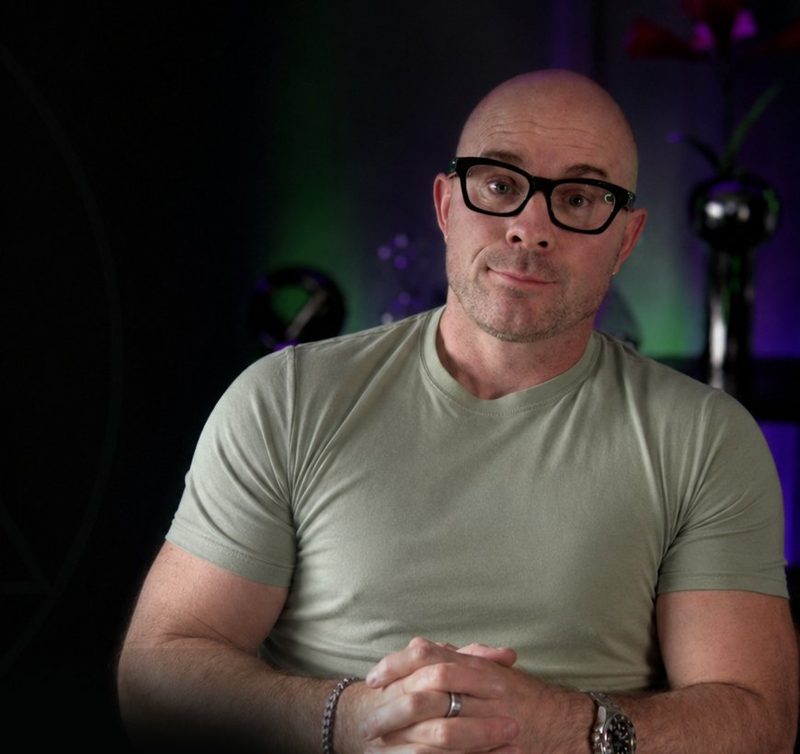
If you’ve tried to talk yourself out of this fear and it hasn’t worked, that isn’t a lack of willpower. A phobia is an alarm your mind learned, and logic alone rarely switches it off.
When I work with megalophobia over Zoom, I start by finding out what the size actually means to you, whether that is fear of it falling, feeling powerless or something else. Using hypnotherapy and NLP, we change how the mind pictures large objects, so they no longer loom over you inside your head. We then rehearse standing near a big ship or tall building while you feel grounded and calm. Many clients find they can look up again and take in the view without the old surge of dread.
I’ve spent 17 years in clinical practice and helped more than 1,000 people with phobias. I hold a Postgraduate Certificate and a Postgraduate Diploma in Clinical Hypnotherapy, both with Distinction.
Common questions
Why do huge things underwater scare me so much?
Large objects in deep water combine two strong triggers, great size and not being able to see clearly. The mind fills in the unknown with danger. Some people have a separate fear of deep water too.
Can megalophobia be triggered by pictures?
Yes. For many people, photos, video games or film scenes of huge objects can cause a strong reaction, even though they know there is no real danger.
Is megalophobia common?
No one knows how many people have this fear in particular. Specific phobias as a group are common, and many people feel some unease around very large things.
Is this the same as a fear of heights?
Not exactly. A fear of heights is about falling, while megalophobia is more about the sheer size of an object and how it makes you feel. Some people have both, which is why we look at what your fear is actually about.
How can you help?
I use hypnotherapy and NLP to change how your mind responds to the thing you fear, so the old alarm stops going off. Sessions are one to one over Zoom, and you get a recording of the hypnosis to listen to afterwards.
How many sessions will I need?
Many clients notice a real difference after one 90 minute session. If the fear goes back a long way, three sessions gives us room to make the change stick.
Further reading: Cleveland Clinic: Megalophobia · Healthline: Megalophobia · NHS: Phobias
Ready to start?
A short call is the simplest next step. We’ll talk about your fear, what you’d like to feel instead, and whether I’m the right person to help.
- Take the free test at the top of this page to see how strong your fear is.
- Book a 30 minute call. Use code PHOBIA at checkout for half price: £24.50 instead of £49 ($29.50 outside the UK).
- Start your sessions over Zoom from wherever you live, or face to face in Hertfordshire.
See all session options and prices