
Fear of laughter (geliophobia)
Geliophobia is a fear of laughter. Someone with this fear may feel tense around loud laughing, avoid comedy shows or busy social settings, or feel uneasy when others laugh nearby, even when it has nothing to do with them.
Many people find that with the right help, laughter in a room becomes something they can relax into and even join.
Use code PHOBIA at checkout for half price: £24.50 instead of £49. Outside the UK? $29.50.
About this phobia
The name comes from the Greek gelos, meaning laughter. Geliophobia itself is mostly a list term, but a close relative, gelotophobia, the fear of being laughed at, has been studied by psychologists. Many people who dread laughter find the real worry is being mocked or judged.
How it shows up
Most people enjoy a good laugh, or at least put up with other people’s. For someone with geliophobia, a burst of laughter across a room can feel like a threat, setting off a rush of heat, a quick scan of nearby faces and a strong urge to leave. Even laughter on a TV programme or from a group passing in the street can stick in the mind for hours. It differs from finding noisy people annoying because the reaction is physical, fast and hard to reason away.
Common triggers
- Sudden loud laughter nearby
- Groups laughing while looking your way
- Canned laughter on TV
- Comedy clubs and panel shows
- Being the centre of a joke, even a kind one
- Laughter breaking a quiet room
Where it shows up
- Pubs, bars and restaurants
- Office kitchens and staff rooms
- School corridors and playgrounds
- Parties and weddings
- Buses and trains
Symptoms
In your body
- Blushing or feeling hot
- Pounding heart
- Tight throat
- Stiff posture
In your mind
- Assuming the laughter is about you
- Replaying the moment later
- Feeling exposed or foolish
- Dreading the next social event
What you might do
- Leaving rooms when laughter starts
- Avoiding comedy and social plans
- Keeping a straight face to avoid attention
- Wearing headphones in public
What may cause it
Geliophobia has hardly been studied, but research on gelotophobia, the fear of being laughed at, offers useful clues. Psychologists have linked that fear to past teasing, bullying or being made fun of, often in childhood. People with it can find it hard to tell friendly laughter from mocking laughter, so all laughter starts to feel risky. Avoiding social settings then means fewer chances to learn that most laughter has nothing to do with them.
How it can affect your life
This fear can make friendships, dating and work socials feel like hard work. People may skip team nights out or family celebrations, which can lead to loneliness. Some find it hard to relax even at home if others are laughing at a show.
Related fears
- Fear of being laughed at (gelotophobia)
- Social anxiety
- Fear of loud noises (ligyrophobia)
- Fear of embarrassment
Things that can help day to day
- Notice what you tell yourself when you hear laughter, then look for other explanations
- Start with short visits to social places with a trusted friend
- Watch a light comedy at home with the volume low
- Keep a note of times laughter turned out to be about something else
When to get help
If this fear stops you working, studying or seeing people, speak to your GP about talking therapy. If it is tied to past bullying or mistreatment, a GP or specialist counsellor can help with that too.
Explore more unusual fears in the rare phobias A to Z, or browse the common phobias.
About me
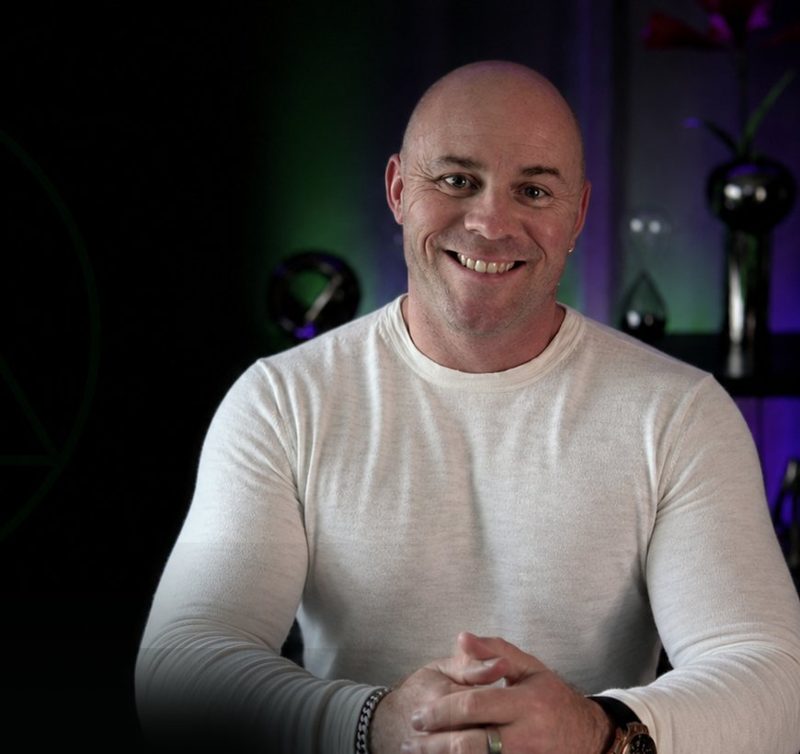
If you’ve tried to talk yourself out of this fear and it hasn’t worked, that isn’t a lack of willpower. A phobia is an alarm your mind learned, and logic alone rarely switches it off.
When a fear is less common, it can be harder to explain, so you may not have told many people about it. I work one to one over Zoom with people whose fears are holding them back, including rarer ones like this, and every plan starts with understanding what your fear is really about.
I’ve spent 17 years in clinical practice and helped more than 1,000 people with phobias. I hold a Postgraduate Certificate and a Postgraduate Diploma in Clinical Hypnotherapy, both with Distinction, and journalists and clients call me the Phobia Guru.
Common questions
Is geliophobia the same as fear of being laughed at?
Not exactly. Geliophobia refers to laughter in general, while gelotophobia is the specific fear of being laughed at or ridiculed. In practice the two often overlap, and it can help to notice which one feels closer to your own experience.
How can you help?
I use hypnotherapy and NLP to change how your mind responds to the thing you fear, so the old alarm stops going off. Sessions are one to one over Zoom, and you get a recording of the hypnosis to listen to afterwards.
How many sessions will I need?
Many clients notice a real difference after one 90 minute session. If the fear goes back a long way, three sessions gives us room to make the change stick.
Further reading: People with This Phobia Suffer from a Fear of Being Laughed at, Scientific American · Gelotophobia, McGill Office for Science and Society
Ready to start?
A short call is the simplest next step. We’ll talk about your fear, what you’d like to feel instead, and whether I’m the right person to help.
- Take the free test at the top of this page to see how strong your fear is.
- Book a 30 minute call. Use code PHOBIA at checkout for half price: £24.50 instead of £49 ($29.50 outside the UK).
- Start your sessions over Zoom from wherever you live, or face to face in Hertfordshire.
See all session options and prices