
Fear of learning (sophophobia)
Sophophobia is a fear of learning. It can look like putting off courses or training, freezing when faced with a new skill at work, or avoiding anything that might reveal what you do not know. Often it is less about learning itself and more about the fear of failing or being shown up.
Many people find that with the right help, a course or a new skill feels exciting rather than threatening.
Use code PHOBIA at checkout for half price: £24.50 instead of £49. Outside the UK? $29.50.
About this phobia
The name comes from the Greek sophia, meaning wisdom. It is rarely reported as a phobia and appears mostly on lists. It overlaps with fear of failure, sometimes called atychiphobia, and with test anxiety, and it can be shaped by difficult experiences at school.
How it shows up
Someone with this fear may keep putting off training, avoid new apps and tools, or freeze when shown something unfamiliar at work. It is often less about the subject and more about the dread of looking foolish or failing in front of others. Some people with this fear are very able but have learned to stick with what they already know, because it feels safer. It differs from simply not enjoying study, because the fear can block chances they actually want, such as a new job or a qualification.
Common triggers
- Starting a new course
- Exams and tests
- New systems at work
- Being corrected while learning
- Group training sessions
- Being asked questions on the spot
- Watching others pick things up quickly
Where it shows up
- Schools, colleges and universities
- Workplace training
- Driving lessons
- Evening classes
- Online courses
- Being shown something new by a colleague
Symptoms
In your body
- Racing heart
- Tension headaches
- Upset stomach
- Feeling flustered
- Sweaty palms
In your mind
- Fear of failing
- Feeling not clever enough
- Mind going blank
- Expecting to be found out
What you might do
- Putting off signing up
- Dropping out of courses
- Not asking questions
- Copying others instead of trying
What may cause it
This fear is rarely studied under its own name. It often grows from difficult school years, harsh teachers or parents, learning differences that were never spotted, or a strong fear of failure. Test anxiety, which is well researched, shares many of the same features, such as a racing mind and going blank under pressure. Each time learning is avoided, confidence can slip a little further and the next step feels bigger.
How it can affect your life
It can limit career progress, new skills and hobbies. People may feel stuck or left behind as work and technology move on. It can also affect self-worth, with some people deciding they are simply not clever when the real problem is fear.
Related fears
- Fear of failure (atychiphobia)
- Test anxiety
- Fear of school (didaskaleinophobia)
- Fear of long words (sesquipedalophobia)
Things that can help day to day
- Start with a short, low-pressure course on something you enjoy
- Learn alongside a friend or colleague
- Treat mistakes as a normal part of learning
- Ask about support for learning differences such as dyslexia
When to get help
If fear of learning is holding you back at work or in life, talking therapy or hypnotherapy can help you rebuild confidence. A GP can also help if anxiety is affecting your mood.
Explore more unusual fears in the rare phobias A to Z, or browse the common phobias.
About me
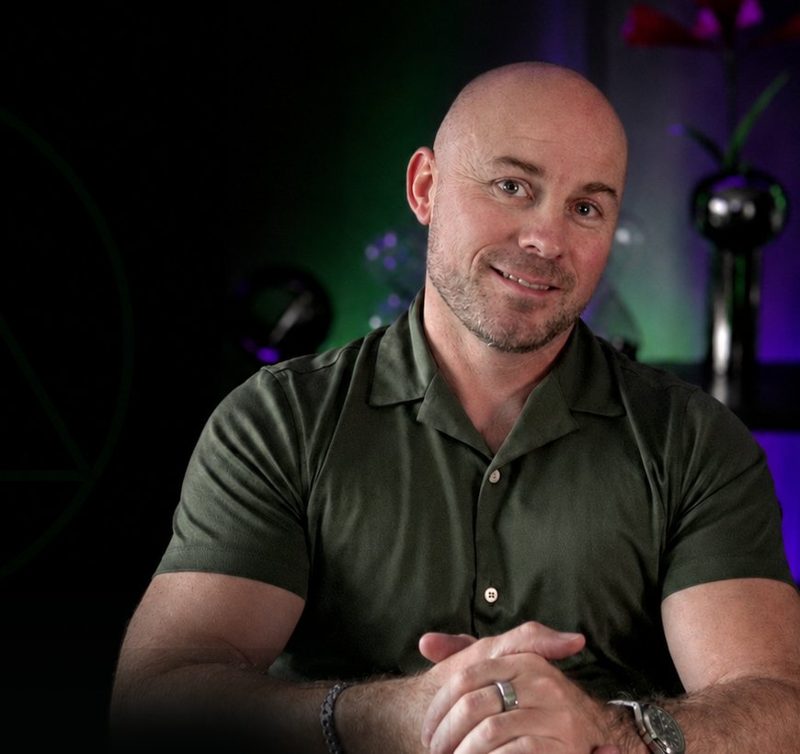
If you’ve tried to talk yourself out of this fear and it hasn’t worked, that isn’t a lack of willpower. A phobia is an alarm your mind learned, and logic alone rarely switches it off.
When a fear is less common, it can be harder to explain, so you may not have told many people about it. I work one to one over Zoom with people whose fears are holding them back, including rarer ones like this, and every plan starts with understanding what your fear is really about.
I’ve spent 17 years in clinical practice and helped more than 1,000 people with phobias. I hold a Postgraduate Certificate and a Postgraduate Diploma in Clinical Hypnotherapy, both with Distinction, and journalists and clients call me the Phobia Guru.
Common questions
Can a fear of learning start at school?
It often seems to. Being made to feel slow, embarrassed or criticised while learning can leave a lasting link between learning and shame. Unspotted difficulties such as dyslexia can play a part too, and these can be assessed at any age.
How can you help?
I use hypnotherapy and NLP to change how your mind responds to the thing you fear, so the old alarm stops going off. Sessions are one to one over Zoom, and you get a recording of the hypnosis to listen to afterwards.
How many sessions will I need?
Many clients notice a real difference after one 90 minute session. If the fear goes back a long way, three sessions gives us room to make the change stick.
Further reading: Cleveland Clinic: Atychiphobia (fear of failure) · Queensborough Community College: Test anxiety · NHS: Phobias
Ready to start?
A short call is the simplest next step. We’ll talk about your fear, what you’d like to feel instead, and whether I’m the right person to help.
- Take the free test at the top of this page to see how strong your fear is.
- Book a 30 minute call. Use code PHOBIA at checkout for half price: £24.50 instead of £49 ($29.50 outside the UK).
- Start your sessions over Zoom from wherever you live, or face to face in Hertfordshire.
See all session options and prices