
Fear of leprosy (leprophobia)
Leprophobia is a fear of leprosy, an infection that is now very rare in the UK. Someone with this fear may worry about skin marks, numb patches or contact with people who have travelled. Any skin changes or numbness are worth checking with a GP, who can look at them properly.
You can look after your health without the worry running your days. Many people find that with the right help, the checking eases.
Use code PHOBIA at checkout for half price: £24.50 instead of £49. Outside the UK? $29.50.
About this phobia
The name links to lepra, the Greek and Latin word for leprosy. The term is rarely reported, though worry about leprosy has a long history because of the stigma once attached to the illness. Today it sits within the broader picture of health anxiety and fear of infection.
How it shows up
Leprosy carries a weight of old stories and images, so for some people the word alone is enough to stir fear. Someone with leprophobia may scan their skin for pale patches, test fingers and toes for feeling, or feel uneasy around anyone who has been abroad. The worry tends to return even after reassurance, which is what sets it apart from a normal passing concern. It often sits alongside a broader fear of catching something serious.
Common triggers
- Noticing a pale or dry patch of skin
- Pins and needles or a numb toe
- Old films or books about leprosy
- Meeting people back from countries where it still occurs
- Religious or historical stories about the illness
- Health news about rare infections
- Cuts or scrapes that seem slow to heal
Where it shows up
- In front of the mirror
- Museums or historical sites
- Busy airports and travel hubs
- Online health forums
- Doctors’ waiting rooms
- Bath or shower time
Symptoms
In your body
- Racing heart when checking skin
- Tension and restlessness
- Sweating
- Trouble sleeping
- Tingling or prickling skin from anxiety
In your mind
- Doubting reassurance from doctors
- Picturing disfigurement or being shunned
- Constant scanning of the body
- Fear of being cast out by others
What you might do
- Repeated skin checks
- Searching symptoms online
- Avoiding touching people or shared items
- Asking for tests or reassurance again and again
What may cause it
There is little research on a fear of leprosy specifically. Historically, the stigma and isolation linked to the illness made it one of the most dreaded conditions, and some of that dread lingers in books, films and religious stories. For many people the fear fits the wider pattern of health anxiety, where body sensations are read as signs of illness. Each check or reassurance brings brief comfort, but the doubt soon returns.
How it can affect your life
Repeated checking and online searching can eat into the day and raise anxiety further. Some people become wary of contact with others, which can strain friendships and family life. The worry can also take the joy out of travel, as trips abroad may bring days of checking afterwards.
Related fears
- Health anxiety
- Fear of germs and infection (mysophobia)
- Fear of skin disease (dermatosiophobia)
Things that can help day to day
- Agree a plan with your GP for any new skin change, then stick to it
- Limit body checks to a set time rather than all day
- Step away from online symptom searches
- Talk to someone you trust when the worry spikes
When to get help
Any new skin patch, numbness or change should be looked at by your GP. If the worry stays after you have been checked, a therapist experienced with health anxiety can help.
Explore more unusual fears in the rare phobias A to Z, or browse the common phobias.
About me
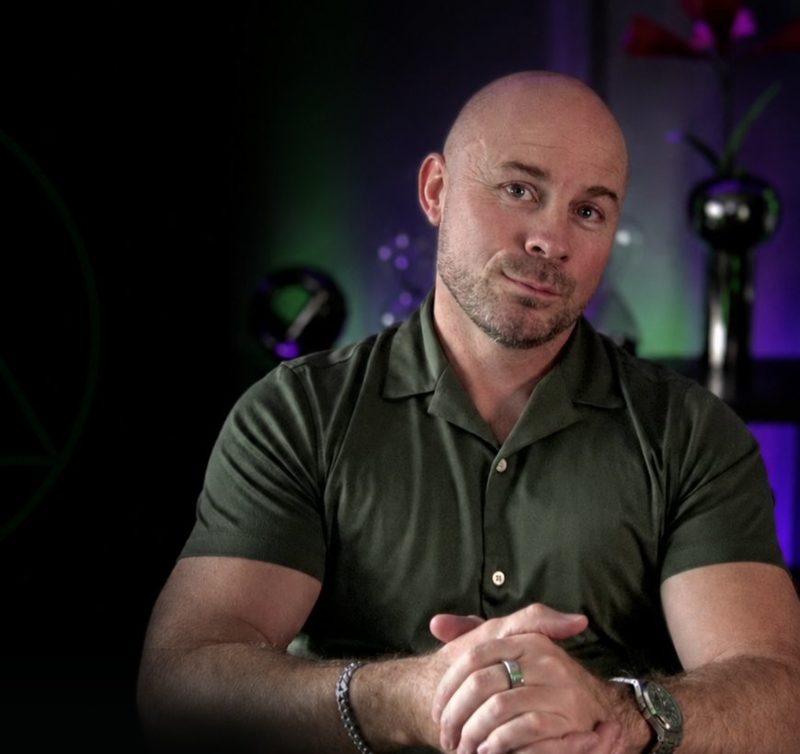
If you’ve tried to talk yourself out of this fear and it hasn’t worked, that isn’t a lack of willpower. A phobia is an alarm your mind learned, and logic alone rarely switches it off.
When a fear is less common, it can be harder to explain, so you may not have told many people about it. I work one to one over Zoom with people whose fears are holding them back, including rarer ones like this, and every plan starts with understanding what your fear is really about.
I’ve spent 17 years in clinical practice and helped more than 1,000 people with phobias. I hold a Postgraduate Certificate and a Postgraduate Diploma in Clinical Hypnotherapy, both with Distinction, and journalists and clients call me the Phobia Guru.
Common questions
How likely is it to catch leprosy in the UK?
Leprosy is very rare in the UK, does not spread easily, and can be treated with a course of medicine. Fear does not always follow the facts, though, so if the worry keeps coming back, talking it through can help. Any real symptoms should be checked by a GP.
How can you help?
I use hypnotherapy and NLP to change how your mind responds to the thing you fear, so the old alarm stops going off. Sessions are one to one over Zoom, and you get a recording of the hypnosis to listen to afterwards.
How many sessions will I need?
Many clients notice a real difference after one 90 minute session. If the fear goes back a long way, three sessions gives us room to make the change stick.
Further reading: World Health Organization: Leprosy · NHS: Health anxiety · NHS: Phobias
Ready to start?
A short call is the simplest next step. We’ll talk about your fear, what you’d like to feel instead, and whether I’m the right person to help.
- Take the free test at the top of this page to see how strong your fear is.
- Book a 30 minute call. Use code PHOBIA at checkout for half price: £24.50 instead of £49 ($29.50 outside the UK).
- Start your sessions over Zoom from wherever you live, or face to face in Hertfordshire.
See all session options and prices