
Fear of lice (pediculophobia)
En español: lee sobre este miedo en Fobias.org.
A letter home from school about head lice is often enough to set off pediculophobia, a fear of lice. It can lead to constant scalp checks, frequent hair washing or avoiding close contact with others. If you think you or your child has lice, a pharmacist or GP can advise on checking and treatment.
Many parents and children find that with the right help, a letter about head lice becomes a simple job to sort rather than a source of dread.
Use code PHOBIA at checkout for half price: £24.50 instead of £49. Outside the UK? $29.50.
About this phobia
The name comes from pediculus, the Latin word for louse. It is an understandable fear that sits within the wider group of fears about insects and parasites, though it is rarely written about on its own. It can be linked to parasitophobia and to a general disgust towards small crawling creatures.
How it shows up
Pediculophobia often flares up when lice are going round a school or nursery. A parent may spend every evening combing through hair, while an adult with the fear might feel their own scalp prickle just reading about lice. Head lice are common and have nothing to do with being dirty, yet the fear can feel much bigger than the problem. What sets it apart from ordinary dislike is how long the worry hangs on once the lice are gone.
Common triggers
- School messages about lice
- An itchy scalp
- Seeing a child scratch their head
- Sharing hats, brushes or pillows
- Close-up pictures of lice
- Head-to-head contact during play or selfies
Where it shows up
- School gates and nurseries
- Sleepovers and family visits
- Hairdressers
- Cinema and bus seats
- Bath and bedtime routines
- Shared dressing-up boxes and hats
Symptoms
In your body
- Scalp itching or tingling
- Shivers
- Restlessness
- Tight shoulders
- Goosebumps at the thought of crawling
In your mind
- Disgust at the thought of lice
- Constant scanning for signs
- Worry about what others will think
- Shame, even though lice are common
What you might do
- Checking hair again and again
- Washing hair or bedding very often
- Keeping children away from friends
- Avoiding hugs or shared seating
What may cause it
There is little research on a fear of lice by itself. It seems to grow from disgust, the urge to avoid things that spread, and from the stigma that sometimes surrounds lice. Having lice as a child, or dealing with an outbreak that kept coming back, can leave a lasting memory, along with a sense that lice are always just around the corner. Simply thinking about lice can make the scalp itch, which then feels like proof.
How it can affect your life
For parents, the fear can make school life stressful and limit children’s play dates and sleepovers. Adults may avoid close contact, haircuts or shared spaces, which can feel lonely. Some parents also feel guilt, even though lice say nothing about how well a child is looked after.
Related fears
- Fear of parasites (parasitophobia)
- Fear of insects (entomophobia)
- Fear of germs (mysophobia)
- Fear of itching or mites (acarophobia)
Things that can help day to day
- Pick one regular day to check with a fine-tooth comb rather than checking daily
- Remind yourself that lice are common and not a sign of poor hygiene
- When your scalp itches, wait and distract yourself before checking
- Give each family member their own brush and hair ties
When to get help
A pharmacist or GP can confirm whether lice are actually there. If the fear stays strong after lice have gone, or checking is taking over your day, speak to your GP.
Explore more unusual fears in the rare phobias A to Z, or browse the common phobias.
About me
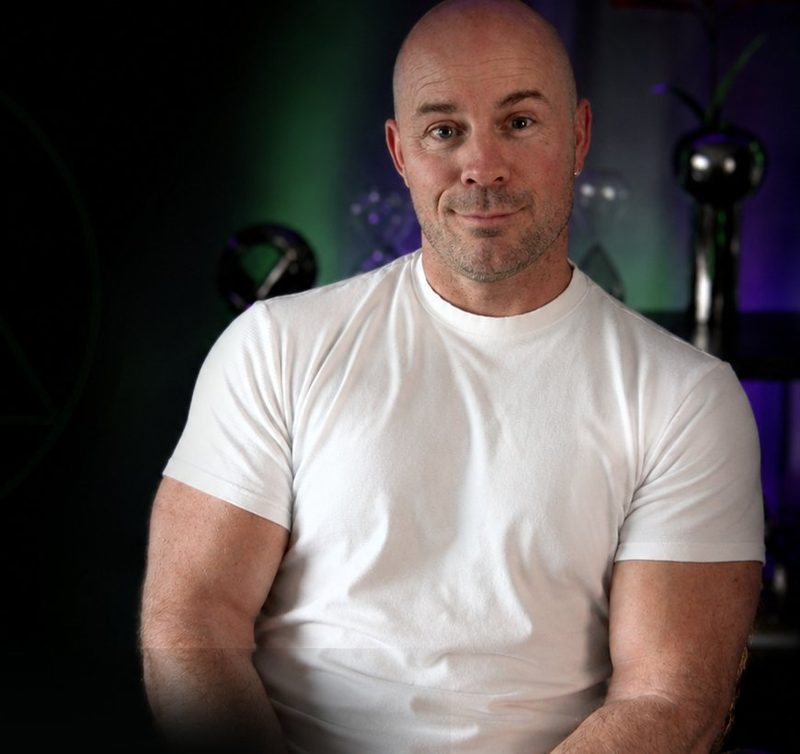
If you’ve tried to talk yourself out of this fear and it hasn’t worked, that isn’t a lack of willpower. A phobia is an alarm your mind learned, and logic alone rarely switches it off.
When a fear is less common, it can be harder to explain, so you may not have told many people about it. I work one to one over Zoom with people whose fears are holding them back, including rarer ones like this, and every plan starts with understanding what your fear is really about.
I’ve spent 17 years in clinical practice and helped more than 1,000 people with phobias. I hold a Postgraduate Certificate and a Postgraduate Diploma in Clinical Hypnotherapy, both with Distinction, and journalists and clients call me the Phobia Guru.
Common questions
Can just thinking about lice make your head itch?
Yes, many people notice their scalp itching when lice come up, even with no lice present. This is a normal reaction to attention and suggestion. If the itching or worry goes on, a check with a fine comb or advice from a pharmacist can settle the question.
How can you help?
I use hypnotherapy and NLP to change how your mind responds to the thing you fear, so the old alarm stops going off. Sessions are one to one over Zoom, and you get a recording of the hypnosis to listen to afterwards.
How many sessions will I need?
Many clients notice a real difference after one 90 minute session. If the fear goes back a long way, three sessions gives us room to make the change stick.
Further reading: NHS: Head lice and nits · Cleveland Clinic: Entomophobia (fear of insects) · NHS: Phobias
Ready to start?
A short call is the simplest next step. We’ll talk about your fear, what you’d like to feel instead, and whether I’m the right person to help.
- Take the free test at the top of this page to see how strong your fear is.
- Book a 30 minute call. Use code PHOBIA at checkout for half price: £24.50 instead of £49 ($29.50 outside the UK).
- Start your sessions over Zoom from wherever you live, or face to face in Hertfordshire.
See all session options and prices