
Fear of long words (sesquipedalophobia)
Sesquipedalophobia is a fear of long words. It may show up as anxiety about reading aloud, freezing when faced with technical jargon, or avoiding words you are not sure how to pronounce. For some it ties in with worries about being judged, or with past struggles at school.
About this phobia
The name comes from the Latin sesquipedalis, meaning a foot and a half long, a phrase the poet Horace used about long words. It is the more plausible of the names given to this fear, while the much longer hippopotomonstrosesquippedaliophobia is mostly a joke. Both are rare, and neither is a recognised clinical diagnosis.
How it shows up
Someone with this fear may freeze when they reach a long word in a book, a meeting or an email, sure they will say it wrong. They may dodge reading aloud, avoid saying certain names or feel panic over technical terms at work, even when they know exactly what the words mean. The name itself is often joked about, but the feeling behind it is real for people who have struggled with reading or been teased. It goes beyond simple dislike because it leads to missing chances to speak, study or move forward at work.
Common triggers
- Reading aloud in class or meetings
- Technical or medical jargon
- Unfamiliar names to pronounce
- Spelling tests
- Forms and official letters
- Being handed a passage to read
- Presentations full of jargon
Where it shows up
- Schools and colleges
- Work meetings
- Doctors’ and solicitors’ offices
- Book clubs
- Services with public readings
Symptoms
In your body
- Hot face
- Racing heart
- Dry mouth
- Shaky voice
- Mind going blank
In your mind
- Fear of being laughed at
- Feeling stupid
- Dread of mispronouncing
- Fear of being found out
What you might do
- Avoiding reading aloud
- Swapping long words for short ones
- Skipping classes or meetings
- Nodding along without understanding
What may cause it
No research looks at this fear by name. It often links to reading difficulties such as dyslexia, teasing at school, or social anxiety about being judged. One embarrassing moment, such as stumbling over a word in front of the class, can grow into a lasting worry. Avoiding long words means never getting the chance to build confidence with them.
How it can affect your life
It can hold people back in study and work, especially in roles full of reports or jargon. It can also make medical, legal or money letters harder to deal with. Some people avoid hobbies such as quizzes, book clubs or drama for fear of being caught out.
Related fears
- Fear of public speaking (glossophobia)
- Fear of failure (atychiphobia)
- Social anxiety
- Fear of learning (sophophobia)
Things that can help day to day
- Break long words into small chunks and say each one slowly
- Use free online tools to hear how words are said
- Practise reading aloud alone or with someone you trust first
- Ask for letters and documents in plain English
When to get help
If reading or speaking is a real struggle, ask about a dyslexia assessment through your school, college or employer. A GP can help if anxiety is affecting your life more widely.
Explore more unusual fears in the rare phobias A to Z, or browse the common phobias.
About me
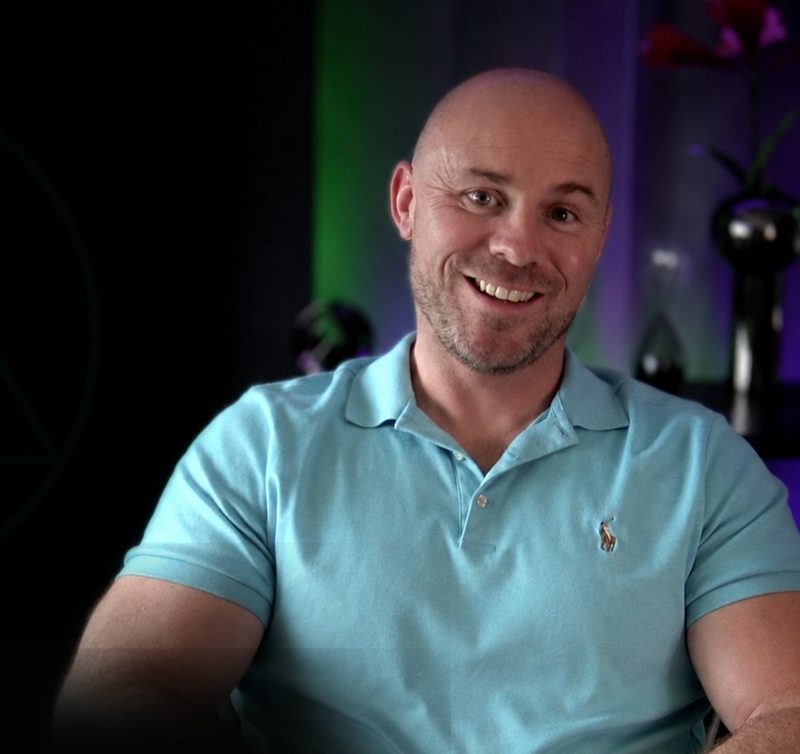
I am Adam Cox, a clinical hypnotherapist with more than 20 years of experience, and journalists and clients call me the Phobia Guru. I work one to one over Zoom with people whose fears are holding them back, including rarer ones like this. Every plan starts with understanding what your fear is really about.
Common questions
Why is the name for a fear of long words so long?
It is a well known irony, and the longest version was almost certainly made up as a joke. Sesquipedalophobia is the shorter and more sensible form. For anyone who really does feel anxious about long words, the fear is often linked to reading confidence or past embarrassment rather than the words themselves.
How can you help?
I use hypnotherapy and NLP to change how your mind responds to the thing you fear, so the old alarm stops going off. Sessions are one to one over Zoom, and you get a recording of the hypnosis to listen to afterwards.
How many sessions will I need?
Many clients notice a real difference after one 90 minute session. If the fear goes back a long way, three sessions gives us room to make the change stick.
Further reading: Cleveland Clinic: Atychiphobia (fear of failure) · NHS: Social anxiety · NHS: Phobias
Ready to start?
Book a £49 consultation call and we’ll talk through your fear, or take the free suitability test first.
See all session options and prices
Hypnosis downloads for this fear
Prefer to start on your own? This recorded session from my store is £9.99 and yours to keep.
